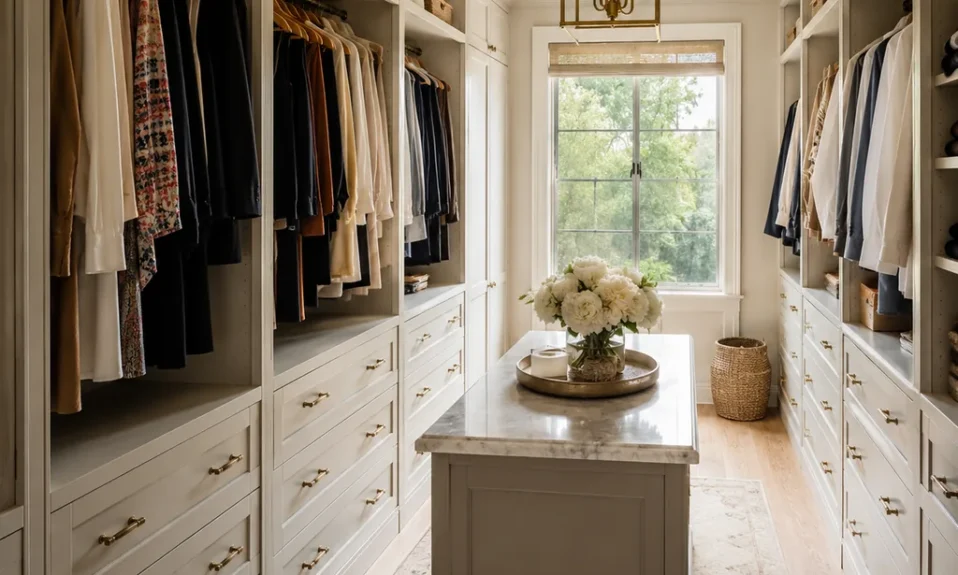
29 Closet Design Mistakes That Waste Space You Could Be Using
A closet feels larger when the storage matches the clothes, shoes, and habits of the person using it. These mistakes waste space that could be working every day.
29. Using One Long Hanging Rod
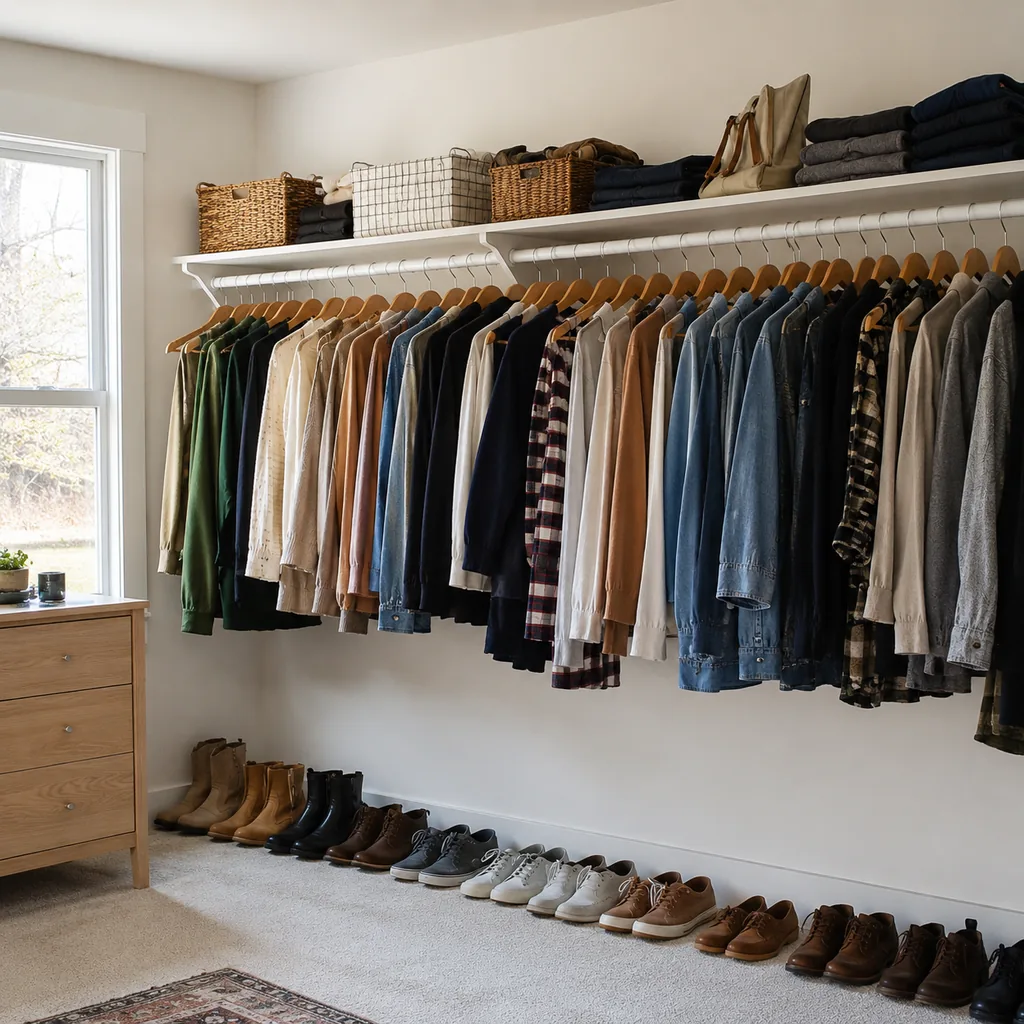
The issue: A single rod wastes the vertical space under shirts, jackets, and folded pants.
Use double hanging where clothes are short. Reserve long hanging only for dresses, coats, and long garments.
A quick audit is to group hangers by garment length before choosing rod heights or paying for any custom system.
28. Forgetting Drawer Storage

What changes: Shelves alone do not handle socks, underwear, workout clothes, and accessories well.
Check first: Add drawers, bins, or baskets for small items so they do not sprawl across shelves.
A shallow 4- to 6-inch drawer is often enough for small pieces and keeps whole bins from being dumped.
27. Making Shoe Shelves Too Shallow

The risk: Shoes vary widely in depth, especially men’s shoes, boots, and sneakers.
Measure the largest pairs before setting shelf depth. Angled shelves look nice but can waste vertical room.
Aim for at least 12 inches for flats and 14 inches for bulkier sneakers; boots need their own taller bay.
26. Ignoring Corner Access

The payoff: Closet corners often become dead zones.
How to judge it: Use one side for hanging and the other for shelves, or add a rotating or curved solution if the budget allows.
Before ordering shelves, stand in the corner and check whether your hand can actually reach the back.
25. Putting Everyday Items Too High

High shelves are useful for luggage and off-season items, not daily clothes.
Keep everyday pieces between shoulder and knee height. Store rare-use items above.
If you need a step stool every morning, the layout will annoy you in a weekday rush, especially after work, school, or errands with laundry in hand.
24. Skipping a Hamper Plan
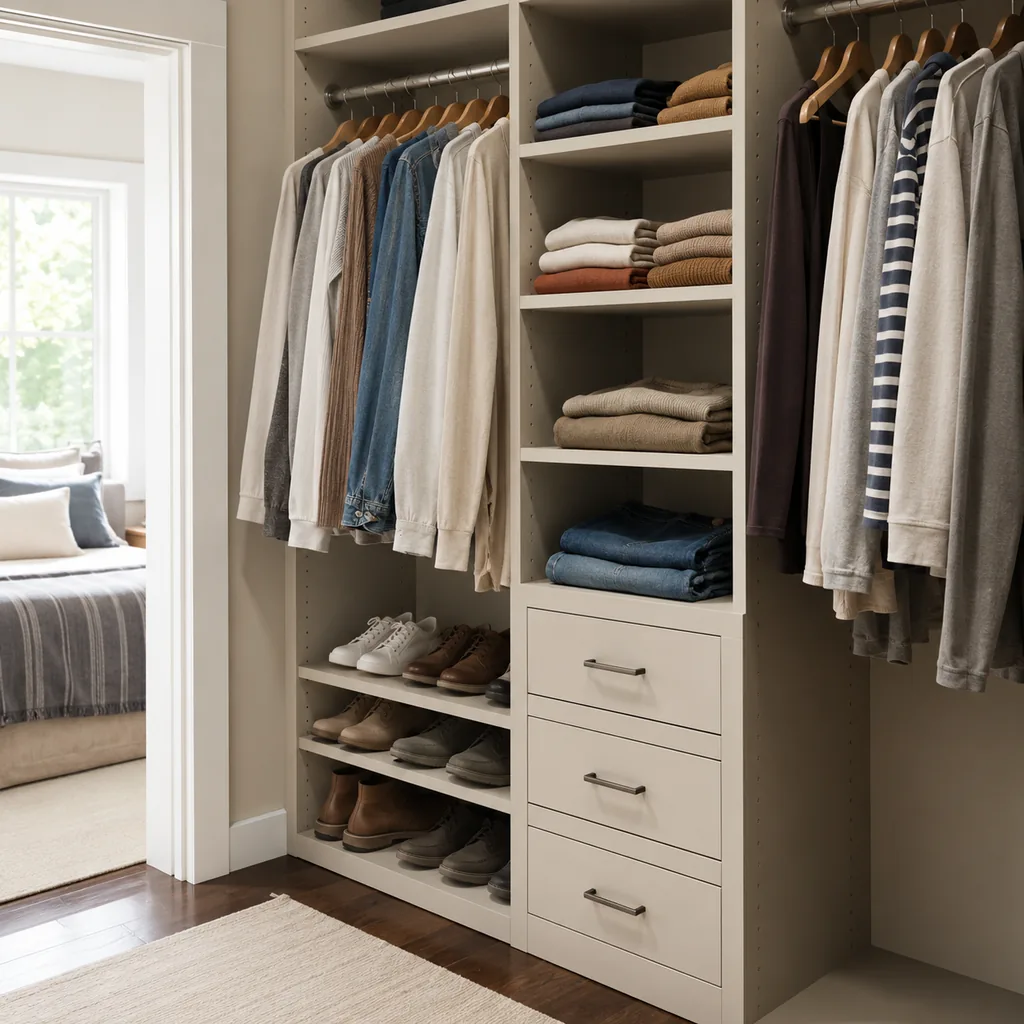
Where it helps: Dirty clothes need a place inside or near the closet.
Look for: Build in a hamper or leave floor space for one. Without it, the closet floor becomes the hamper.
A tilt-out or removable hamper works best near the clothes-change point, where it can be emptied without dragging laundry across the bedroom.
23. Using Shelves That Are Too Tall
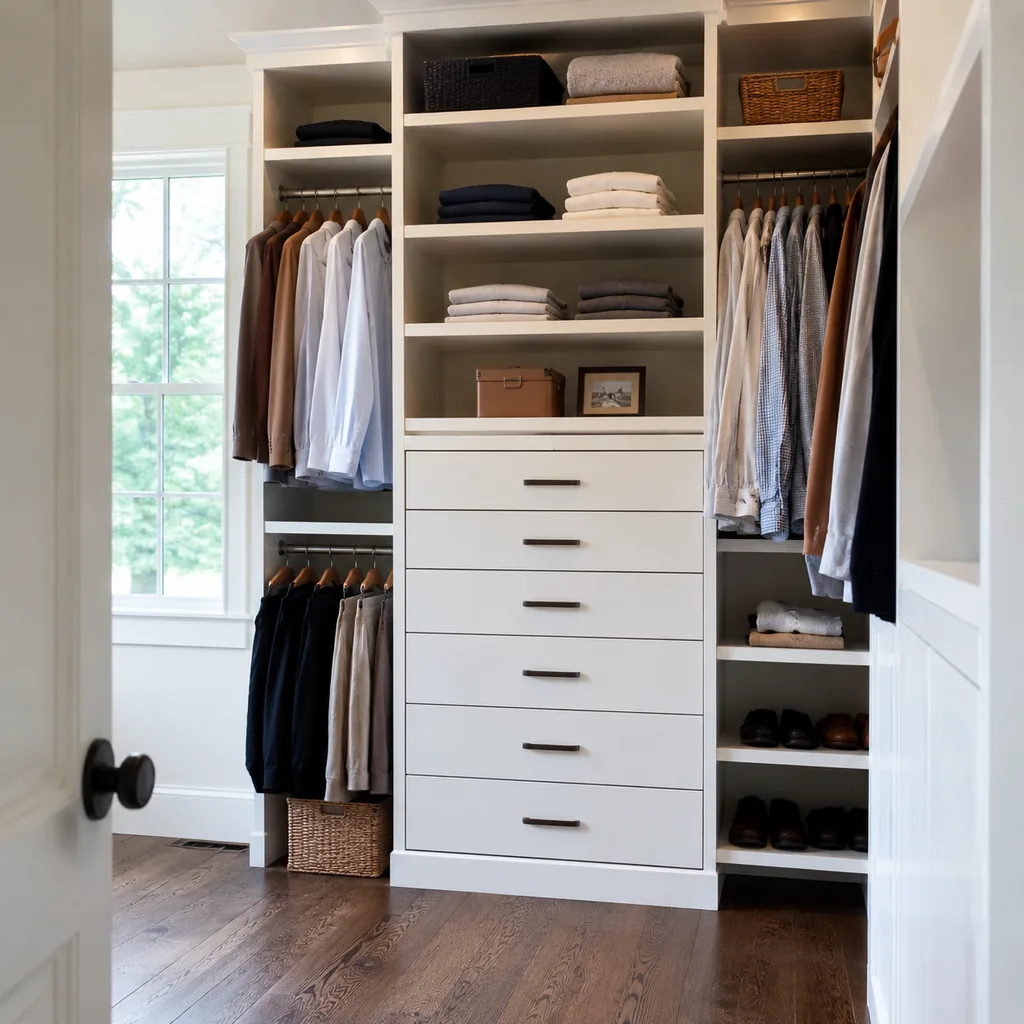
The hidden problem: Tall shelf gaps invite piles that topple.
Use closer shelf spacing for folded clothes. Most stacks are easier to manage when they stay low.
For folded shirts or sweaters, shorter shelf spans make it easier to pull one item without collapsing the stack or rebuilding the whole tower.
22. Forgetting Lighting Inside the Closet
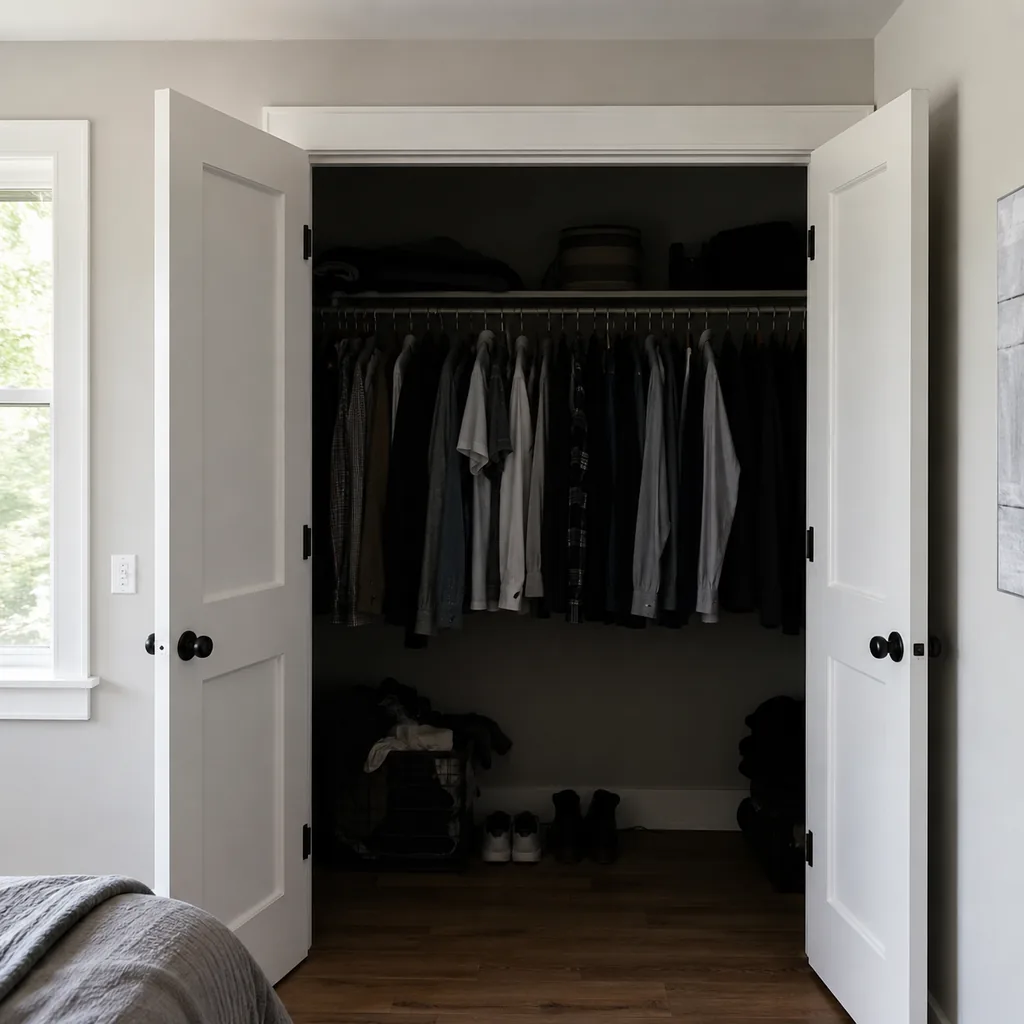
Why it matters: A dark closet makes colors, stains, and missing items harder to see.
Before you decide: Use bright LED lighting with good color rendering. Motion sensors are convenient in reach-in closets.
Check color rendering, not just brightness; a high-CRI LED makes navy, black, and stains easier to separate.
21. Not Planning for Full-Length Items

The issue: Even people who rarely wear dresses or coats usually have a few long garments.
Include at least one long-hang section. It does not need to dominate the closet.
Give dresses, coats, and robes a dedicated full-height bay before double rods take over the wall and hangers start dragging below.
20. Treating Both Sides of a Shared Closet the Same

Two people rarely have identical wardrobes.
Check first: Design each side around actual clothing counts, shoe counts, and accessories.
Split the space by inventory, not fairness. One person may need shoe shelves, another may need long hanging, and both sides still need a little open buffer for future purchases too.
19. Skipping Belt, Tie, and Jewelry Storage
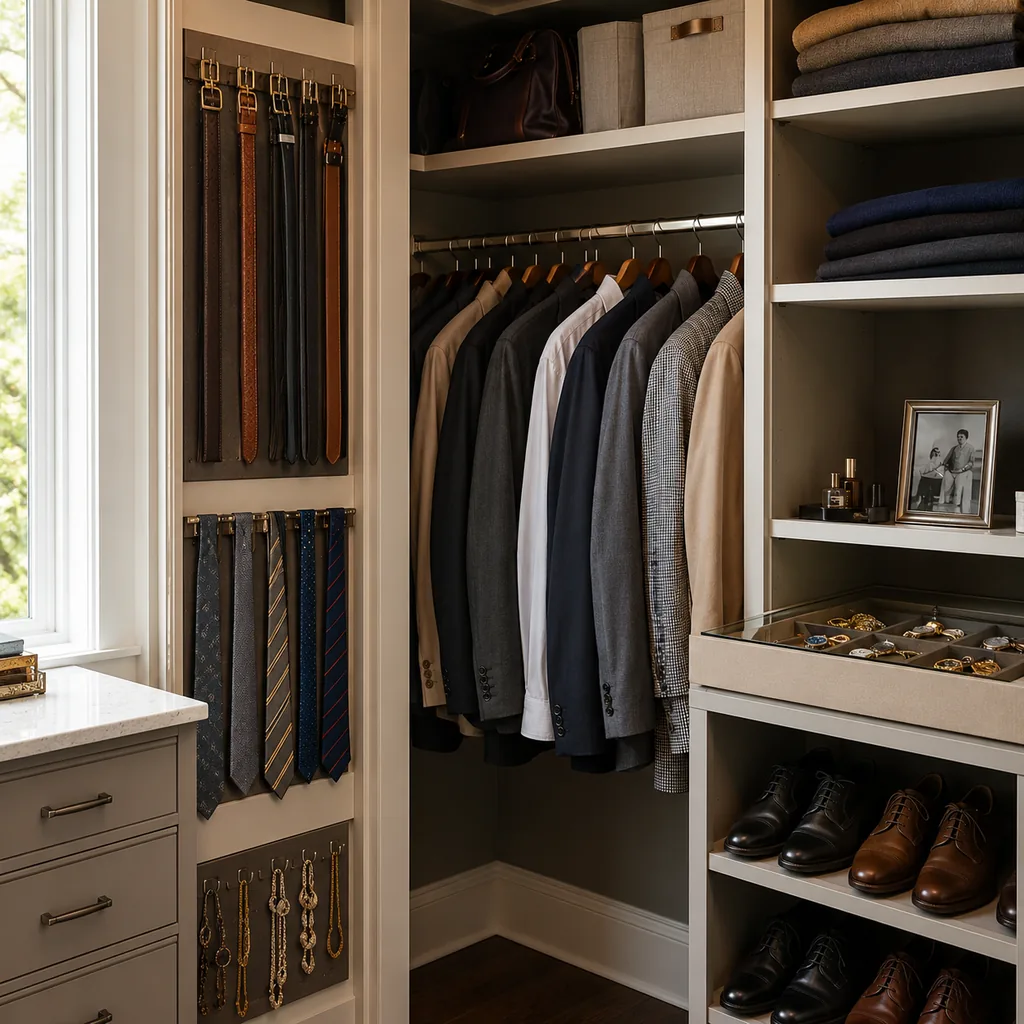
The risk: Small accessories waste drawers when they have no dedicated home.
Use shallow trays, hooks, pull-outs, or wall racks for small daily items.
Small accessories need shallow storage at eye level, because deep bins turn them into a weekly dig without saving prime shelf space near the outfits you wear.
18. Using Doors That Block Access
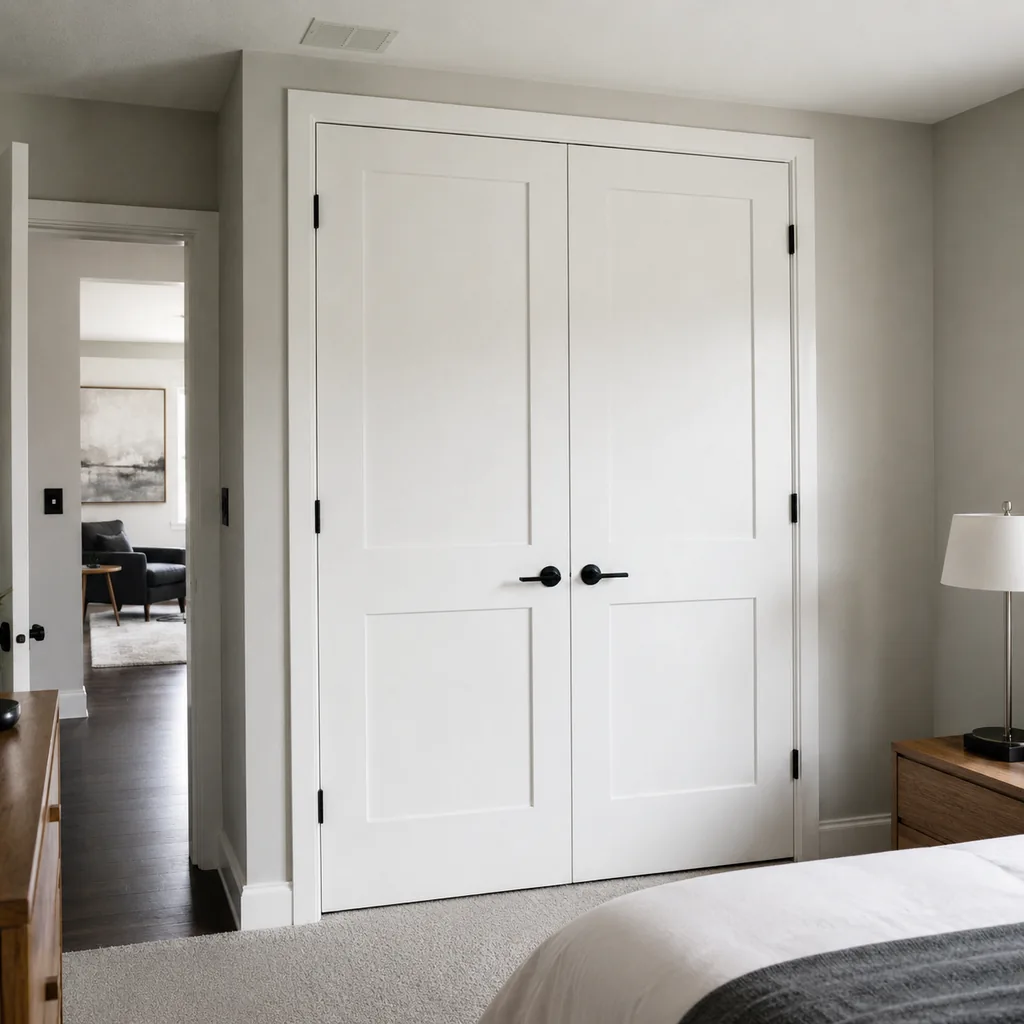
The payoff: Swing doors can hide one side of a reach-in closet.
How to judge it: Consider bypass, bifold, pocket, or better swing direction if access is poor.
Door swing matters in tight halls too; the same clearance logic shows up in entryway mistakes that make a home feel messy.
17. Forgetting Luggage
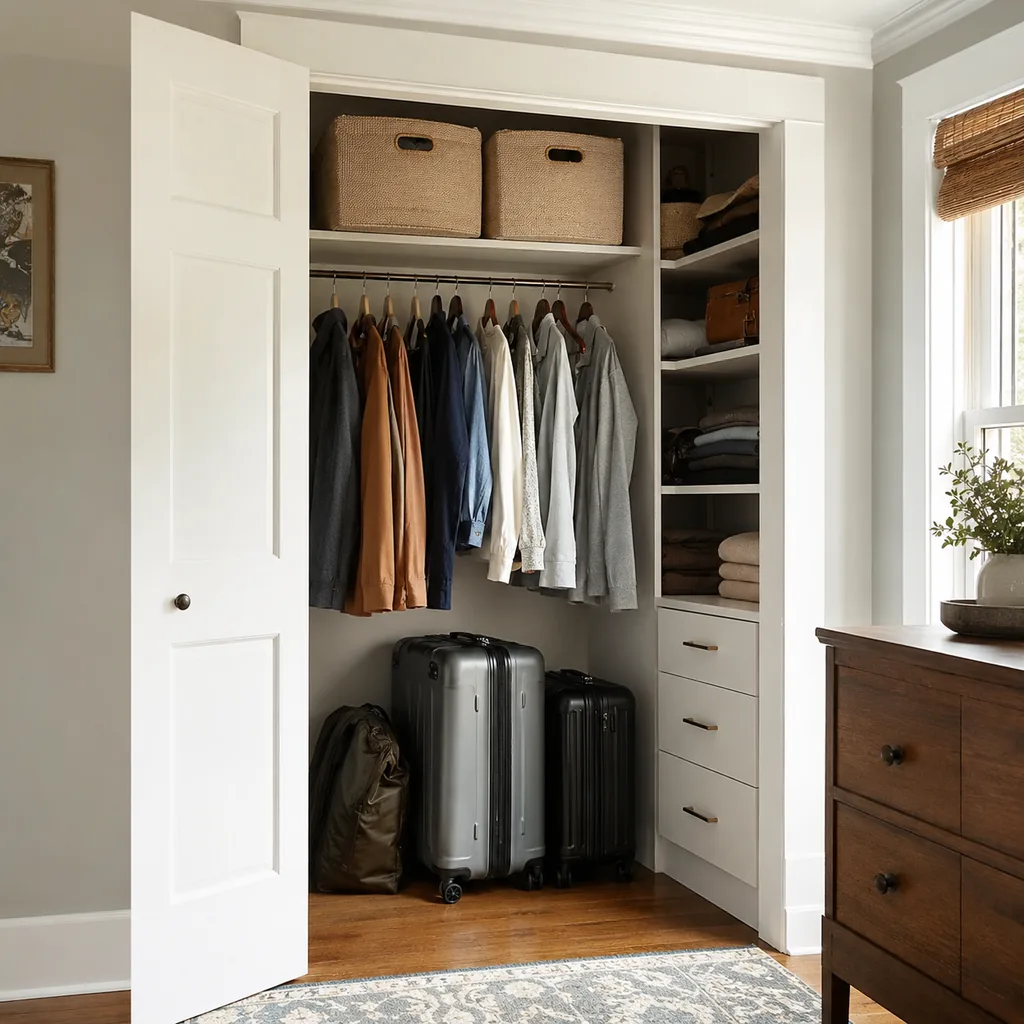
Quick read: Suitcases are bulky and often end up blocking shelves.
Reserve high shelves or another storage zone for luggage before the closet is built.
Measure suitcases open and closed so the shelf does not block the rod, force luggage onto the floor, or hide the biggest bag without a ladder.
16. Not Counting Shoes Honestly

Where it helps: Closet plans often underestimate shoes by half.
Look for: Count the actual pairs that will stay. Add room for seasonal and special-use shoes.
Count by type before designing: daily shoes, workout shoes, boots, dress shoes, and off-season pairs all take different shelf heights, not just shelf width.
15. Choosing Pretty Bins Without Labels

Opaque bins can hide clutter and also hide what you need.
Label bins by category. Use clear bins only where visibility will not look messy.
Clear labels matter most on high shelves where you cannot see inside without pulling the bin down, especially when several bins look alike from the floor.
14. Ignoring Closet Depth

Why it matters: Some reach-in closets are too shallow for standard hangers.
Before you decide: Measure finished depth before choosing rods and doors. Shallow closets may need hooks or front-facing rods.
Most hanging clothes need about 24 inches of depth; shallow reach-ins may need smarter door, hanger, and shelf choices before anything is ordered.
13. Putting Drawers Behind Sliding Doors

The issue: A drawer blocked by a bypass door becomes annoying immediately.
Check drawer pull-out clearance with closet doors open in their real positions.
Test the drawer with the door open halfway. If it cannot extend fully, the door style is deciding how useful the storage really is day to day.
12. Skipping a Mirror

What changes: A closet used for dressing benefits from a mirror nearby.
Check first: Use the inside of a door or a nearby wall if floor space is limited.
A mirror needs light in front of you, which is why closet planning overlaps with lighting mistakes that make a home look older.
11. Forgetting Seasonal Rotation

The risk: Winter coats, summer shoes, and holiday clothes need a system.
Design one zone for off-season storage so everyday areas stay lean.
Keep one visible shelf or bin for current-season overflow, so rotation happens gradually instead of during one exhausting reset with fewer mystery piles when seasons change later.
10. Using Cheap Rods for Heavy Clothes
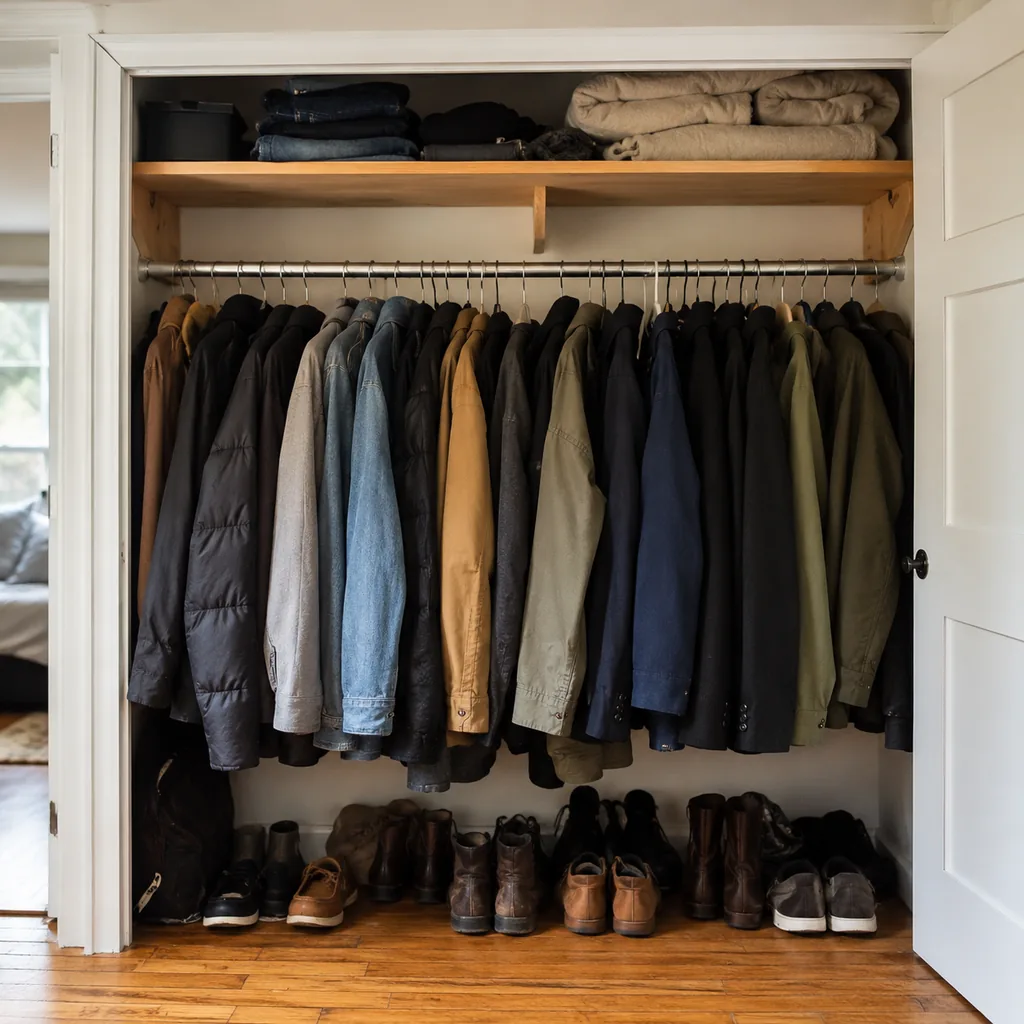
Coats, jeans, and crowded rods can sag weak hardware.
How to judge it: Use sturdy rods and proper support brackets. Closet failures are frustrating and avoidable.
Heavy coats and packed rods need metal supports anchored into studs or solid backing, especially in older closets that already carry too much weight.
9. Not Leaving Empty Space
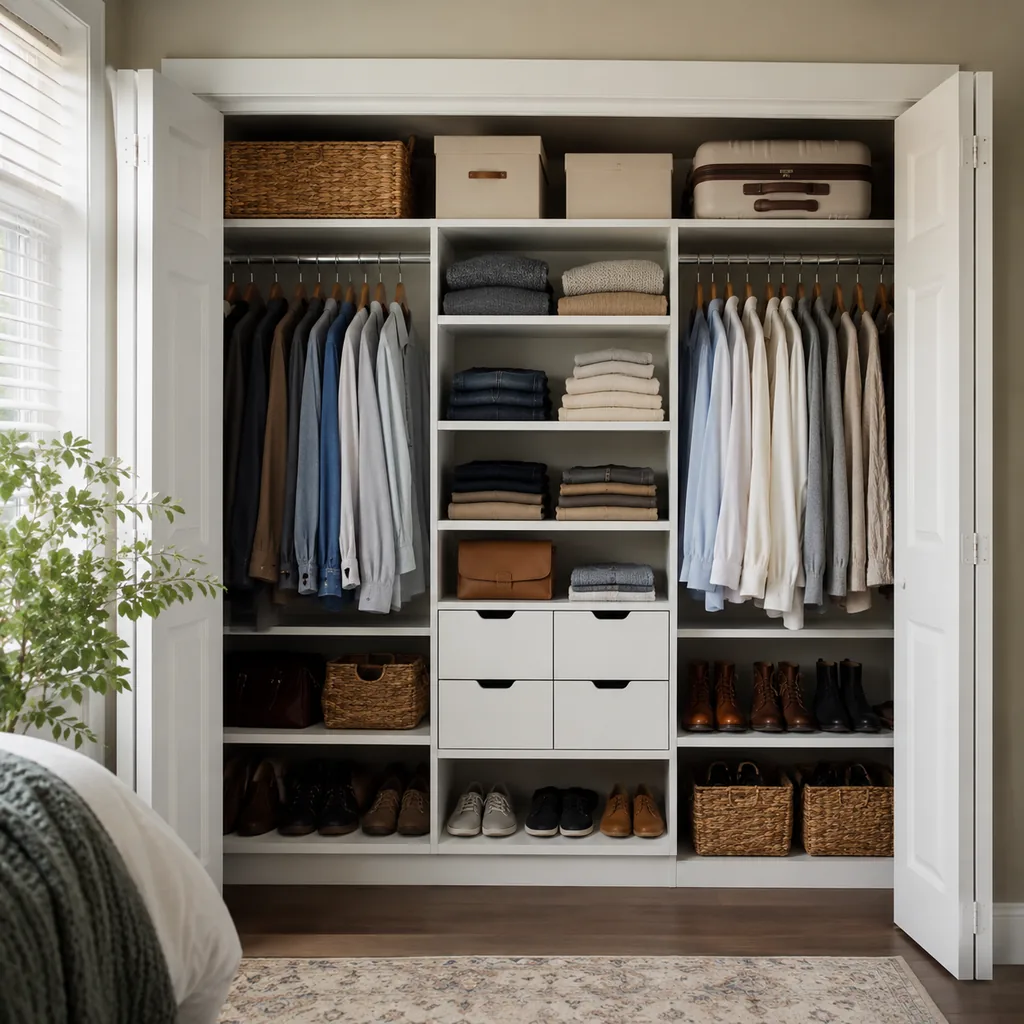
Quick read: A closet filled to 100 percent on install day has no room for life.
Leave some open capacity. A closet works better when clothes can move on the rod.
Leave a few inches of breathing room on each rod so hangers slide and clothes can dry after wear.
8. Storing Everything Folded

Where it helps: Some clothes wrinkle badly when stacked.
Look for: Use hanging, drawers, and shelves according to fabric and use, not just the photo of the closet system.
Deep drawers or shelves can still hold folded pieces, but dividers inside each bay are what stop stacks from turning into layers.
7. Forgetting Laundry Return Flow
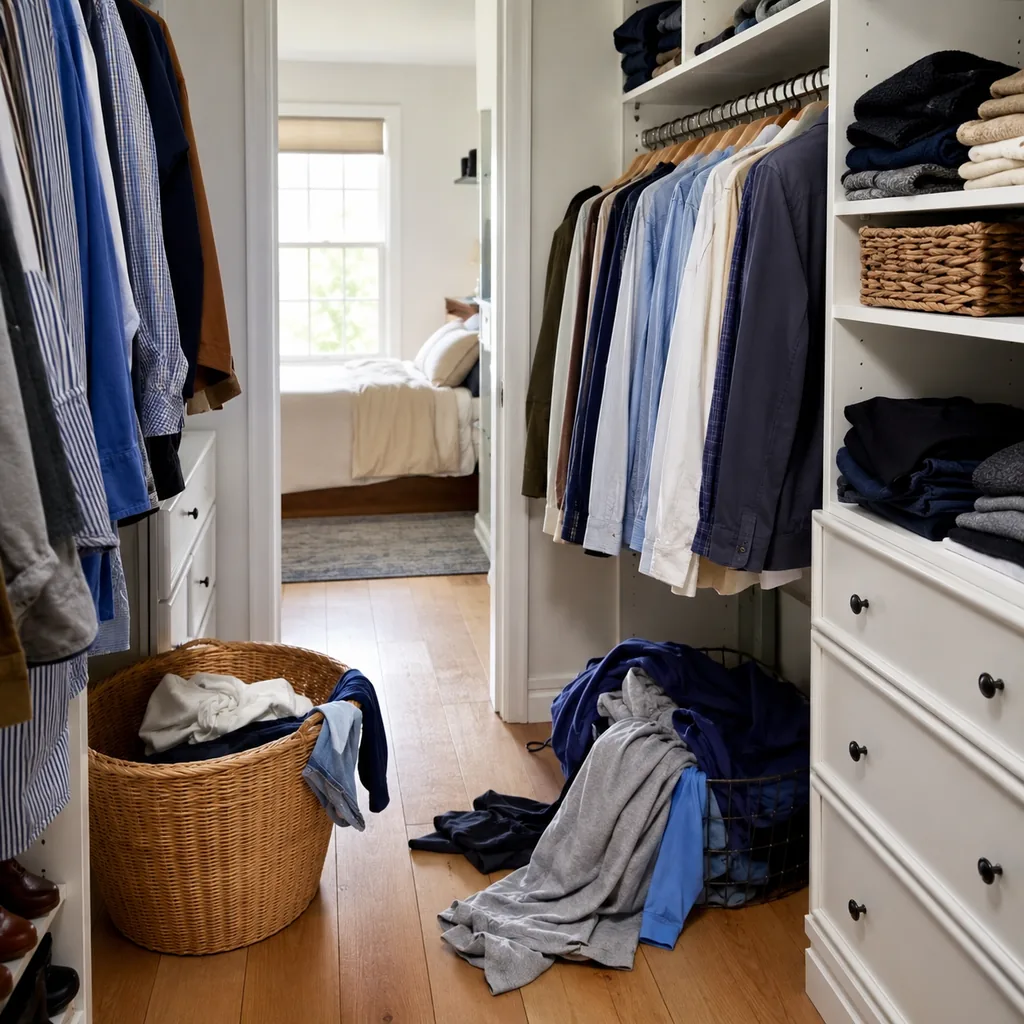
The hidden problem: Clean laundry needs to be put away quickly or piles return.
Place drawers and shelves where they are easy to load. A beautiful closet that slows laundry will not stay neat.
This is really a workflow issue; the same friction appears in laundry room mistakes that make the space harder to use when clean clothes have no landing zone.
6. Ignoring Outlet Needs

Why it matters: Steamers, charging drawers, lighted mirrors, or cordless vacuums may need power.
Before you decide: Add outlets only where safe and code-compliant, but consider them before walls and built-ins are finished.
Add an outlet only where cords can stay clear of hanging fabric, and ask the electrician about code and load.
Read More: 29 Home Office Mistakes That Make the Room Hard to Work In
5. Making Every Shelf Adjustable but Never Adjusting It

Adjustability helps only if the system starts with sensible heights.
Set the first layout around your actual clothes, then keep peg holes available for changes.
Mark the first shelf setup with painter’s tape for a week while the closet is still empty, then adjust before installing every peg permanently in place.
4. Using Too Many Specialty Organizers

What changes: Gadgets can waste space if they solve problems you do not have.
Check first: Buy specialty pull-outs after counting the items they will hold. Simple shelves and drawers often work better.
Pull-outs need clearance, weight capacity, and a real category of items; once hardware is included, fixed shelves often store more.
3. Ignoring Airflow

The risk: Packed closets can trap odors and moisture.
Avoid overfilling, keep damp items out, and consider ventilation if the closet shares a bathroom wall.
Airflow improves when shoes, gym bags, and damp laundry do not sit packed against every wall, especially in humid bedrooms or shared-wall closets near bathrooms too.
Read More: 29 Mudroom Mistakes That Create More Clutter Instead of Less
2. Letting Donation Items Stay Forever

The payoff: A closet design cannot overcome clothes that should leave the house.
How to judge it: Create a small donation bin or bag spot. Removing unused items is still the cheapest storage upgrade.
A permanent donation spot works best when it is small; if it overflows, it is time to empty it.
1. Designing for a Fantasy Wardrobe

Quick read: The best closet supports the life you actually live.
Plan around work clothes, weekend clothes, laundry habits, climate, and shoes you truly wear. That is where the extra space appears.
Make the Room Work Before It Looks Finished
Once the clearances, storage, lighting, and maintenance are right, the finishes have a much better chance of lasting.
Read More: 31 Walk-In Pantry Mistakes That Look Good Online but Annoy You Daily