
31 Lighting Mistakes That Make a Home Look Older and Smaller
Lighting changes how large, clean, warm, and updated a home feels. These mistakes make rooms look older and smaller than they really are.
31. Relying on One Ceiling Fixture
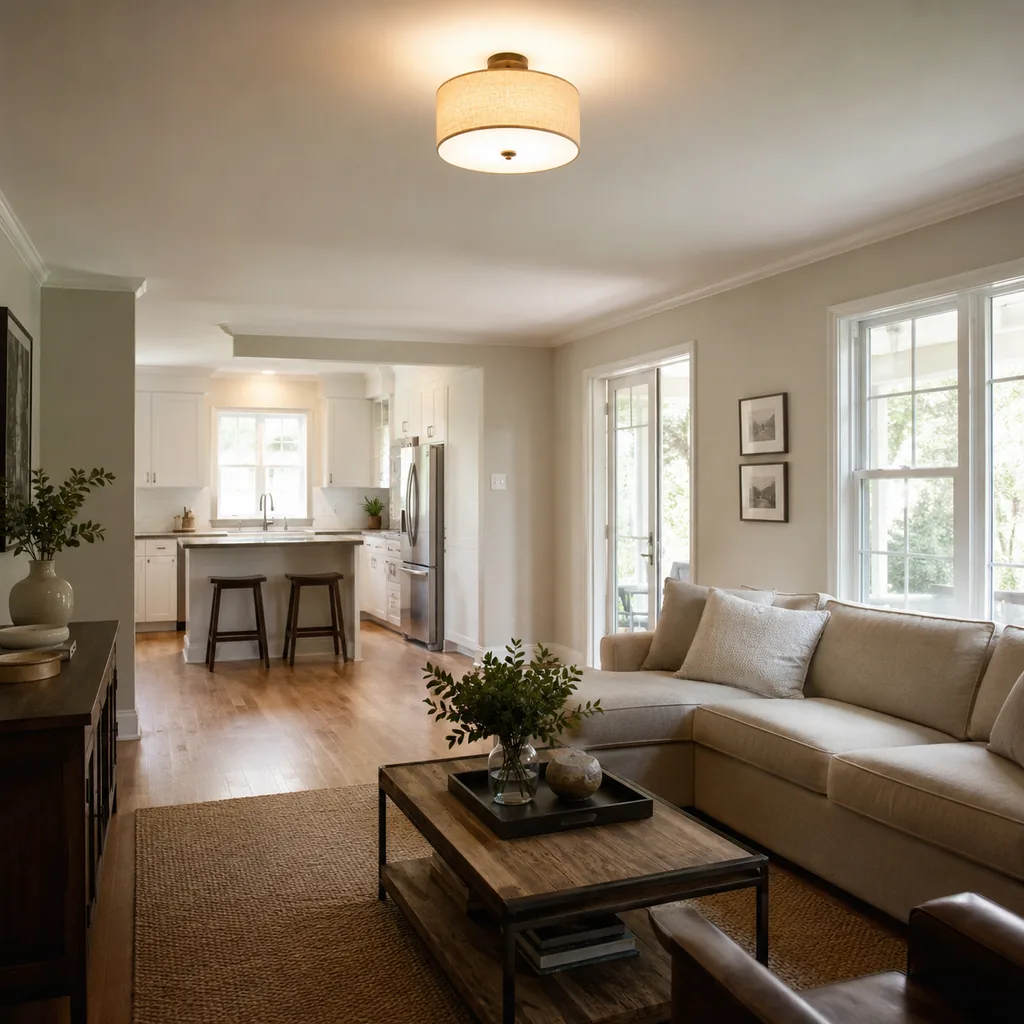
One ceiling fixture creates flat light, dark corners, and harsh shadows.
Layer ambient, task, and accent lighting so the room works for cooking, reading, cleaning, and relaxing.
A room feels larger when light reaches the places people actually use, not just the center of the ceiling. Put at least one layer on a separate switch or lamp control.
30. Using Bulbs With Mismatched Color Temperatures
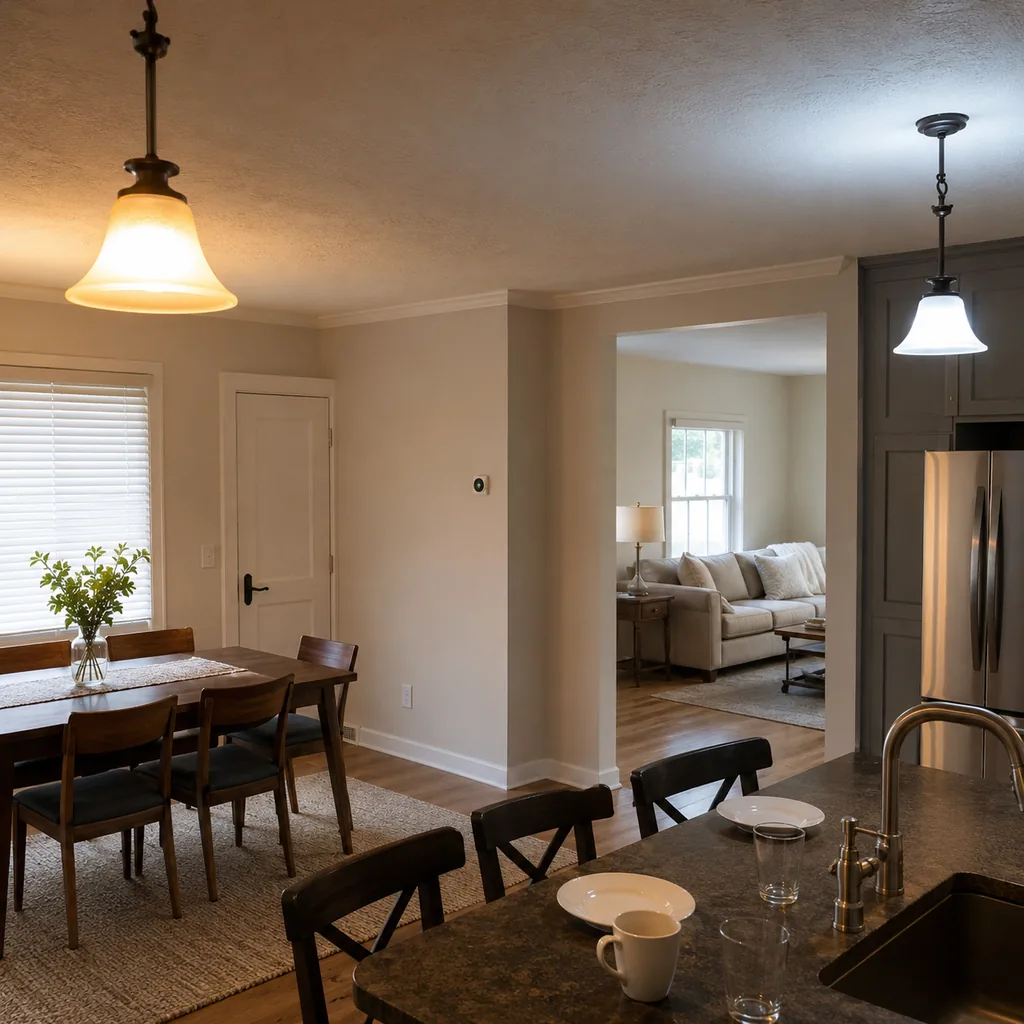
A room feels off when one lamp is yellow and another is icy blue.
Keep bulbs in the same general range within a room, especially when fixtures are visible together.
Many American homes feel best with warm white to soft neutral light, then brighter task light only where needed.
29. Forgetting Dimmers

Lighting needs change from cleaning to dinner to late evening.
Dimmers make ordinary rooms more flexible, but the bulb and dimmer have to be compatible.
Check the fixture rating before you buy, because flickering LEDs can make a simple upgrade feel cheap. Dining rooms, bedrooms, and living rooms usually benefit first.
28. Choosing Fixtures Too Small
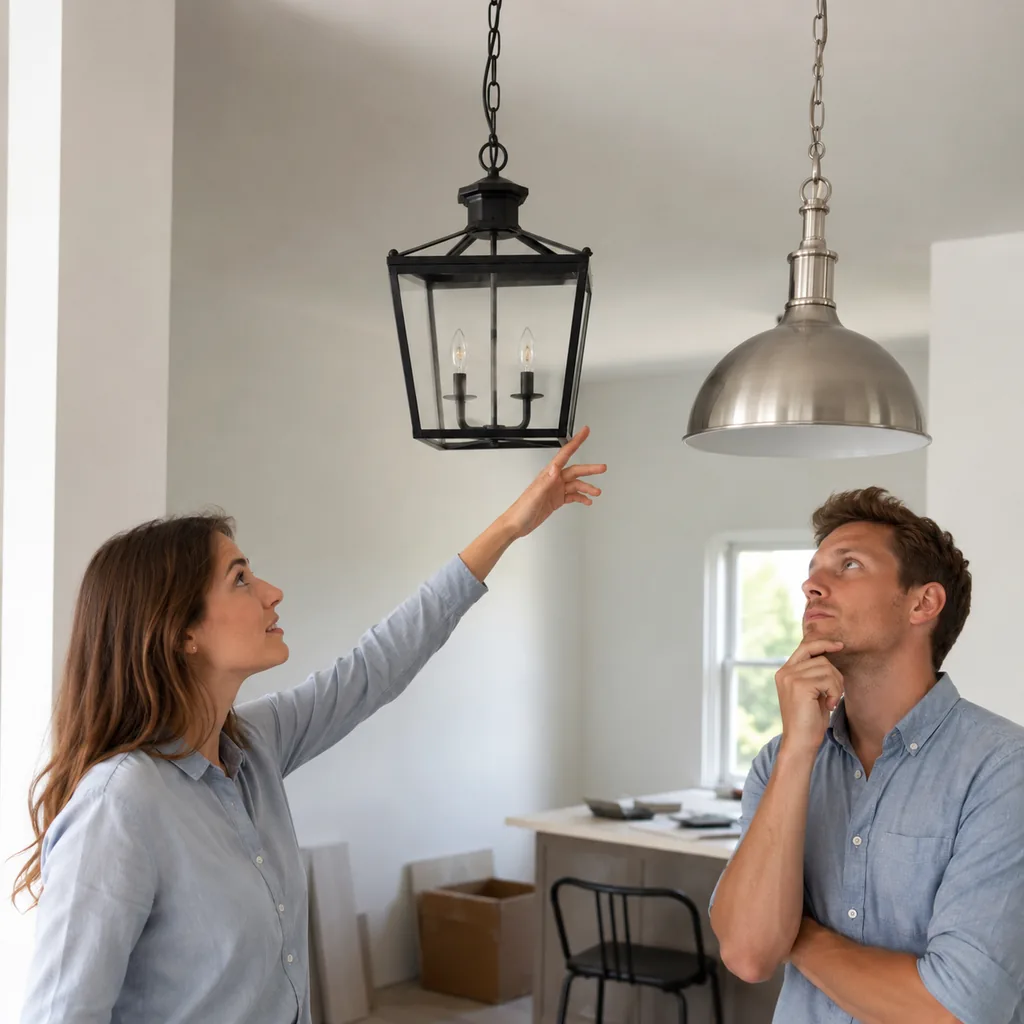
Undersized fixtures make a room feel unfinished.
Scale chandeliers, pendants, and flush mounts to the room and furniture, not just the ceiling box.
A fixture that looks large in the aisle can still disappear over a big dining table or tall foyer. Measure the room, then compare the diameter before ordering.
27. Using Recessed Lights as the Whole Plan
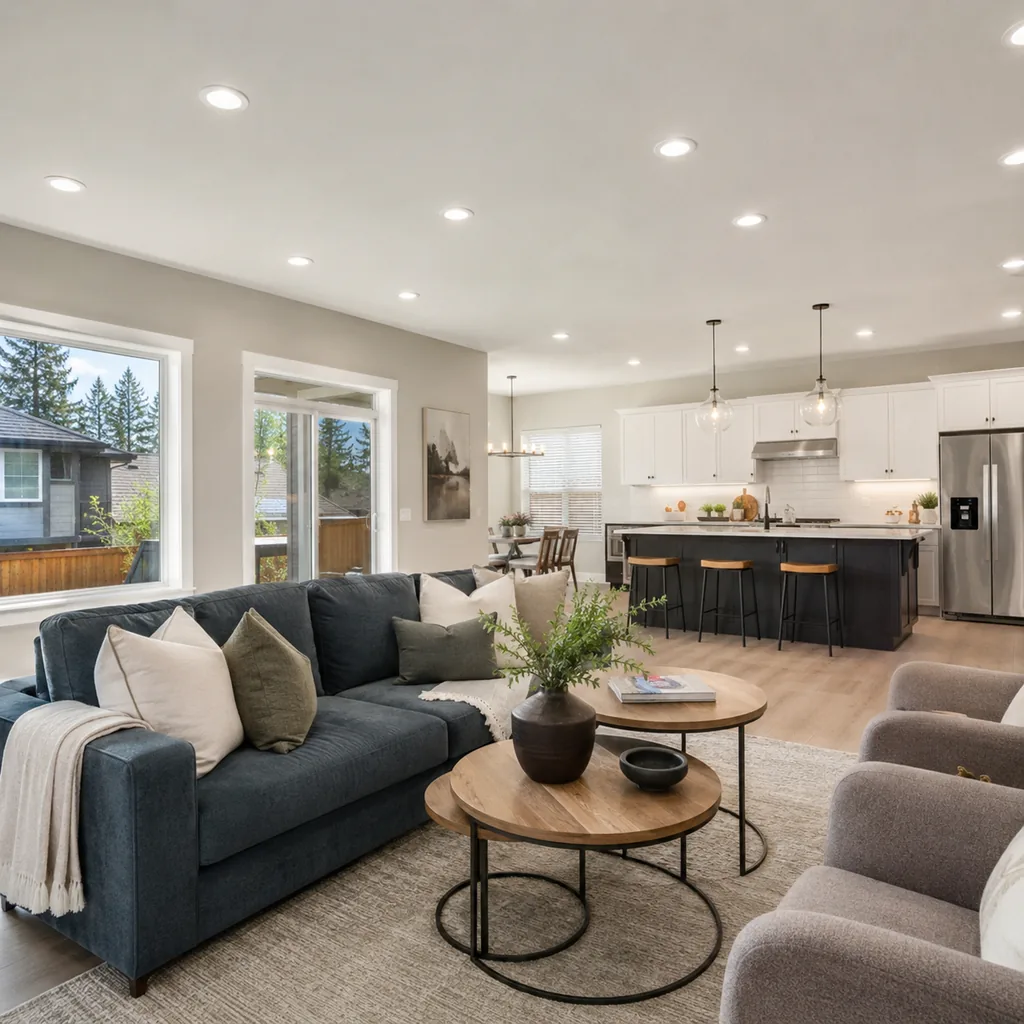
Rows of recessed cans can make a room feel like a hallway or basement.
Use them for general coverage, then add lamps, sconces, pendants, or picture lights for warmth and shape.
The mix is what keeps the room from looking flat at night. If the ceiling is already full of cans, use dimmers and lamps to soften the effect.
26. Skipping Under-Cabinet Kitchen Lighting
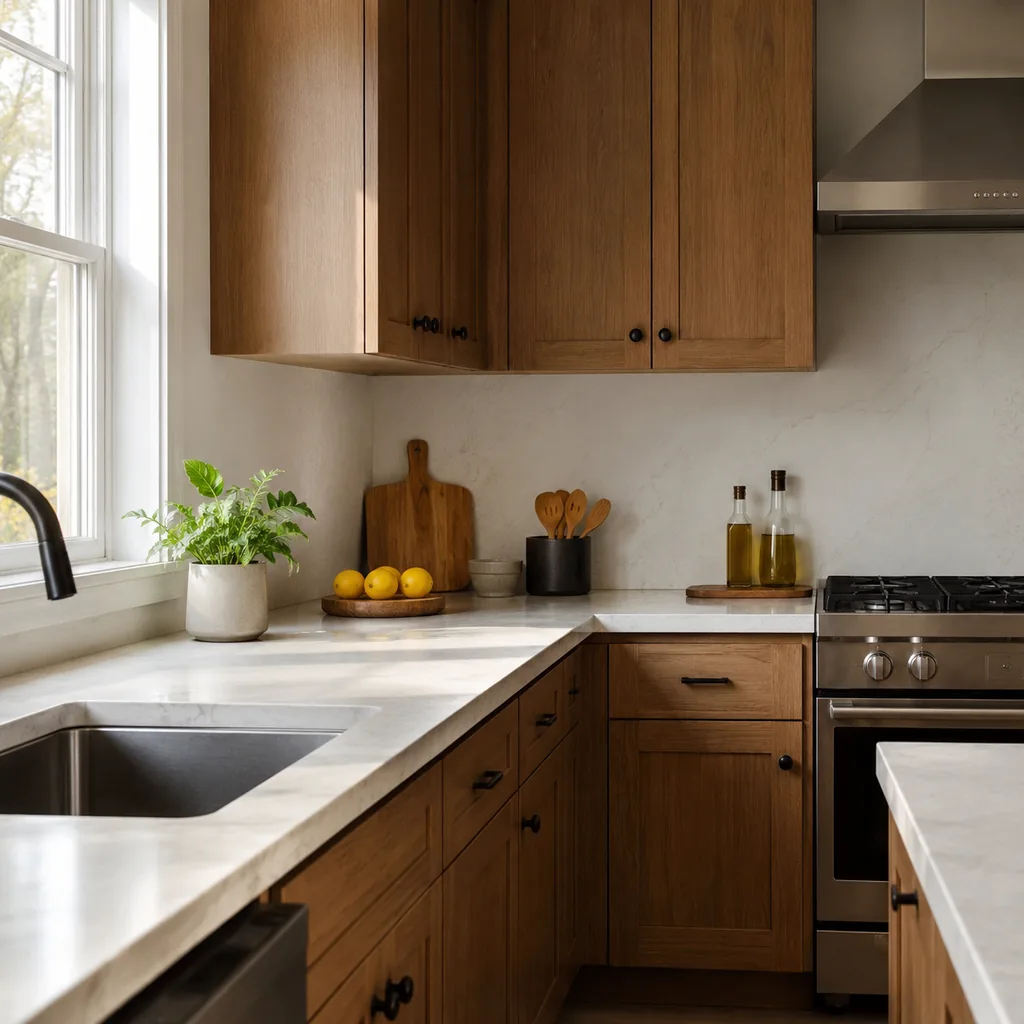
Kitchen counters need light where knives, recipes, and food prep happen.
Under-cabinet lighting reduces shadows from upper cabinets and makes the kitchen feel more finished.
Choose a color temperature that matches the rest of the room so the counter light does not look blue or green. Aim light toward the front of the counter where hands work.
25. Putting Pendants at the Wrong Height

Pendants that hang too high look disconnected; pendants that hang too low block sightlines.
Mock the height with tape or string before the electrician finalizes it.
Check it while standing, sitting, and walking around the island or table. Many islands work around 30 to 36 inches above the counter, then adjust for sightlines.
24. Ignoring Lamps in Living Rooms
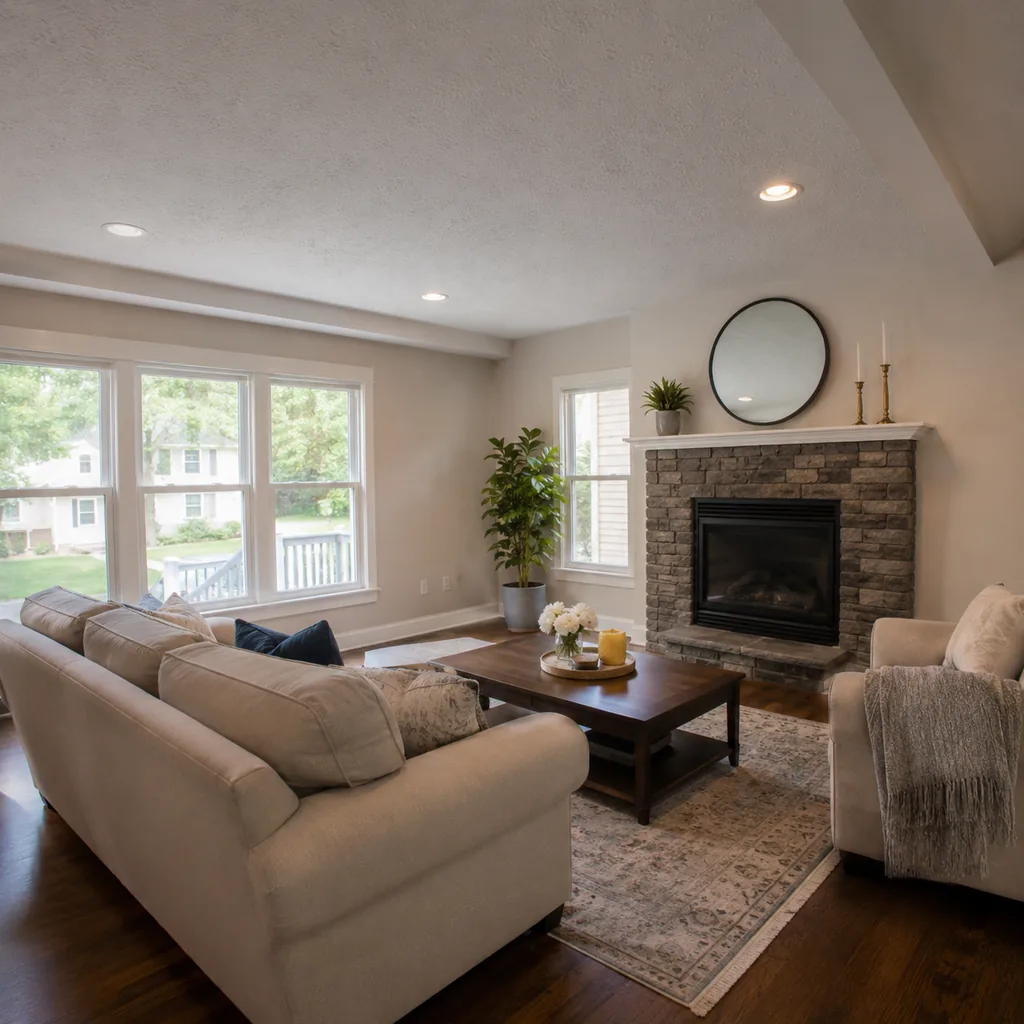
Living rooms need human-level light, not just ceiling light.
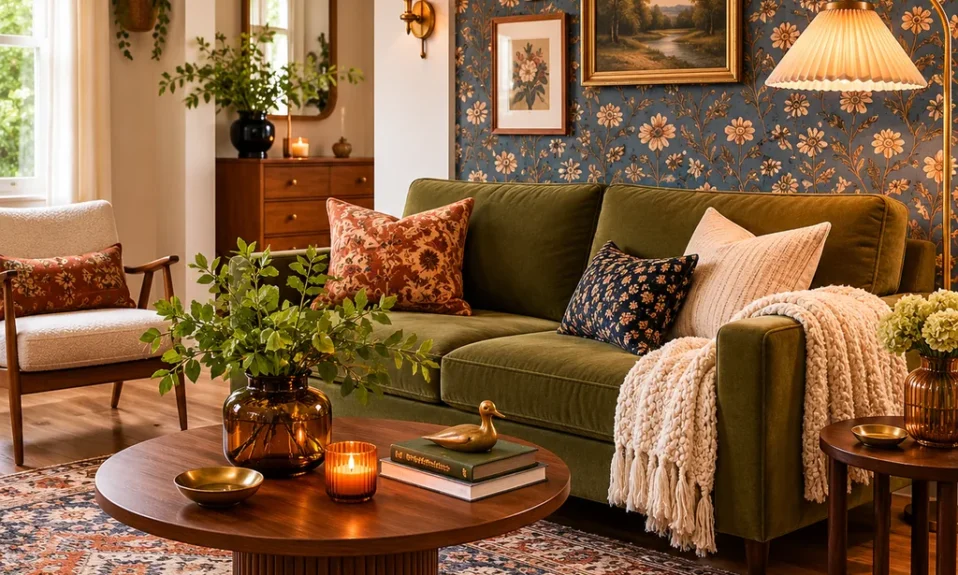
Place floor lamps and table lamps near seating so faces, books, and side tables are softly lit.
That lower layer often makes a room feel warmer and bigger than another overhead fixture would. Put lamps where people actually sit, not just where outlets happen to be.
23. Choosing Clear Glass Bulbs That Glare

Visible bulbs can be painful when fixtures sit at eye level.
Use frosted bulbs, shades, lower output, or a different fixture style where the bulb is exposed.
Good lighting should make the room easier to use, not make people squint across the table. This is especially important over dining tables, bathroom mirrors, and bedsides.
22. Forgetting Hallway Lighting

Dark hallways make a home feel older and narrower.
Use evenly spaced fixtures, sconces, or picture lights to pull the eye through the space.
The goal is even guidance, not one bright spot followed by a dark stretch. Motion sensors can help in pass-through halls, closets, and basement stairs.
21. Using Cool Light in Cozy Rooms

Cool bulbs can make bedrooms and living rooms feel sterile.
Use warmer light where relaxation matters and reserve cooler task light for desks, laundry rooms, or work zones.
If the paint suddenly looks gray or harsh at night, the bulb temperature may be the problem. Test one bulb in the actual room after sunset.
20. Not Lighting Corners

Dark corners visually shrink rooms.
Add a floor lamp, uplight, sconce, or small table lamp to corners that disappear at night.
This is one of the quickest ways to make a living room or bedroom feel more finished. Turn off the main light and see which corners vanish first.
19. Skipping Bathroom Vanity Lighting

One ceiling light casts shadows under the eyes and chin.
Use sconces or a wide vanity light near face height; if you are planning a bigger update, pair this with bathroom remodel mistakes that are expensive to fix later.
Good vanity light helps grooming and makes the whole room feel more current.
18. Using Decorative Fixtures With Weak Output

Some beautiful fixtures barely light the room.
Check lumens, shade opacity, bulb limits, and whether the light points up, down, or sideways.
A fixture can be decorative, but it still needs to do the job the room requires. Read the maximum bulb rating before falling for the shape.
17. Ignoring Natural Light Control
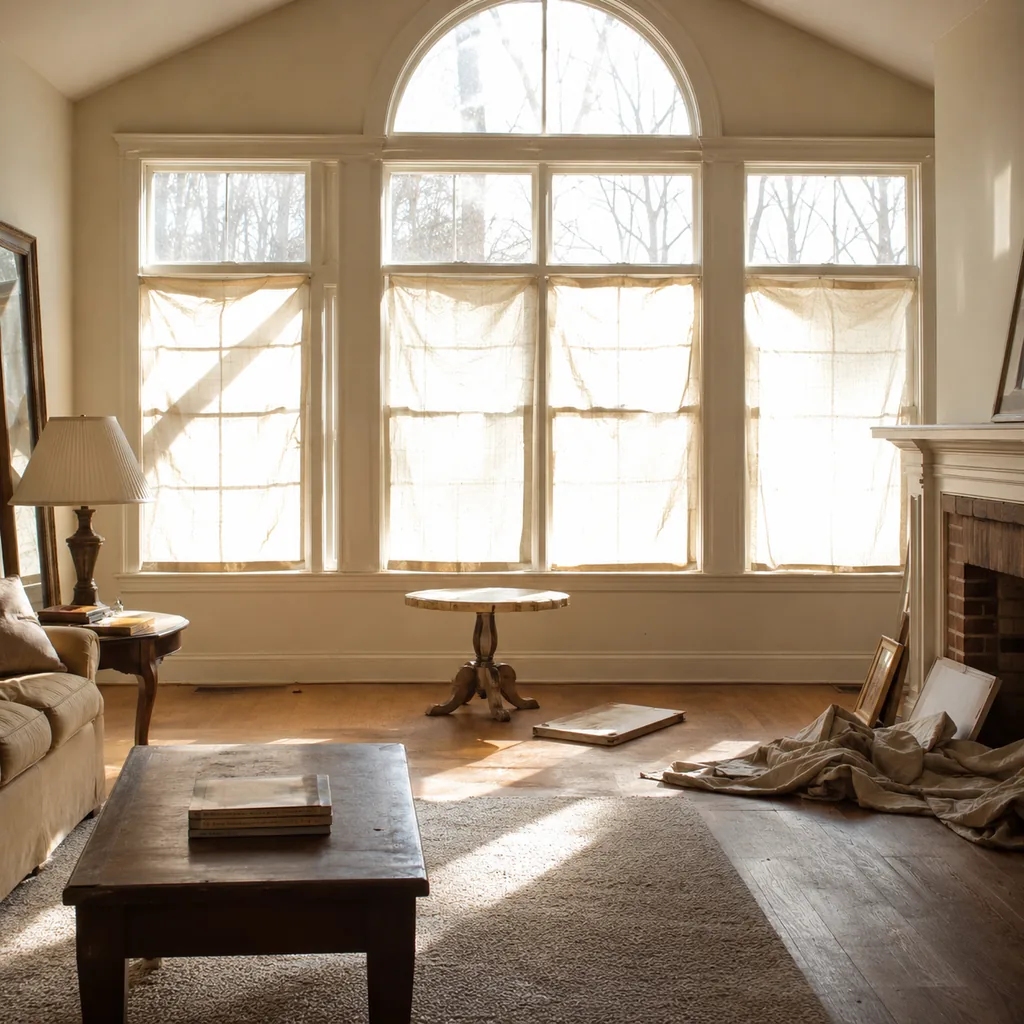
Windows need support from shades, curtains, and artificial light.
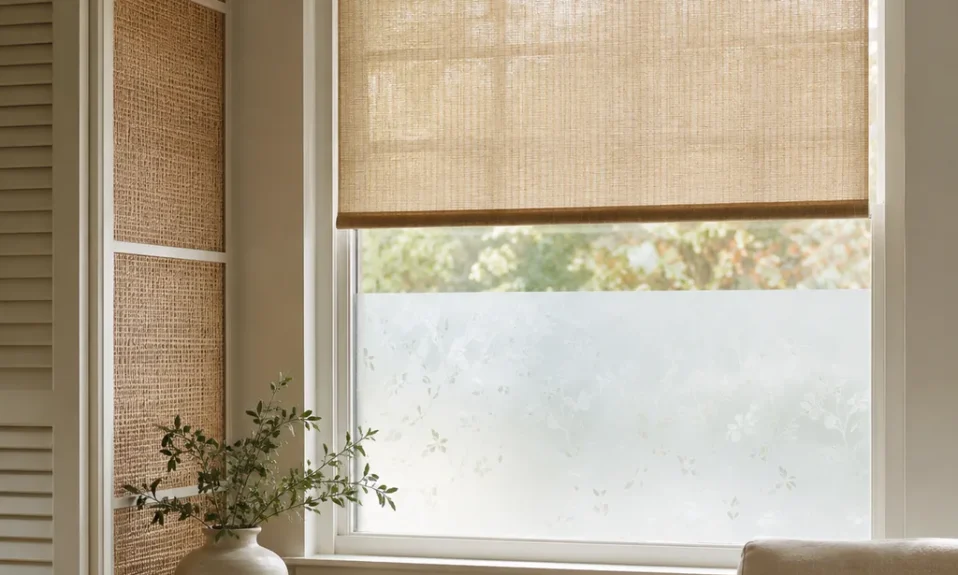
Manage glare during the day, then layer lamps for evening so the room does not swing from too bright to too dim.
This matters most in rooms with big afternoon sun or west-facing windows. Sheers, lined curtains, and shades each solve a different problem.
16. Choosing the Wrong Bulb Shape

Bulbs are part of the look when they are visible.
Choose shapes that fit the fixture style and hide awkward bases, bright points, or bulbs that stick out below a shade. Check the socket depth before buying a multi-pack.
Read More: 27 Entryway Mistakes That Make a Home Feel Messy Immediately
15. Forgetting Closet Lighting

Dark closets make bedrooms feel less functional.
Use safe, code-compliant LED closet lighting and avoid fixtures that heat up near clothing. For the storage side of the same problem, check closet design mistakes that waste usable space.
The goal is to see colors and corners without creating a safety issue.
14. Using Flush Mounts Everywhere

Basic flush mounts can make a home feel builder-grade when repeated in every room.
Keep them where clearance matters, but upgrade key rooms with fixtures that match the scale and style of the space.
Even one better fixture in the entry, dining room, or hallway can change how finished the home feels.
13. Skipping Exterior Entry Lighting

A dark front entry makes the home feel less welcoming and less secure.
Use porch lights, path lights, or sconces that fit the architecture and light the lock, steps, and approach.
Avoid fixtures that glare into visitors’ eyes while leaving the walkway dark. The best entry light helps guests find the door and the keyhole.
12. Not Lighting Art or Built-Ins

Shelves and art can make a room feel custom when they are lit well.
Use picture lights, small integrated LEDs, or directional lights for focal points instead of relying on the ceiling.
Accent light works best when it supports something worth noticing. Test beam spread so the light lands on the art, not just the wall above it.
11. Overlighting Small Rooms
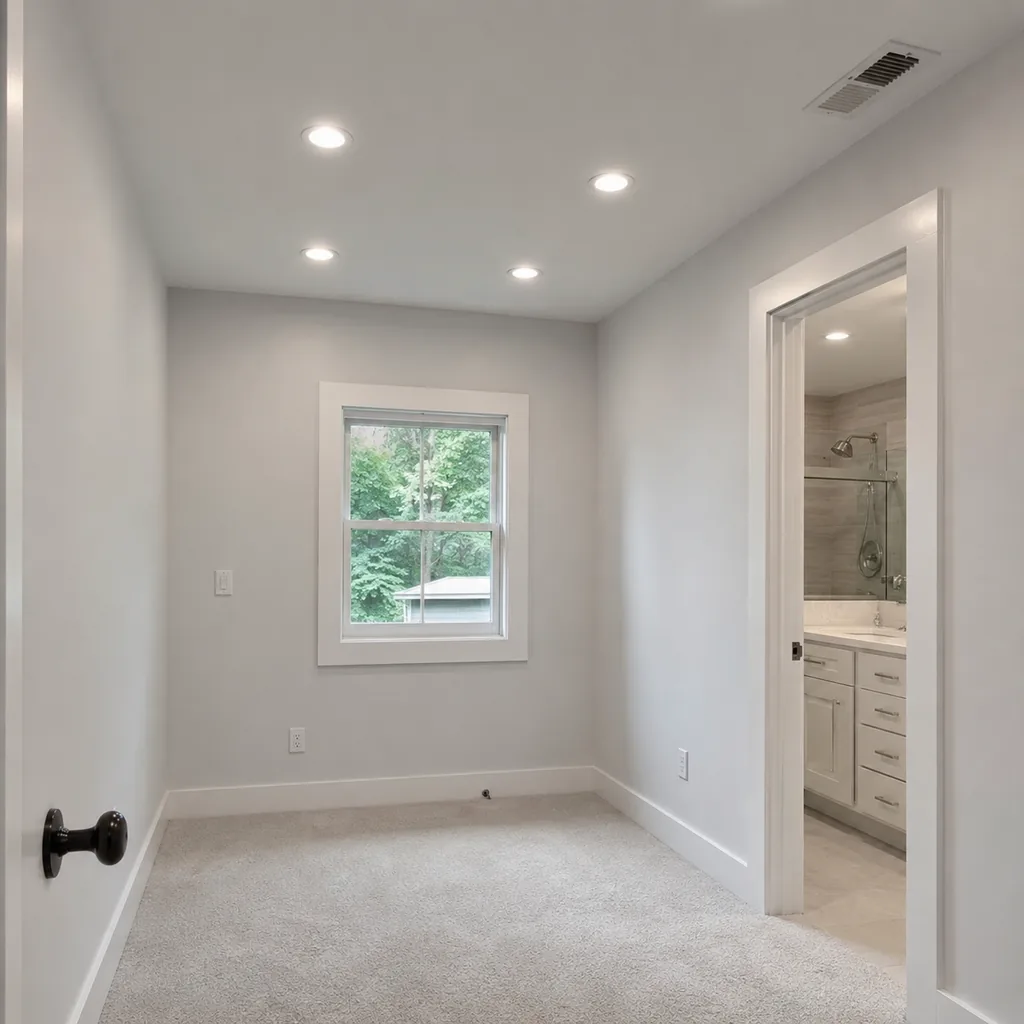
Too much bright light can make a small room feel harsh rather than larger.
Use dimmers and multiple lower-output sources so the room has options.
Soft layers usually beat one intense fixture, especially in powder rooms, bedrooms, and small dens. Bright from every angle can make imperfections more obvious.
10. Ignoring Shadows on Work Surfaces

Your body can block light from the task if fixtures are poorly placed.
Check shadows at counters, desks, vanities, and worktables before finalizing placement. The same practical test matters in home office layouts built for actual work.
If your hands are in shadow, the fixture is not serving the task.
9. Using Outdated Fan Lights as Main Lighting

Old fan light kits often cast weak, dated light.
If the fan stays, update the light kit or add separate room lighting so the fan is not doing every job.
A fan can move air well and still be the wrong primary light source. Treat air movement and room lighting as two separate design decisions.
8. Forgetting Stair Lighting

Stairs need safe, even light.
Use overhead fixtures, sconces, or step lights that make edges visible without glare. Check the view from the top and bottom, because shadows can hide tread edges.
Read More: 29 Laundry Room Mistakes That Make the Space Harder to Use Later
7. Choosing Trend Fixtures for Every Room

Trendy lighting ages quickly when it is repeated throughout the house.
Use classic forms for permanent fixtures and trendier pieces where they are easy to change.
That keeps the home current without making every room depend on the same short-lived look.
6. Not Checking Bulb Compatibility

LED bulbs and dimmers do not always work together.
Confirm the bulb base, wattage limit, dimmer compatibility, and enclosed-fixture rating before buying multiples.
This small check prevents flicker, buzzing, overheating, and wasted bulbs. Keep the package details until you know the fixture works properly.
5. Leaving Switches in Awkward Places

A switch in the wrong spot makes a room feel poorly planned every day.
Place switches where people enter, leave, and use the room. Three-way switches matter in hallways, bedrooms, stairs, and large living areas.
The test is simple: you should not have to cross a dark room to turn on the light.
4. Ignoring Ceiling Height

A tall room can swallow a small fixture, while a low room needs clearance.
Match fixture drop and diameter to ceiling height before ordering, and check door swings or tall family members where needed. Low ceilings often need width more than drop.
Read More: 31 Walk-In Pantry Mistakes That Look Good Online but Annoy You Daily
3. Using No Accent Light in Dining Rooms

Dining rooms feel flat when the chandelier is the only source.
Add sconces, buffet lamps, or dimmable accent light so meals do not rely on one overhead glare point.
The room should feel comfortable for dinner, homework, holidays, and cleanup. A small lamp on a sideboard can make the room feel less formal and more usable.
2. Skipping Maintenance Access
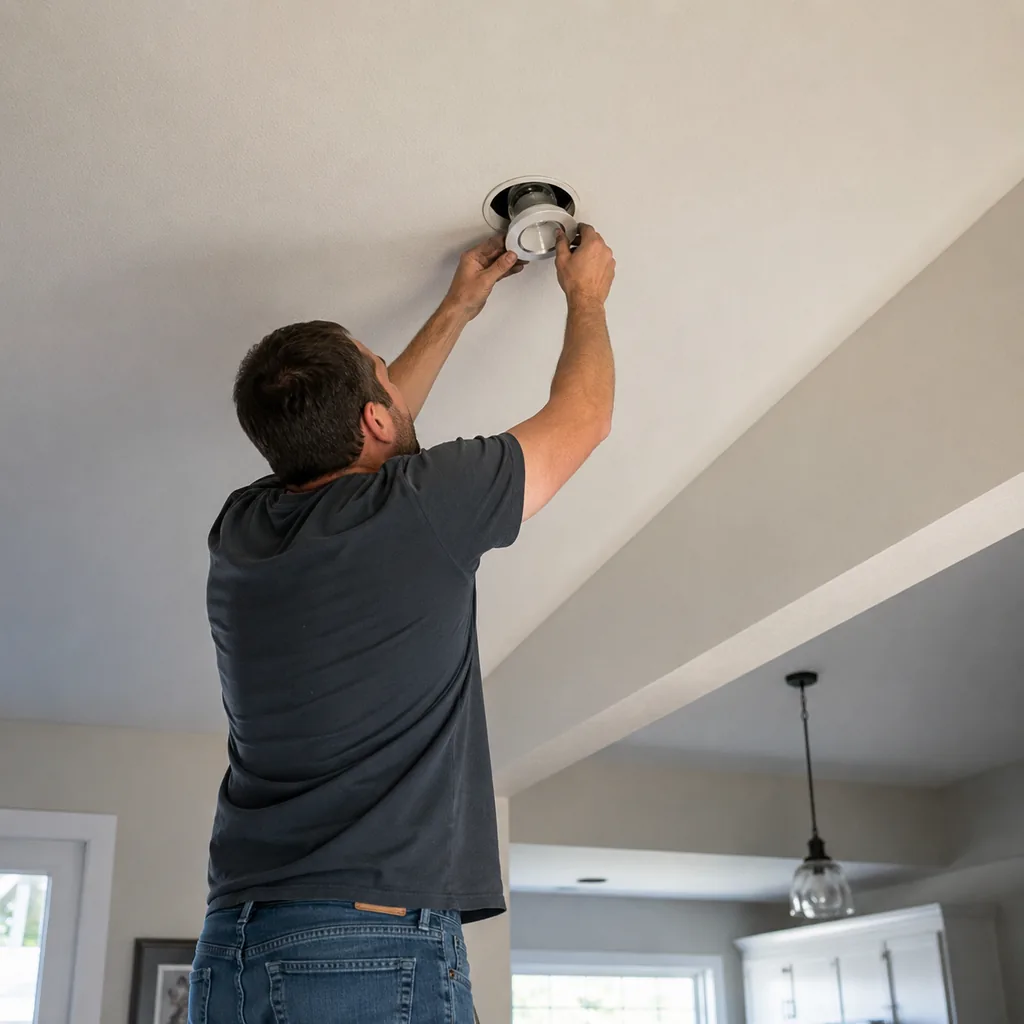
Hard-to-reach fixtures become dusty or stay broken.
Think through how bulbs, covers, shades, and integrated LEDs will be cleaned or replaced.
A fixture that requires a special ladder for every small task may not be practical for daily life. This matters in stairwells, foyers, and vaulted rooms.
1. Treating Lighting as the Last Decision

Lighting should shape the plan, not patch it at the end.
Decide how each room should feel and function, then place fixtures to support that job.
When lighting is planned early, furniture, color, outlets, and switches all make more sense. It is much harder to fix after walls and ceilings are closed.
Make the Room Work Before It Looks Finished
The best home projects are planned around daily use first.
Once the clearances, storage, lighting, and maintenance are right, the finishes have a much better chance of lasting.