31 Patio Design Mistakes That Make Backyards Feel Cheap or Unfinished
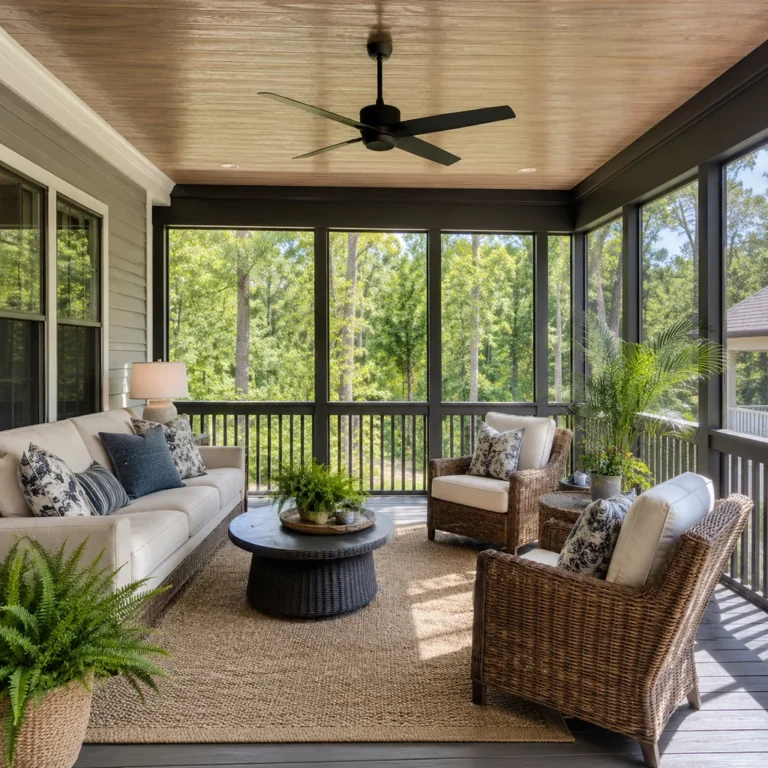
A patio feels finished when the layout, shade, furniture, lighting, and edges work together. These mistakes make outdoor spaces look temporary even when the materials are expensive.
31. Choosing Furniture Before Measuring the Patio

The issue: Outdoor furniture is larger than it looks in store photos.
Measure the table, chairs pulled out, lounge clearance, and walking path before buying. A patio needs movement space, not just enough square footage for the furniture footprint.
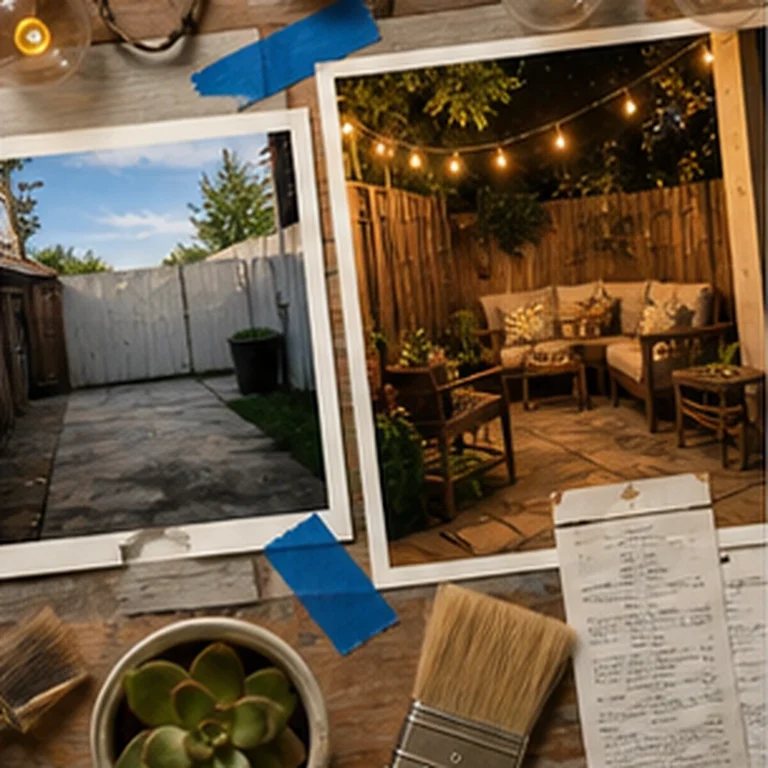
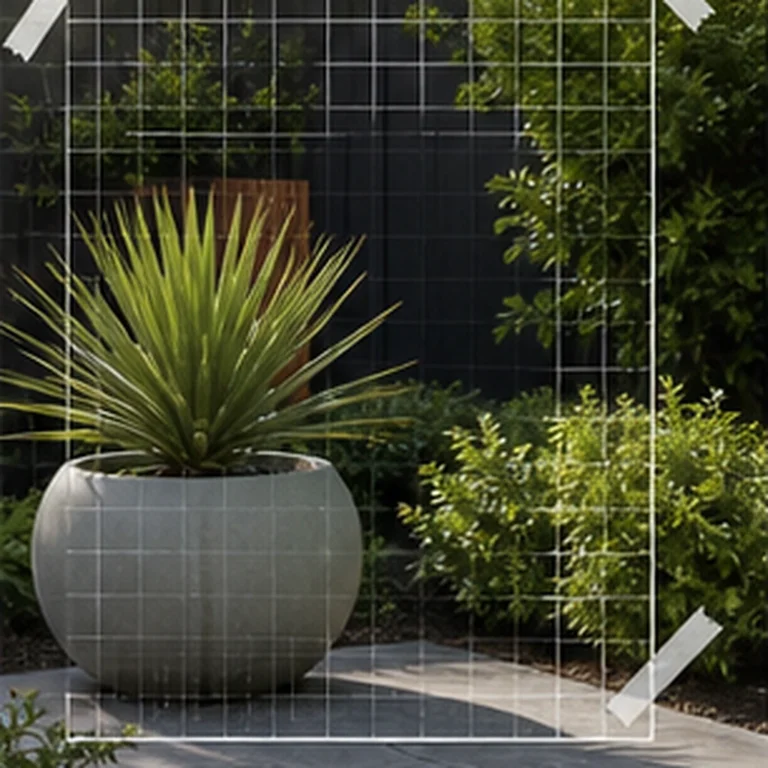
Tape the layout on the surface if you can; it exposes tight spots quickly.
30. Skipping Shade Planning

What changes: A patio that bakes in afternoon sun will not get used often.
Plan umbrellas, pergolas, shade sails, trees, or covered zones around the hottest hours in your climate. Check where the shade lands at dinner time, not just noon.
Comfort is what makes outdoor space feel finished.
29. Ignoring Drainage

The risk: Water that pools on a patio stains surfaces, attracts insects, and shortens material life.
Confirm slope, downspout direction, and drainage before installing pavers, concrete, or tile. A small grade problem can become a permanent puddle.
This is a construction detail, not a styling choice.
28. Using Indoor-Scale Decor Outside

Why it matters: Tiny pillows, small lanterns, and undersized rugs disappear outdoors.
Use pieces with enough scale to read from the yard and from inside the house. Outdoor rooms usually need fewer, larger elements instead of many little accents.
Scale is what keeps the patio from looking temporary.
27. Forgetting the Grill Smoke Path
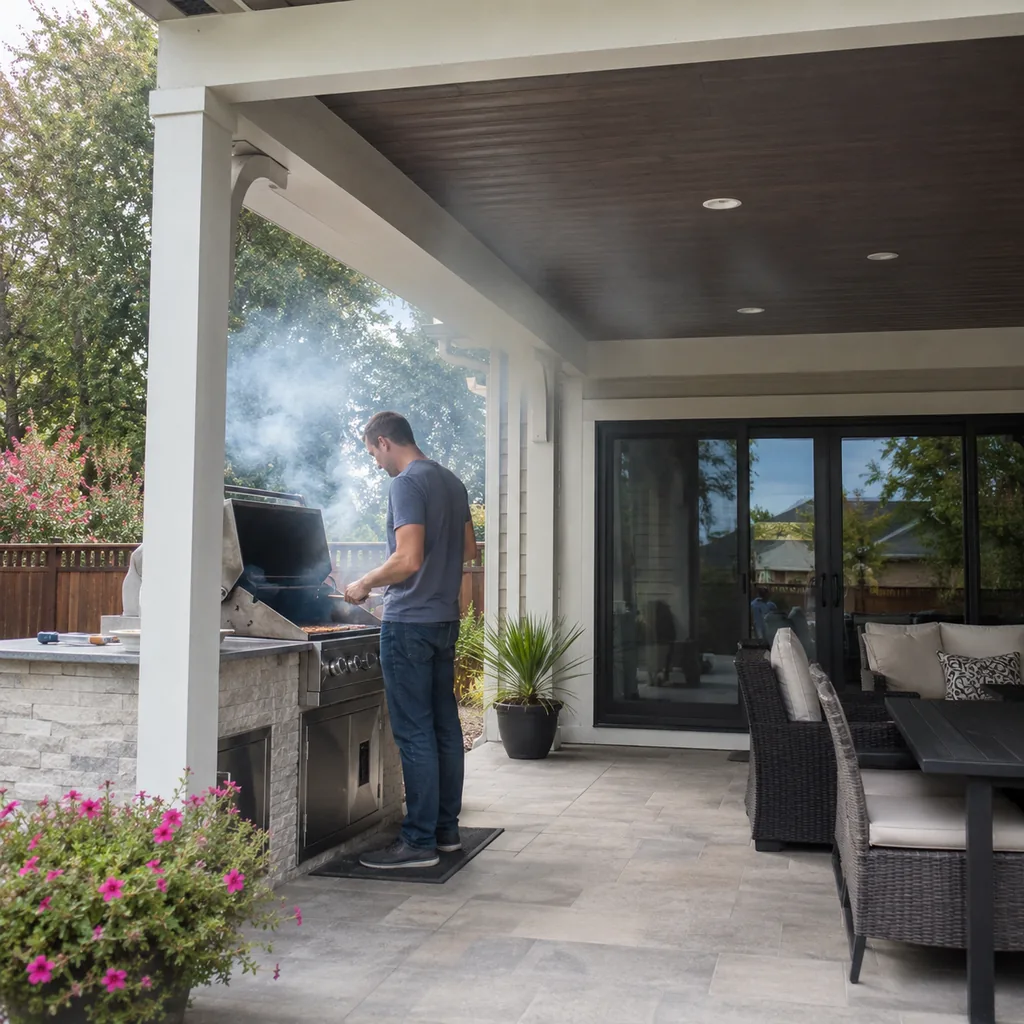
The issue: Even without an outdoor kitchen, a grill needs smart placement.
Keep smoke away from doors, windows, seating, and close neighbors. Watch the usual wind direction before choosing a permanent spot.
A convenient grill that smokes out the table will not feel convenient for long.
26. Putting Seating Too Far From the Door

What changes: A patio that is inconvenient to reach gets used less.
Keep everyday seating near the kitchen or main exit unless the yard has a clear reason for a destination patio. Carrying plates and drinks should feel easy.
The farther the patio sits from the house, the stronger its purpose needs to be.
25. Choosing the Wrong Rug Size

The risk: A small rug floating under only the coffee table makes the furniture look disconnected.
Use a rug large enough for the front legs of the seating, or skip the rug and define the zone with pavers, planters, or furniture placement.
Outdoor rugs should frame the group, not look like an afterthought.
24. Skipping Edge Planting

Where it helps: A plain slab with no edge treatment can look dropped into the yard.
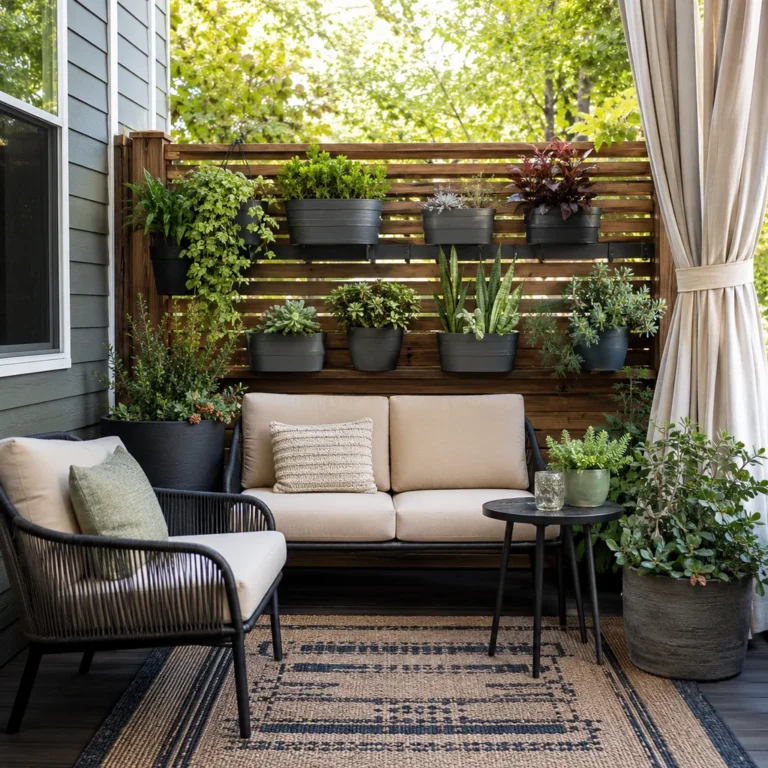
Use low planting, gravel borders, seat walls, or containers to soften the transition. The edge should explain where the patio ends and the landscape begins.
That border is often what makes inexpensive materials look deliberate.
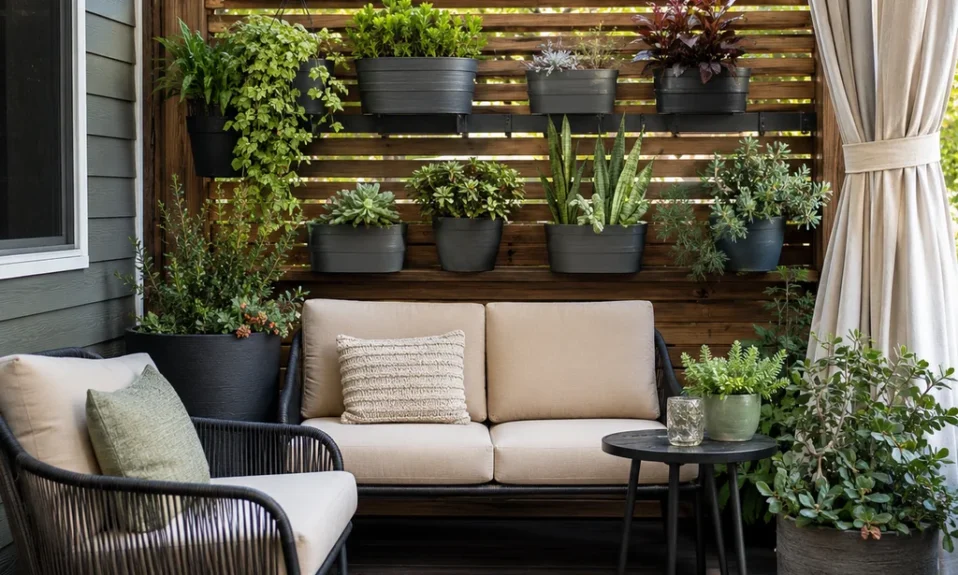
23. Using Too Many Small Pots
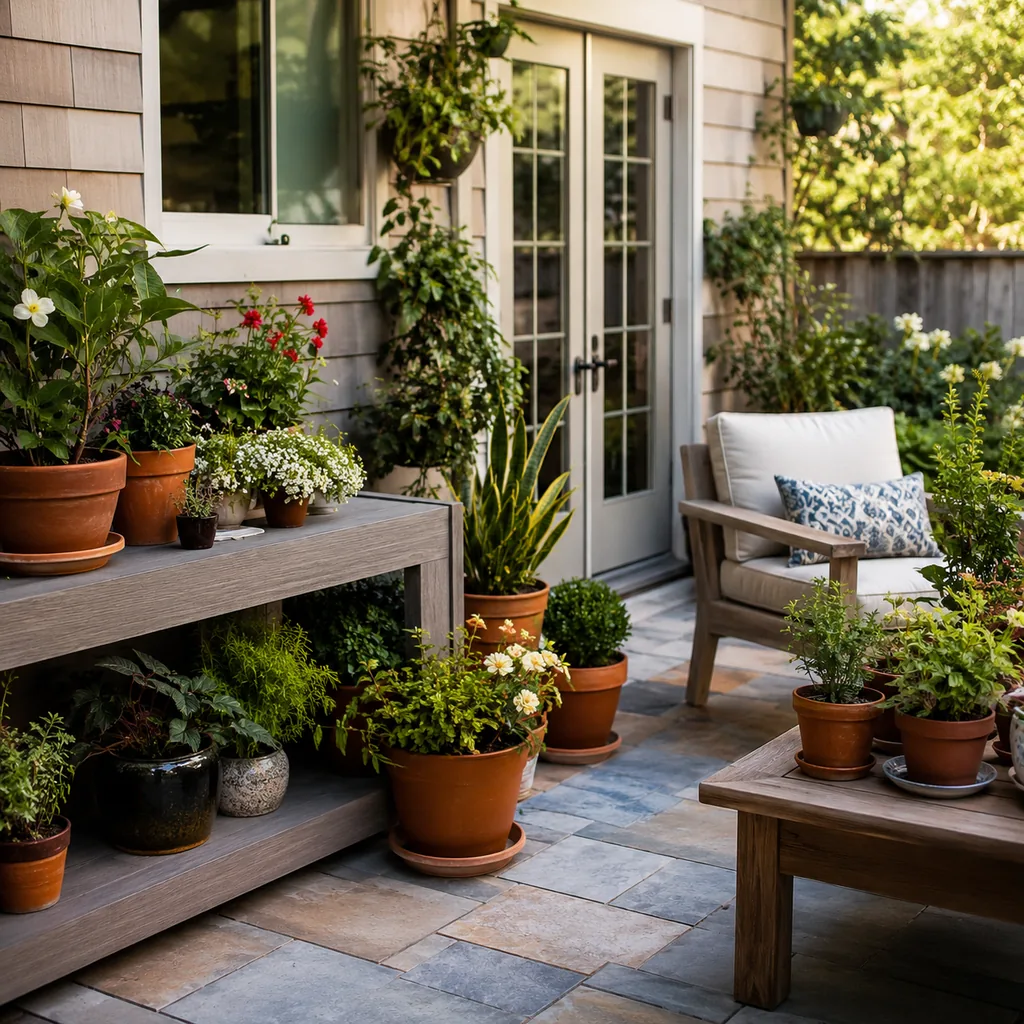
The issue: A scatter of tiny pots reads cluttered from a distance.
Group fewer, larger containers with plants that match the light and watering routine. Big pots also dry out more slowly in summer heat.
Think in groups and heights, not one small pot at a time.
22. Forgetting Night Lighting
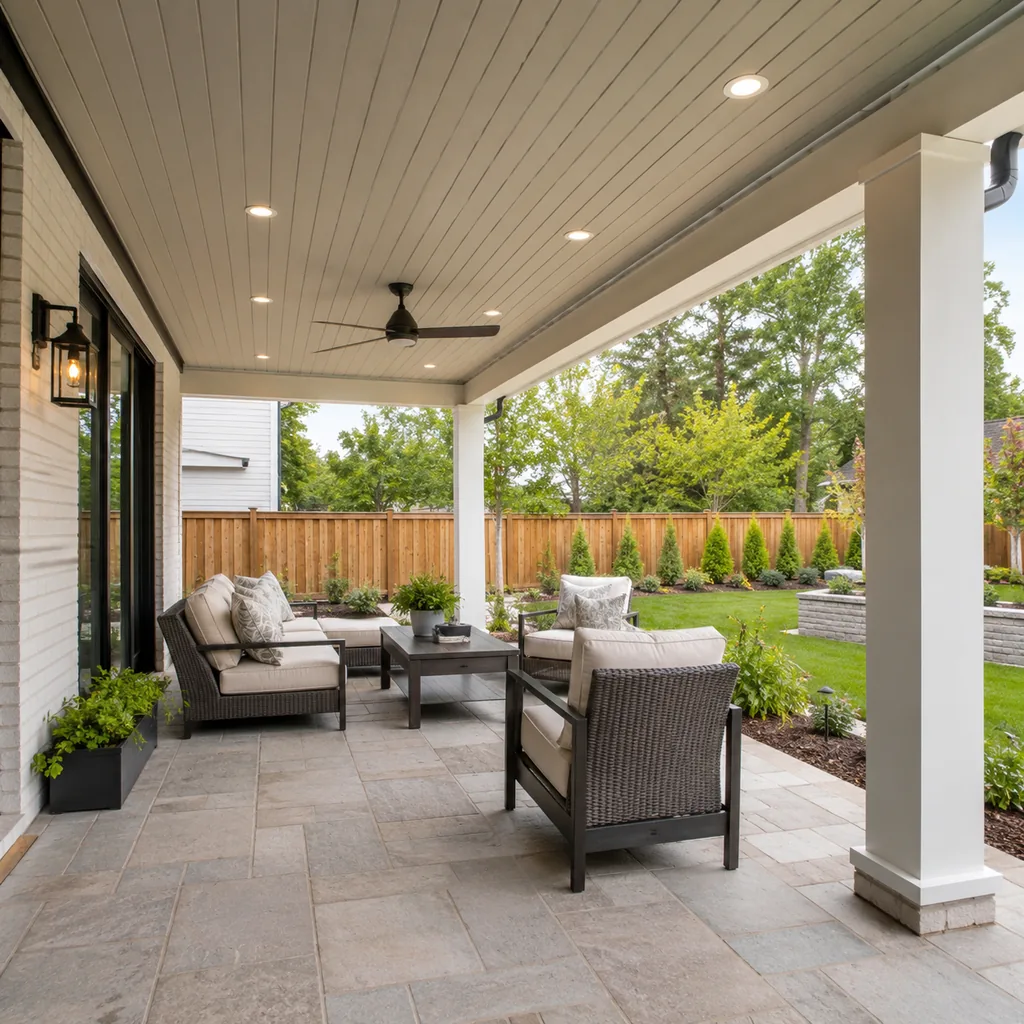
Why it matters: Patios often fail after sunset because the lighting is harsh or missing.
Layer low path lights, wall lights, string lights, and table-level glow. Avoid relying on one glaring floodlight from the house.
The best night lighting lets people move safely without flattening the whole yard.
21. Ignoring Privacy Lines

The hidden problem: A patio can feel exposed even in a nice yard.
Check sightlines from neighbors, sidewalks, and second-story windows while sitting down, not only while standing. Screens, shrubs, or trellises should block the actual view line.
Privacy works best when it feels built into the layout.
20. Choosing Materials That Fight the House

What changes: A patio should connect visually to the home’s exterior.
Repeat one color, texture, or material from the house so the space feels intentional. Brick, trim color, stone tone, or black metal can all create that bridge.
The patio can be casual, but it should not look unrelated to the home.
19. Making the Dining Zone Too Tight

Check first: Outdoor dining needs more room than the table alone suggests.
Leave space for chairs pulled out, serving, and people walking behind seated guests. If you like clearance-based planning, 33 Small Kitchen Layout Mistakes That Make the Room Feel Even Smaller applies the same idea indoors.
A dining zone that pinches traffic will be avoided during real meals.
18. Forgetting Storage for Cushions

The issue: Outdoor cushions last longer when they can dry and be stored properly.
Use a deck box, bench storage, garage shelf, or nearby closet instead of dragging cushions through the house every night. For the same storage-first mindset, see 29 Closet Design Mistakes That Waste Space You Could Be Using.
Storage should be close enough that people actually use it before storms.
17. Using Slippery Tile Outside
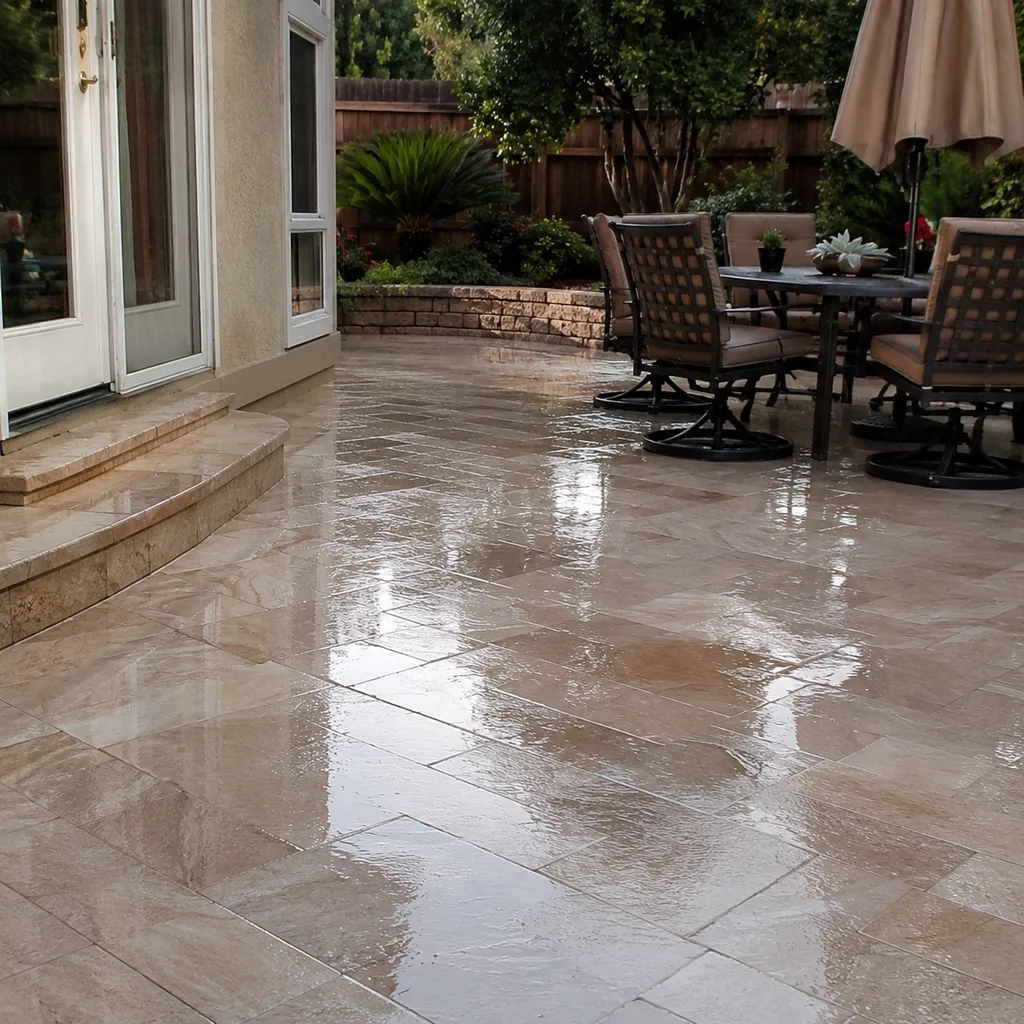
The risk: Some tile becomes dangerous when it gets wet.
Choose outdoor-rated surfaces with appropriate slip resistance and freeze-thaw performance for your region. Smooth indoor tile can look polished and still be wrong outside.
Ask for the outdoor rating before you fall in love with the pattern.
16. Skipping Bug Control Design

Why it matters: Standing water, dense shade, and poor airflow can make a patio unpleasant.
Keep water from collecting, use fans where practical, and place plants so air can move. Night fixtures also matter, so pair this with 31 Lighting Mistakes That Make a Home Look Older and Smaller when planning evening use.
Bug control works best when it is designed into the space, not added after every dinner.
15. Putting the Fire Pit Too Close

The issue: Fire features need clearance from furniture, roofs, fences, and plants.
Follow the manufacturer’s spacing requirements and local fire guidance. Comfortable seating still needs a safe distance from flame, sparks, and heat.
If the only layout is cramped, choose a smaller feature or skip it.
14. Forgetting Serving Surfaces
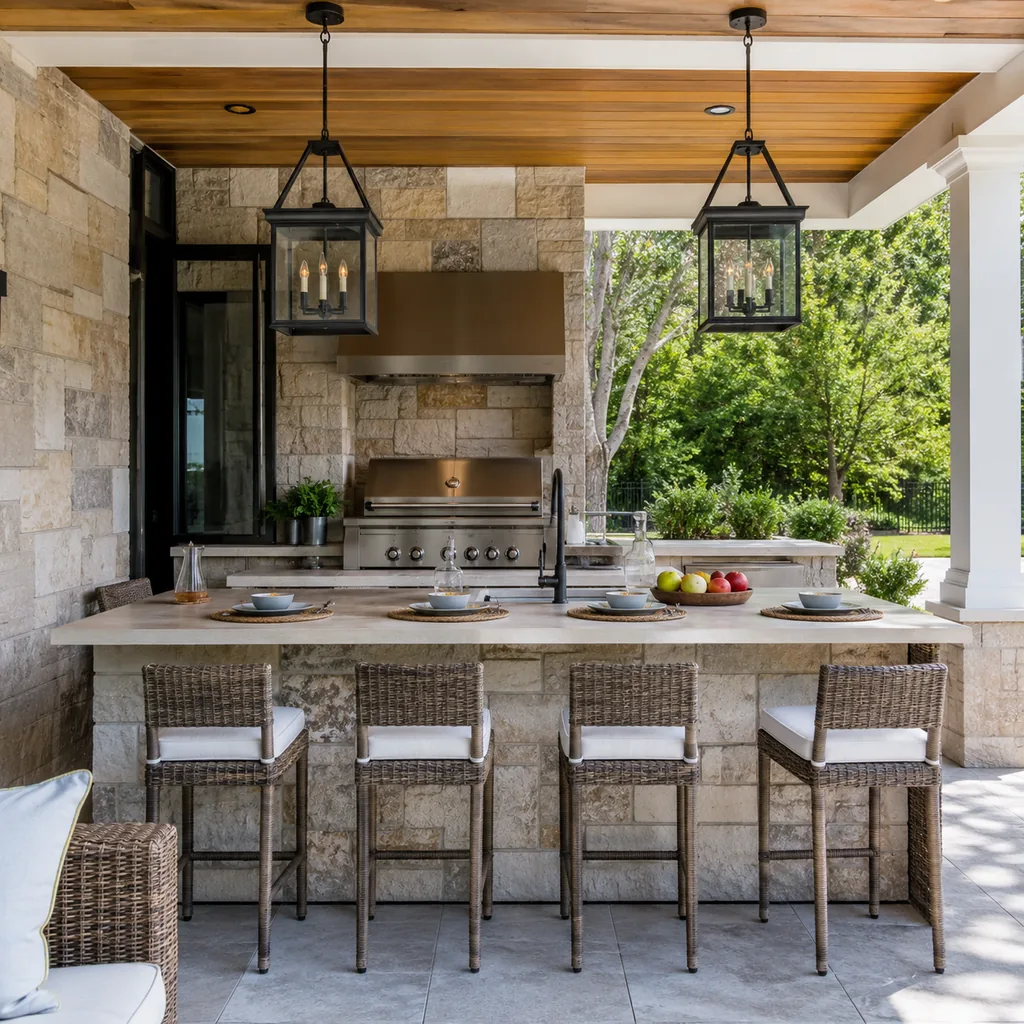
Where it helps: A patio without side tables forces drinks, plates, and phones onto the ground.
Add side tables, a console, or a serving cart near seating and dining zones. The surface should be reachable from the main seats, not parked across the patio.
Small landing spots make the space feel easier to use.
13. Using Furniture That Is Too Light

The risk: Lightweight furniture can blow around, wobble, or age quickly.
Choose materials with enough weight and weather resistance for your climate. Aluminum, steel, teak, resin wicker, and composite pieces all behave differently in wind and sun.
Cheap pieces get expensive when they need replacing after one season.
12. Ignoring the View From Inside

Why it matters: The patio is visible from the kitchen, living room, or bedroom even when nobody is outside.
Place the best-looking seating, containers, or lighting where they improve the interior view too. The patio should add something to the house on ordinary weekdays.
This is especially important for sliding doors and big rear windows.
11. Skipping a Clear Walking Path

The issue: Patios get awkward when every route cuts through seating.
Plan the path from door to yard, grill, dining, and garden before placing furniture. The same traffic-flow lesson shows up in 17 Entryway Mistakes That Make a Home Feel Messy Immediately.
A clear path makes the patio feel larger even when the footprint stays the same.
10. Not Matching Plants to Heat and Water

Where it helps: Containers on patios dry out faster than garden beds.
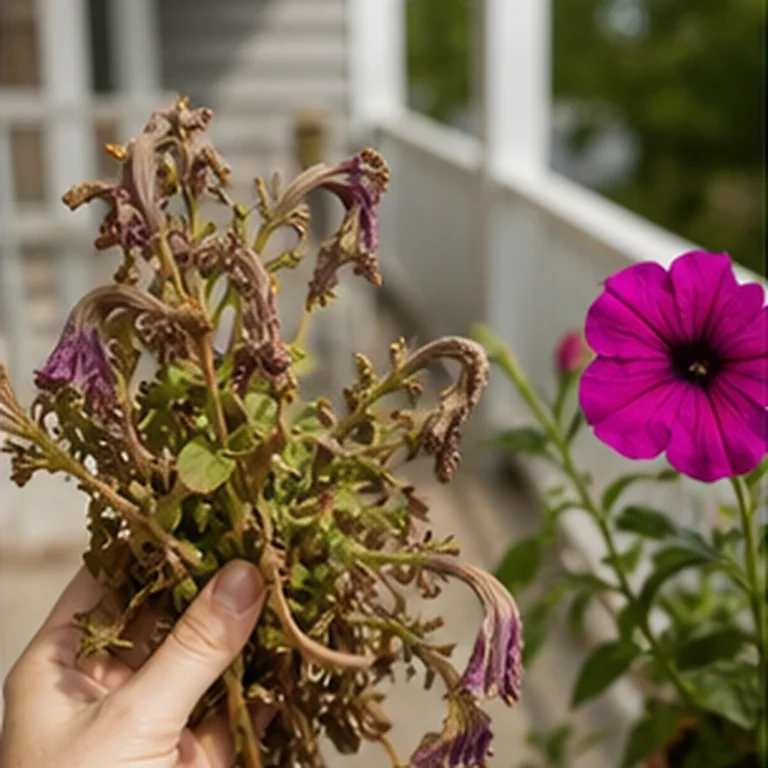
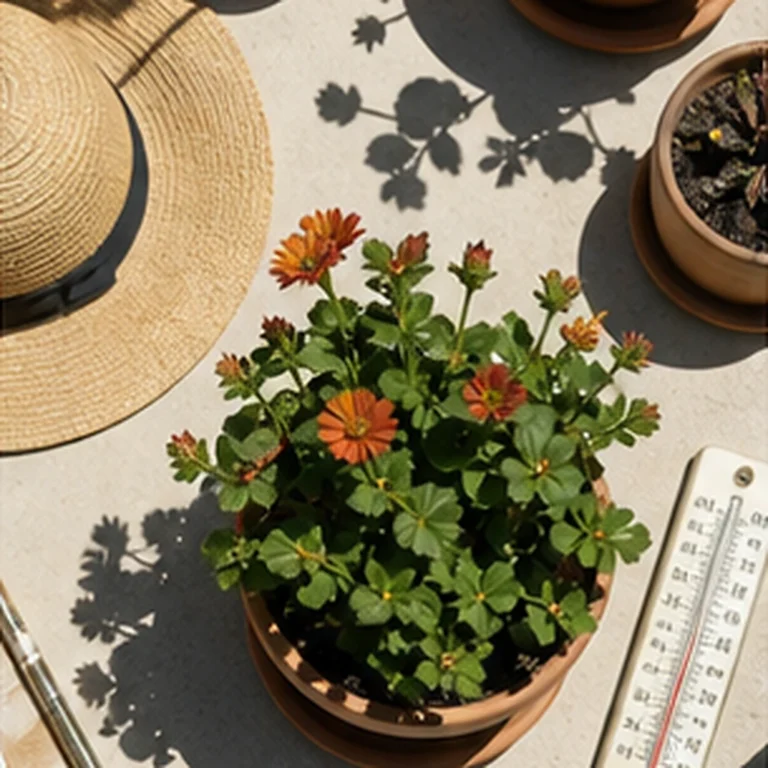
Choose plants that tolerate reflected heat and your watering habits. Larger pots hold moisture better, and saucers should not become mosquito water.
Match the plant plan to the maintenance you will actually do.
9. Forgetting Sound
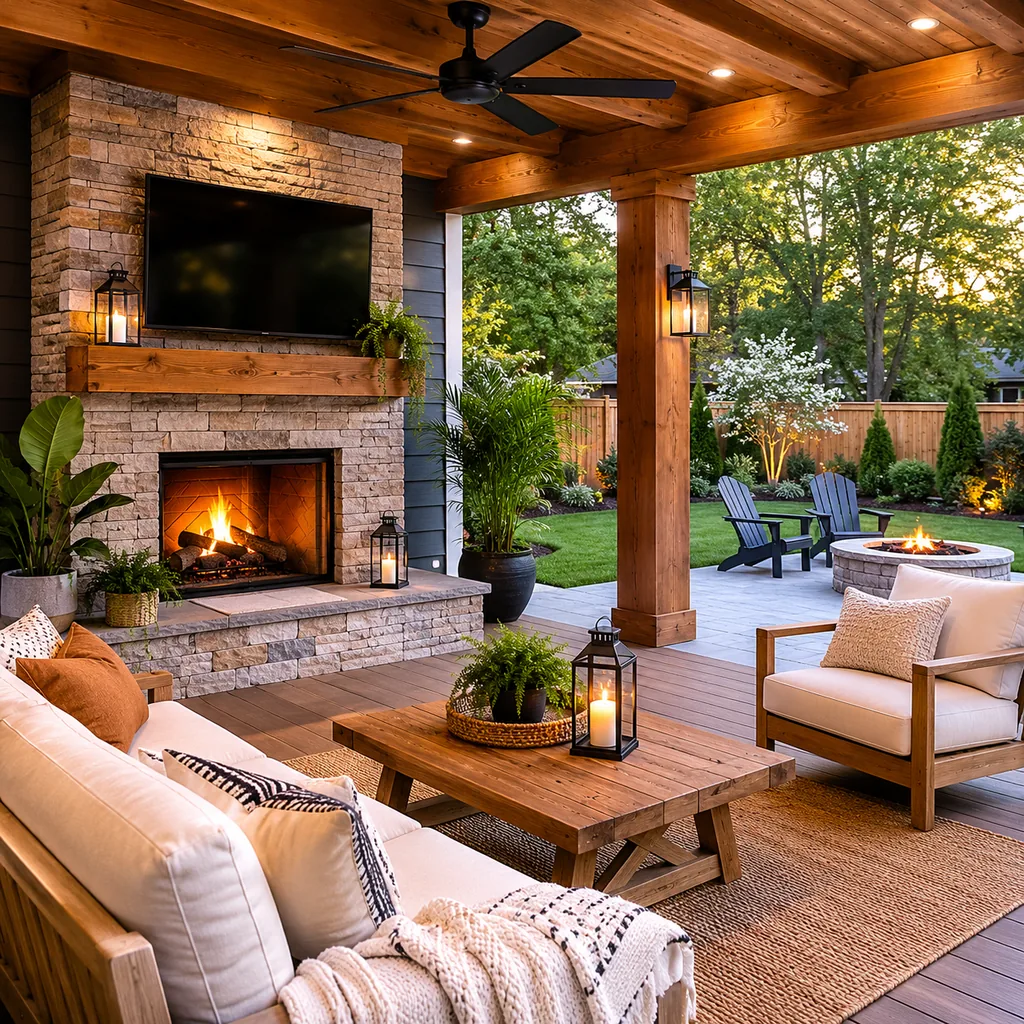
The hidden problem: Traffic, pool equipment, and neighboring patios can make a space feel less relaxing.
Use planting, water sounds, furniture placement, and solid screens to soften noise where possible. Even a small fountain can shift how the patio feels.
Sound should be part of the layout, not a surprise after installation.
8. Choosing a Patio Too Small for the Use

Check first: A small pad may work for two chairs but fail for dining and lounging.
Pick one main function when space is limited. A focused coffee spot or dining area usually feels more expensive than a cramped patio trying to do everything.
Purpose is what keeps a small outdoor room from feeling unfinished.
7. Letting Downspouts Dump Onto the Patio

The risk: Roof water can stain surfaces, splash dirt, and create slick spots.
Extend or redirect downspouts before finishing the patio surface. Water planning is not only an outdoor issue; 27 Bathroom Remodel Mistakes That Are Expensive to Fix Later shows how costly moisture mistakes can become indoors too.
Fixing drainage after hardscape is installed is always more annoying.
6. Skipping Outdoor Outlets

Why it matters: Fans, lights, speakers, and chargers need safe outdoor power.
Add weather-rated outlets where code and the layout allow. It is much easier before pavers, concrete, or finished walls make the route harder.
Electrical planning should follow where people actually sit and cook.
5. Using One Furniture Set Everywhere

The issue: A patio with no focal point can feel like leftover pavement.
Anchor the view with a table, tree, fireplace, fountain, planter group, or seating arrangement. The focal point should make sense from the house and from the yard.
One strong anchor beats scattered decor.
4. Forgetting Winter Storage

The payoff: In many U.S. climates, outdoor items need a plan for snow, storms, or off-season storage.
Choose foldable, stackable, or covered storage options if the patio faces harsh weather. The daily clutter lesson in 29 Mudroom Mistakes That Create More Clutter Instead of Less applies outside too: wet, bulky items need a home.
Winter storage should be part of the purchase decision, not a fall problem.
3. Ignoring Scale Against the Yard

What changes: A patio often needs trash, recycling, or a small cleanup zone when people eat outside.
Place a lidded bin near the serving path but away from the best seating. If guests cannot find it, plates and cans collect on tables.
Outdoor cleanup should be simple enough that it happens during the party.
2. Treating Lighting as Decoration Only

The risk: Trendy furniture can date quickly when it fights the house, climate, or maintenance reality.
Choose durable shapes and materials first, then use cushions, planters, and accessories for seasonal style. Big purchases should survive more than one Pinterest cycle.
A timeless base makes updates cheaper later.
1. Stopping Before the Patio Has a Purpose
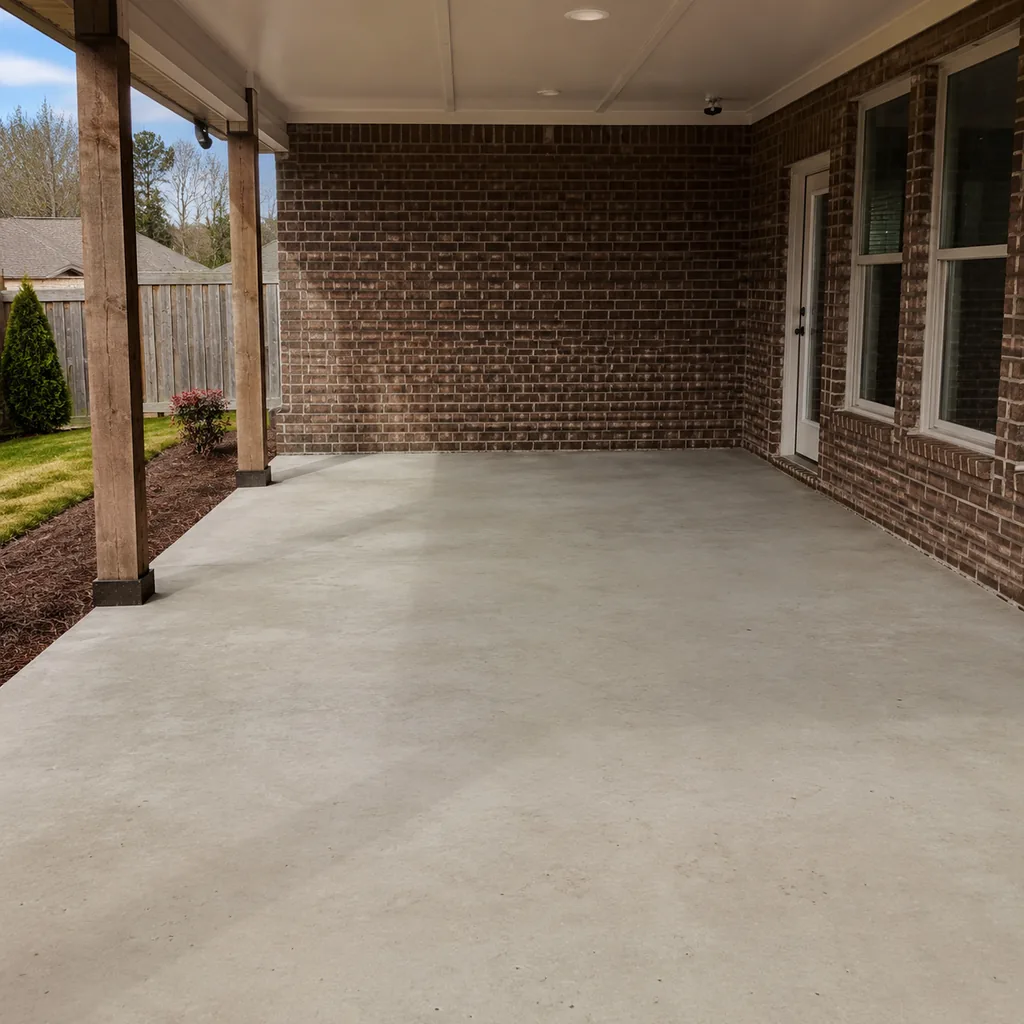
Make the Room Work Before It Looks Finished
The hidden problem: A patio without a clear job becomes a furniture display.
Decide whether the space is for coffee, dinners, lounging, kids, gardening, or hosting. Design every choice around that use before worrying about finishing touches.
Once the clearances, storage, lighting, and maintenance are right, the patio has a much better chance of being used.