27 Home Staging Secrets That Make Your Home Sell Faster (Real Estate Agents Charge Thousands for These)
Your home has been lived in. That’s obvious. That’s also the problem.
Buyers need to picture their life in your space. Every personal item, every piece of clutter, every lingering smell makes that harder.
Professional stagers charge $1,500 to $5,000 to apply the same principles you’re about to read.
Most of what they do costs almost nothing. What costs you is not doing it.
The item at #1 on this list is the one sellers consistently skip. It’s also the one that costs them the most when offers come in lower than expected.
Here are 27 staging secrets that actually move homes.
27. A Clean Welcome Mat and One Potted Plant by the Front Door
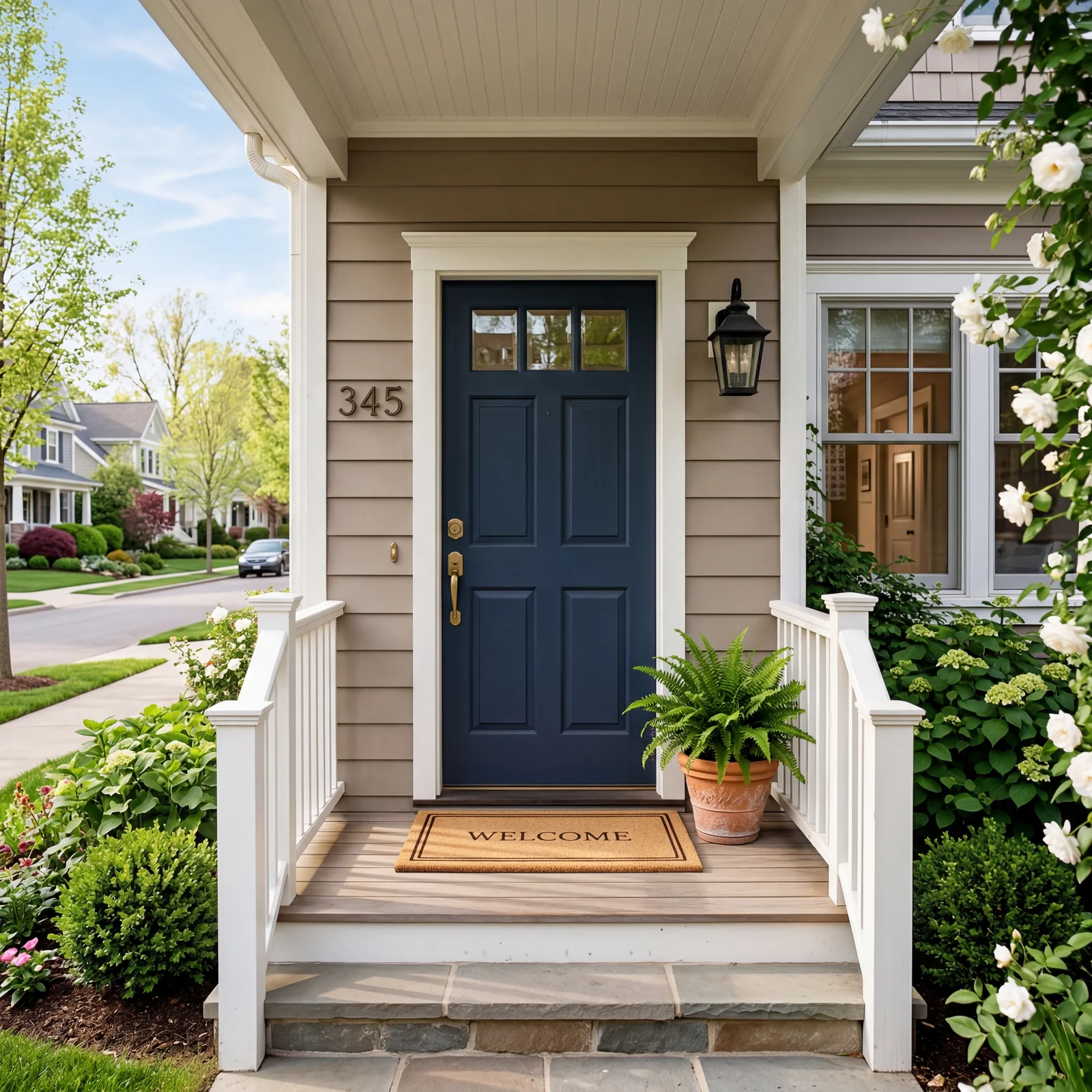
The first five seconds outside the front door set the emotional tone for every room that follows.
A dirty mat and a bare stoop say neglect before a buyer steps inside. A clean mat and one living plant say someone loved this home.
This costs about $35. Skip it and buyers walk through the door with doubt already in their chest.
It’s a small thing. Most sellers overlook it. Most buyers feel it.
26. Remove Every Personal Photo From the Main Living Areas
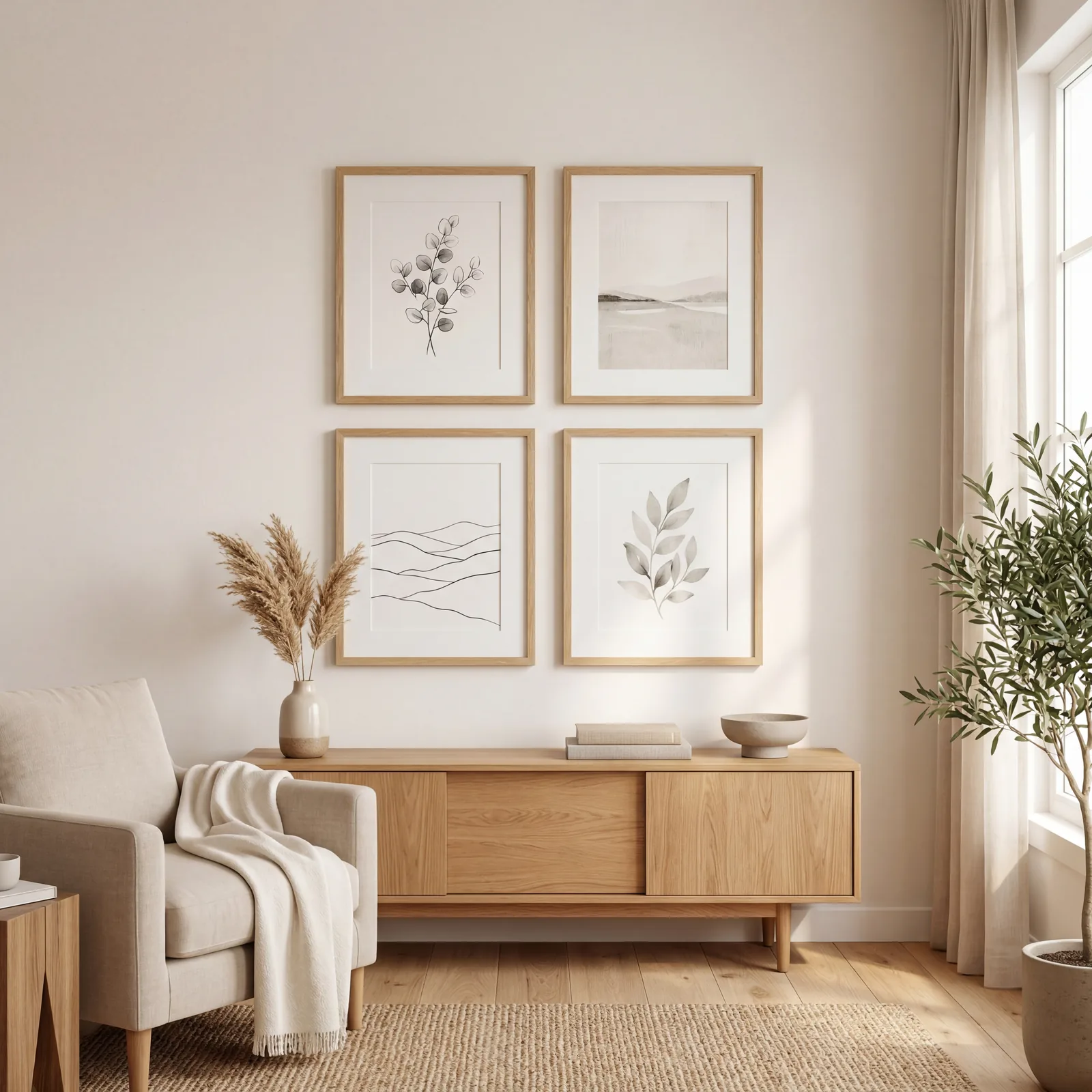
A wall full of family portraits doesn’t make a buyer feel welcome. It makes them feel like a trespasser.
They can’t picture their life when yours is staring back at them. Every personal photo is a mental speed bump.
Take them down. Store them. Hang one or two pieces of simple, neutral art instead.
Buyers want to feel like they’ve already moved in. Personal photos make that impossible.
25. Match All Your Light Bulbs to the Same Color Temperature
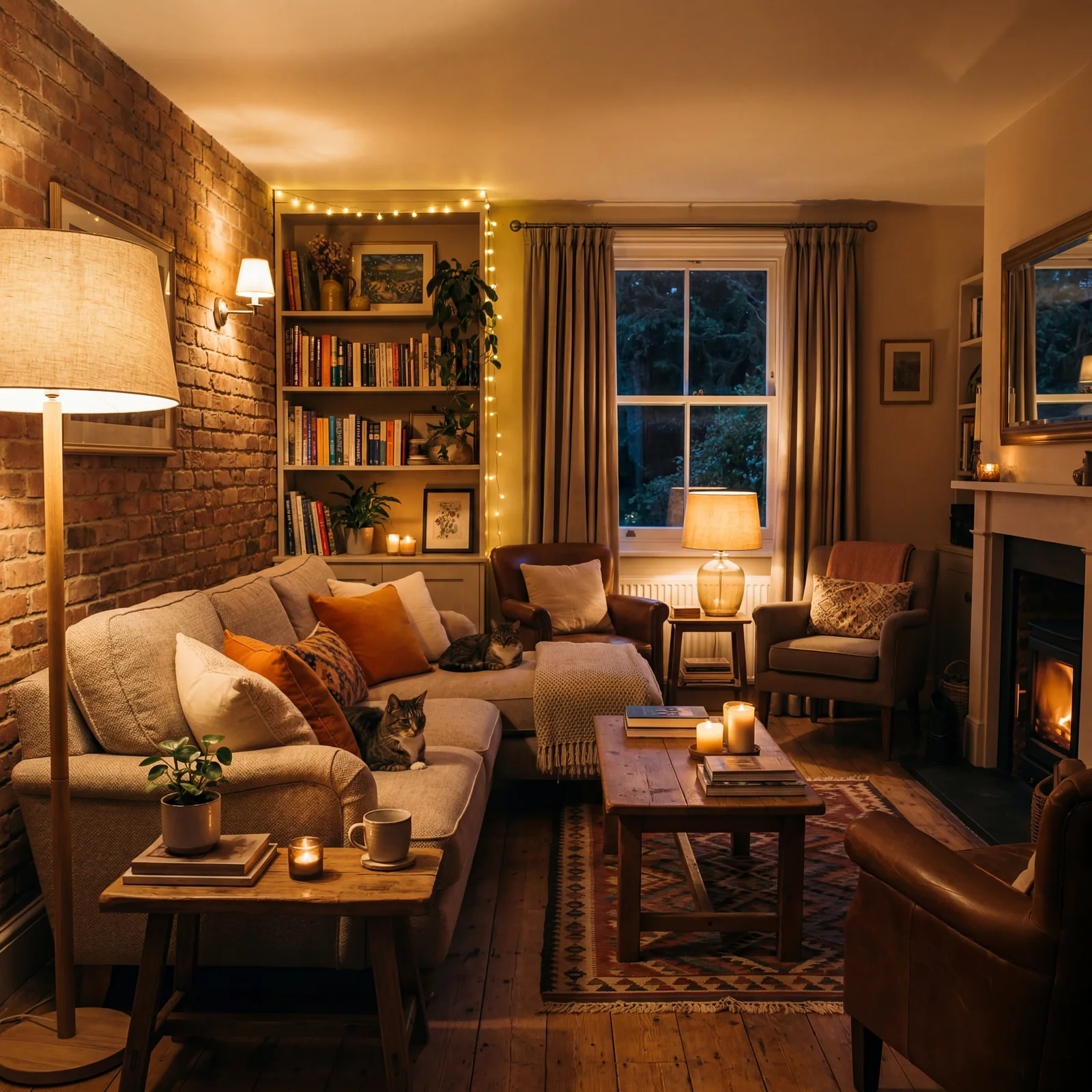
Nothing makes a home feel cheaper faster than mismatched bulbs.
One warm yellow and one cold blue in the same room makes people uncomfortable without knowing why. They just feel like something’s off.
Replace every bulb in the home with 2700K soft white. A pack of 10 runs about $12 at any hardware store.
It’s invisible when done right. It’s painfully obvious when skipped.
24. Deep Clean the Oven and Range Hood Before Every Showing
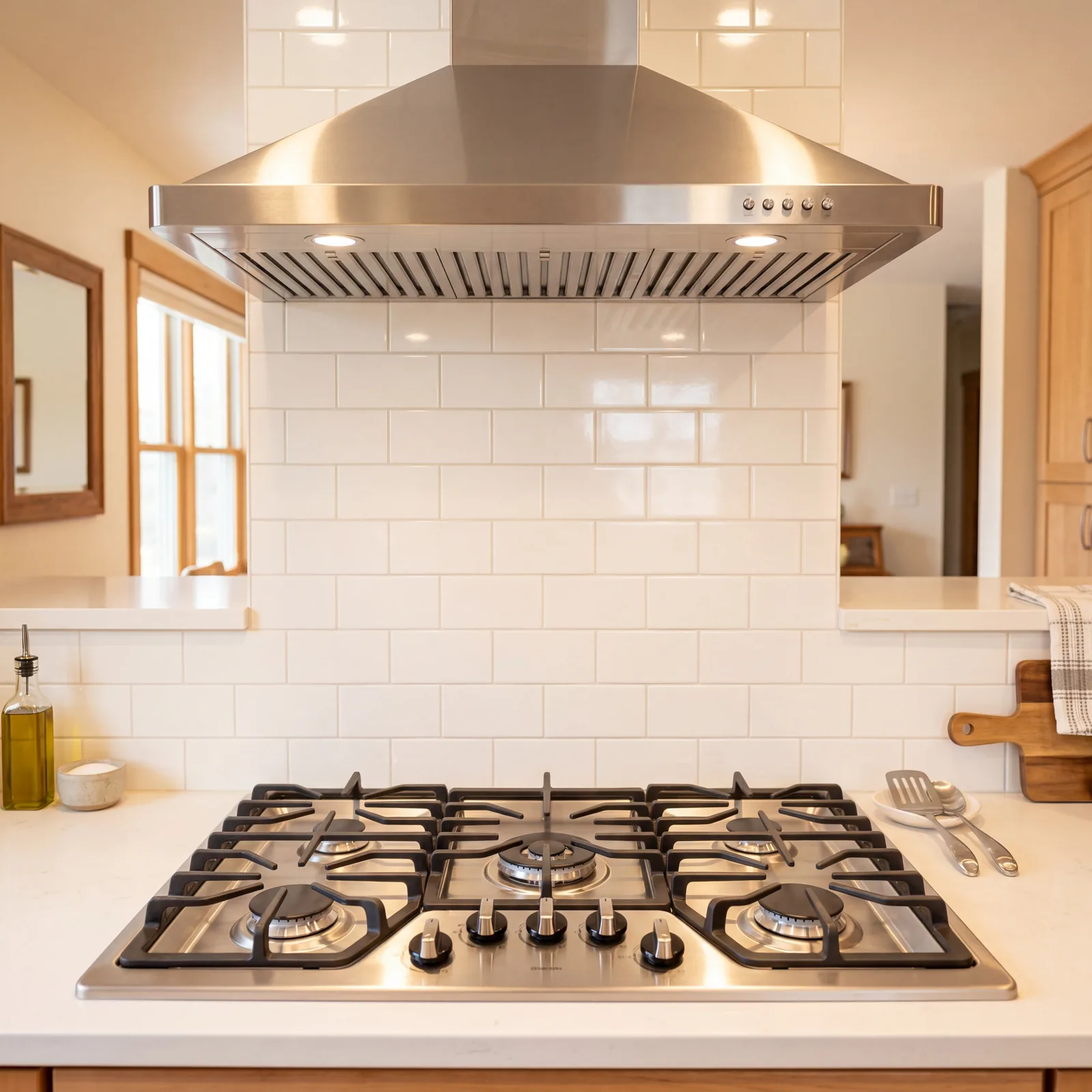
Buyers open the oven. Every single time.
A greasy oven says the whole kitchen hasn’t been maintained. It raises questions about what else has been ignored.
This takes two hours and a bottle of oven cleaner. It costs about $8.
A dirty oven has talked buyers out of offers that were otherwise ready to go.
23. Use Matching Hangers in Every Closet
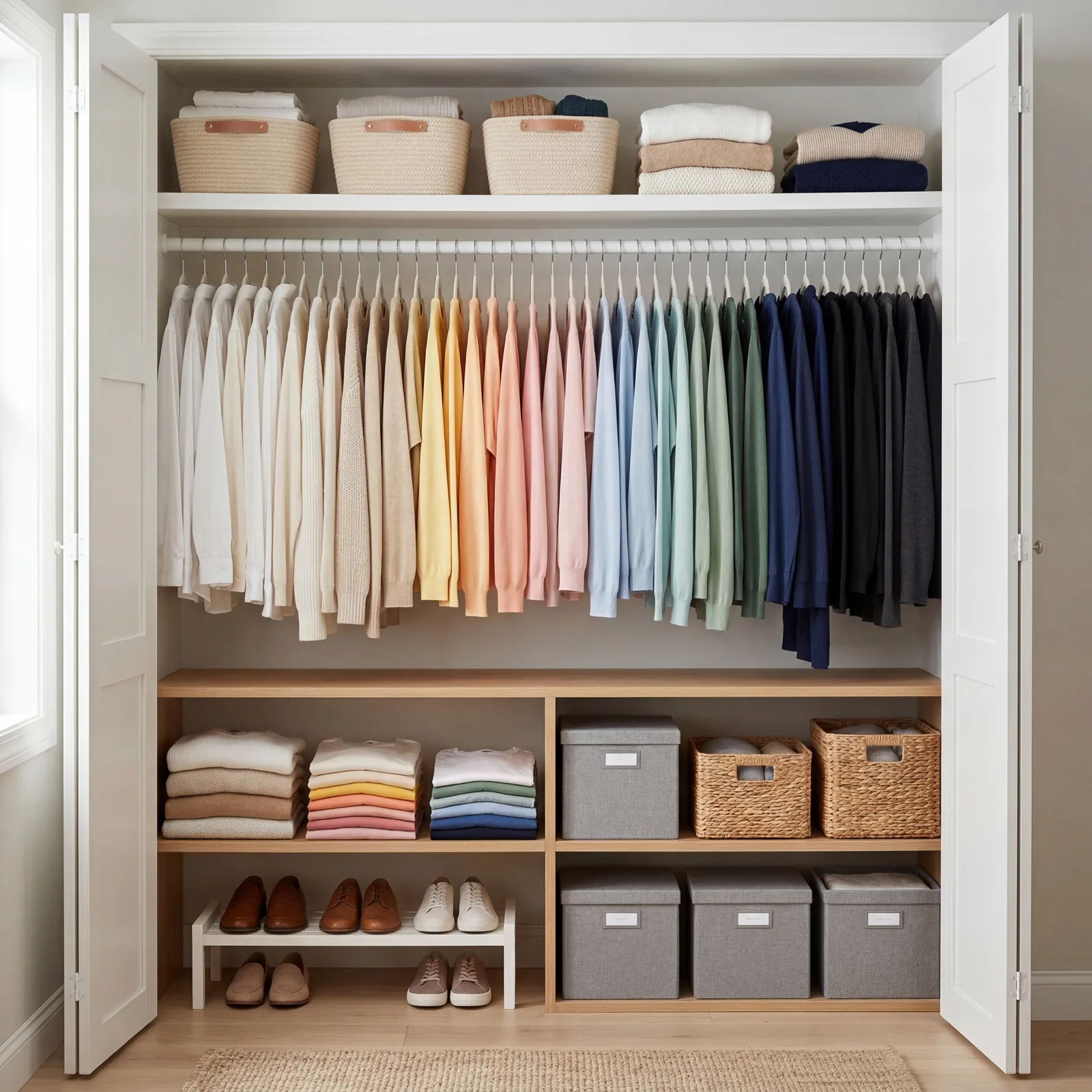
Closets get opened and judged in about four seconds.
A mix of wire, plastic, and wooden hangers looks chaotic even when the clothes are neat. It makes buyers wonder if there’s enough storage.
A set of 50 matching slim velvet hangers costs under $15. One afternoon to rehang everything.
A well-organized closet makes buyers feel like the home has been cared for. A jumbled one makes them nervous.
The next few get overlooked by most sellers. That’s exactly why they matter.
22. Fold Fresh White Towels Hotel-Style in Every Bathroom

Buyers walk into bathrooms expecting to feel reassured or repelled.
Fresh, white, matching towels folded in thirds and hung evenly signal cleanliness and care. It’s the fastest way to make a dated bathroom feel intentional.
White towels cost $8 to $12 each. Fold them once, stage them, and don’t use them again until the home sells.
Hotel rooms feel luxurious partly because of the towels. You can replicate that in 10 minutes.
21. Replace Outdated Cabinet Hardware Throughout the Kitchen
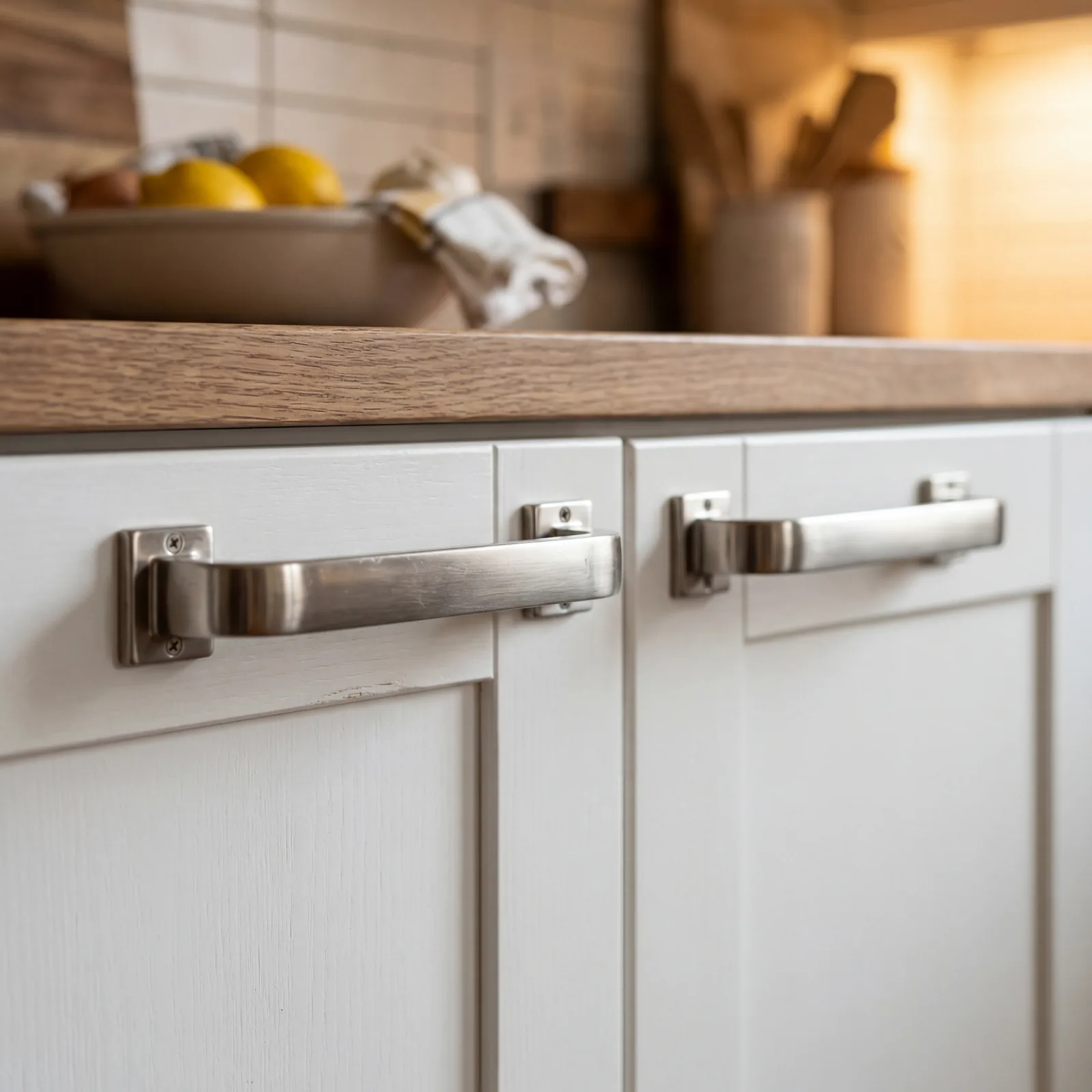
Brass pulls from 1992 date a kitchen faster than the countertops do.
Swapping to brushed nickel, matte black, or satin brass costs $3 to $8 per handle. A kitchen with 20 handles runs $60 to $160 total.
It takes a screwdriver and an afternoon. Buyers notice. They rarely know why, but the kitchen suddenly feels updated.
New hardware is the most effective dollar-per-dollar upgrade in the whole house.
20. Clear Kitchen Countertops Down to Three Items or Fewer
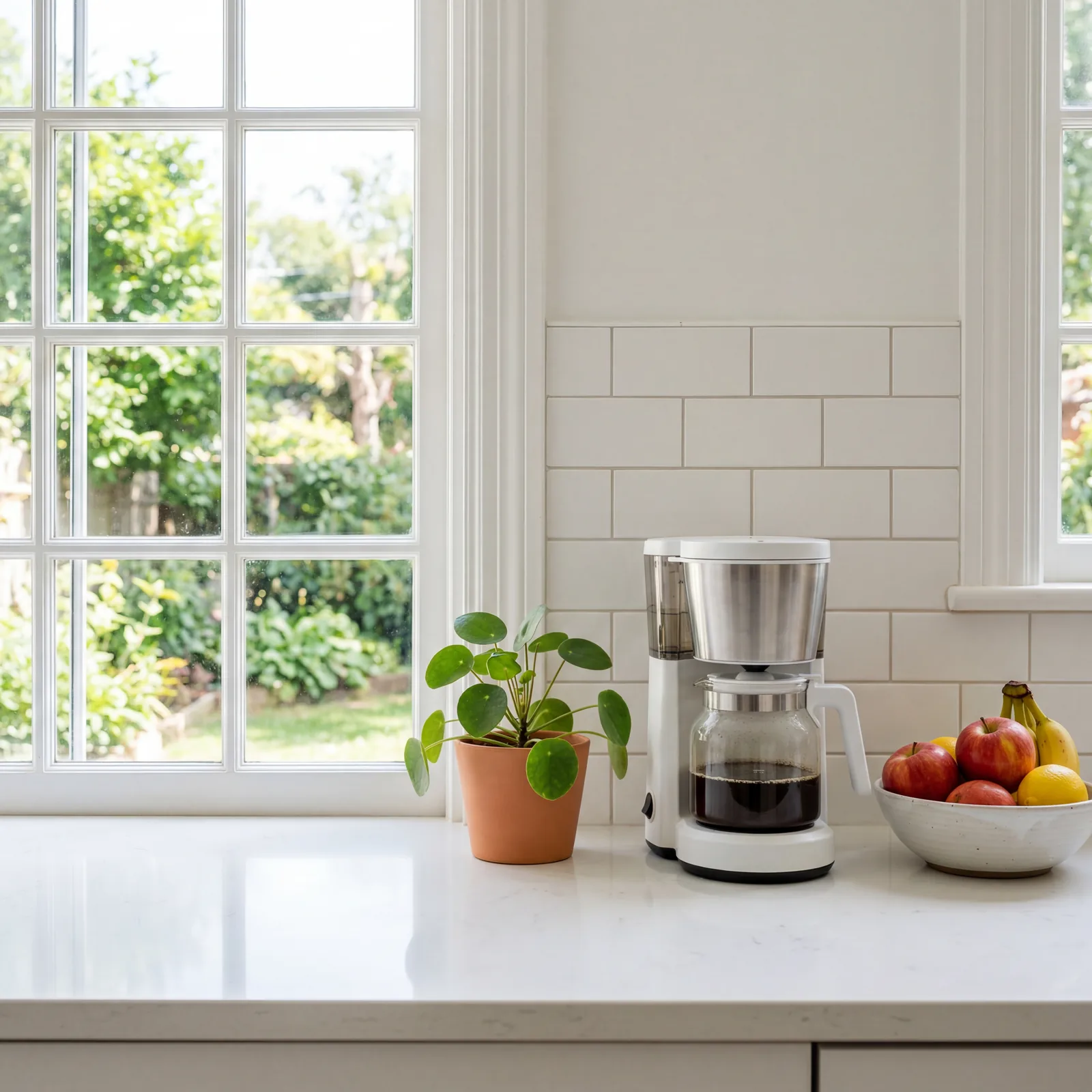
A counter covered with appliances, mail, and miscellany looks like a small kitchen even when it isn’t.
Three items maximum: one appliance, one plant or fruit bowl, one decorative object. Everything else goes in a box.
Buyers measure counter space visually, not with tape. More open counter equals bigger kitchen in their mind.
This costs nothing. Sellers still skip it because it means hiding things they use every day.
19. Stage the Dining Table as if Guests Are on Their Way
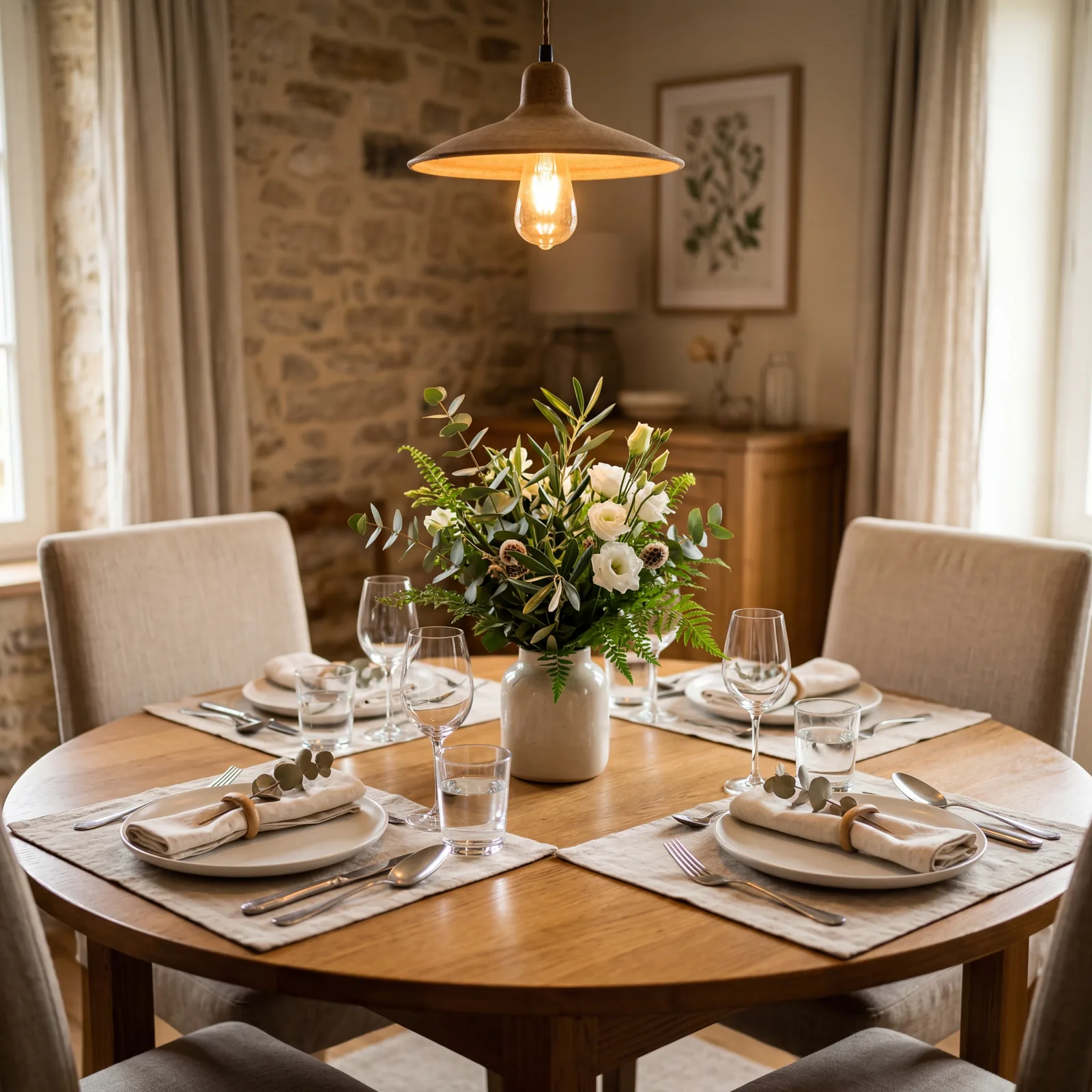
An empty dining table says dormant. A set table says this is a home where people gather.
It takes 10 minutes and tells a story buyers want to buy into. Don’t use your everyday dishes. Use a clean, neutral set or simple white plates.
A small centerpiece of fresh greenery or a few candles completes the picture.
Staging is storytelling. The dining table is one of the easiest chapters to write.
18. Add Mirrors to Dark or Small Rooms
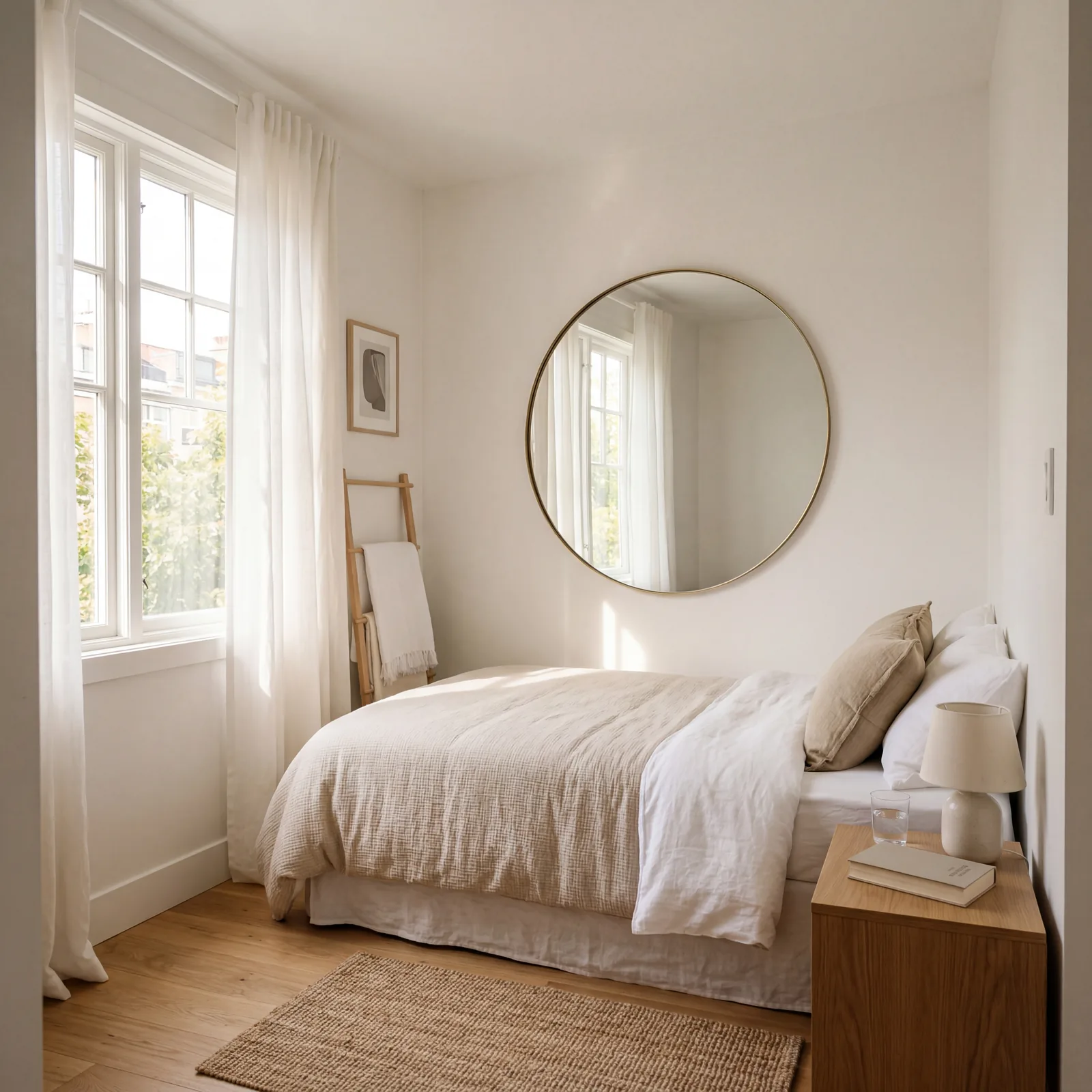
Mirrors are the cheapest square footage you’ll ever buy.
A large mirror opposite a window doubles the perceived light in the room. A well-placed mirror in a hallway makes a narrow space feel twice as wide.
A 24-inch round mirror runs $30 to $60 at any home goods store. The same effect from an architect costs several thousand.
Buyers don’t see the mirror. They just feel like the room is bigger than it is.
Most staging consultants spend 30 minutes on this alone. It’s that reliable.
17. Remove Half the Items From Every Shelf and Bookcase
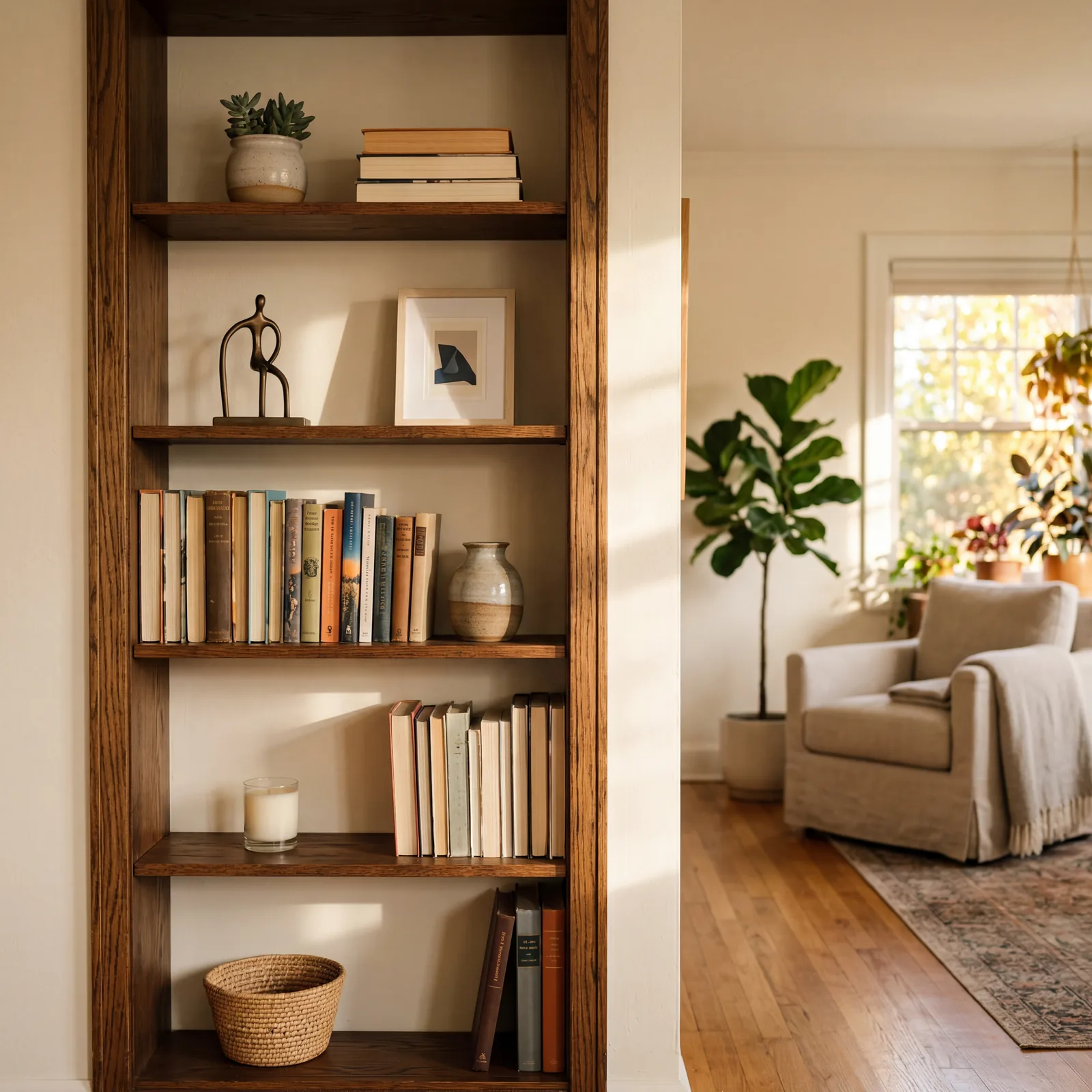
A packed shelf says clutter. A curated shelf says taste.
Go through every shelf, every bookcase, every display surface. Remove at least half. What’s left should have breathing room around it.
Box the rest. Put it in storage. Buyers read every shelf and surface as a signal of how much space the home offers.
Less is more. Every professional stager knows this. Most sellers ignore it because they live there.
16. Fix All Dripping Faucets and Running Toilets Before the First Showing
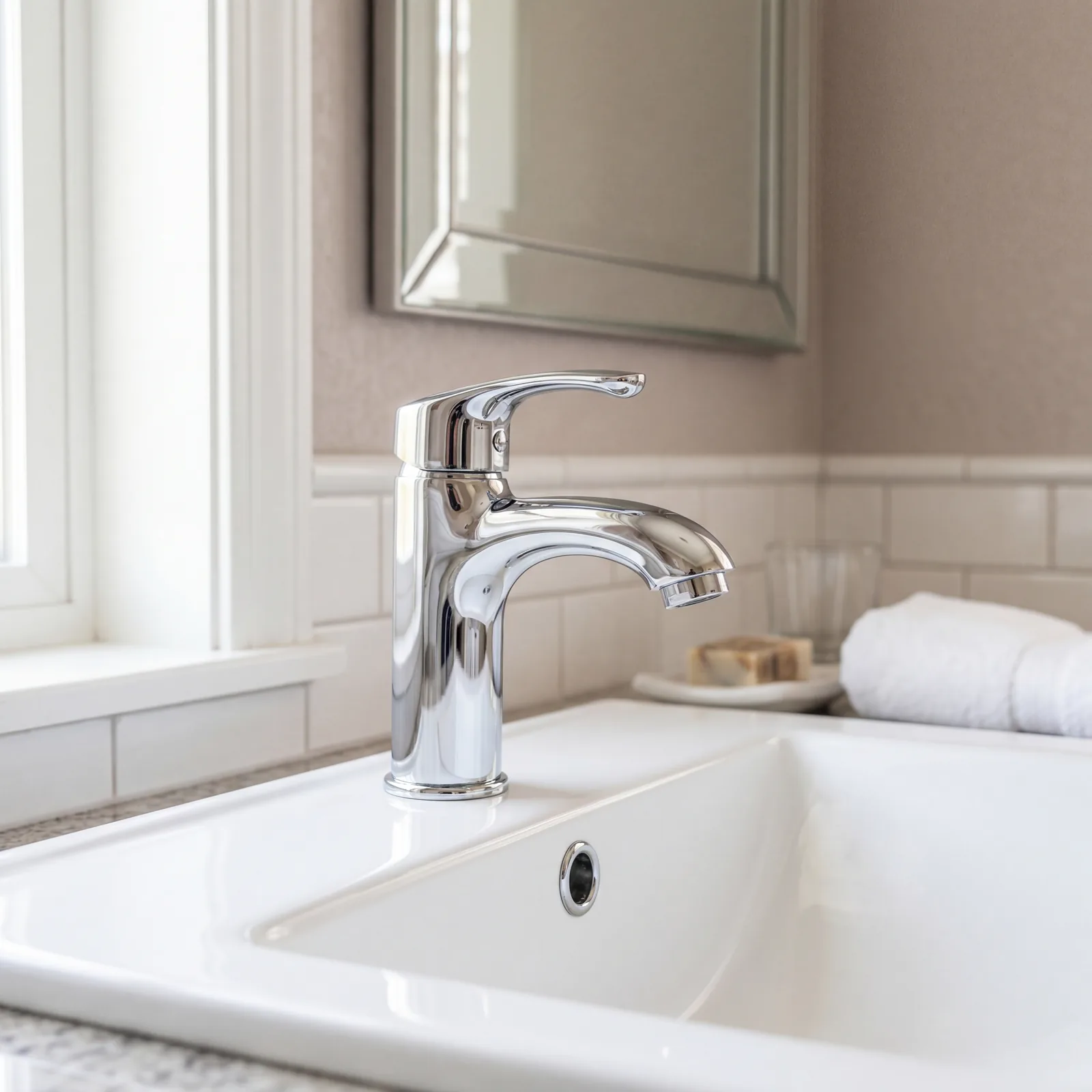
A running toilet or dripping faucet is the first thing a buyer’s inspector will flag.
It plants doubt. If the faucet drips, what else has been ignored? A buyer’s mind fills in the blanks, and it’s never flattering.
A new washer costs $2. A plumber costs $80 to $150. Both are far cheaper than a buyer reducing their offer by $3,000 because they’re nervous.
Fix it before anyone walks through the door.
15. Replace Builder-Grade Light Fixtures in the Entry and Living Room
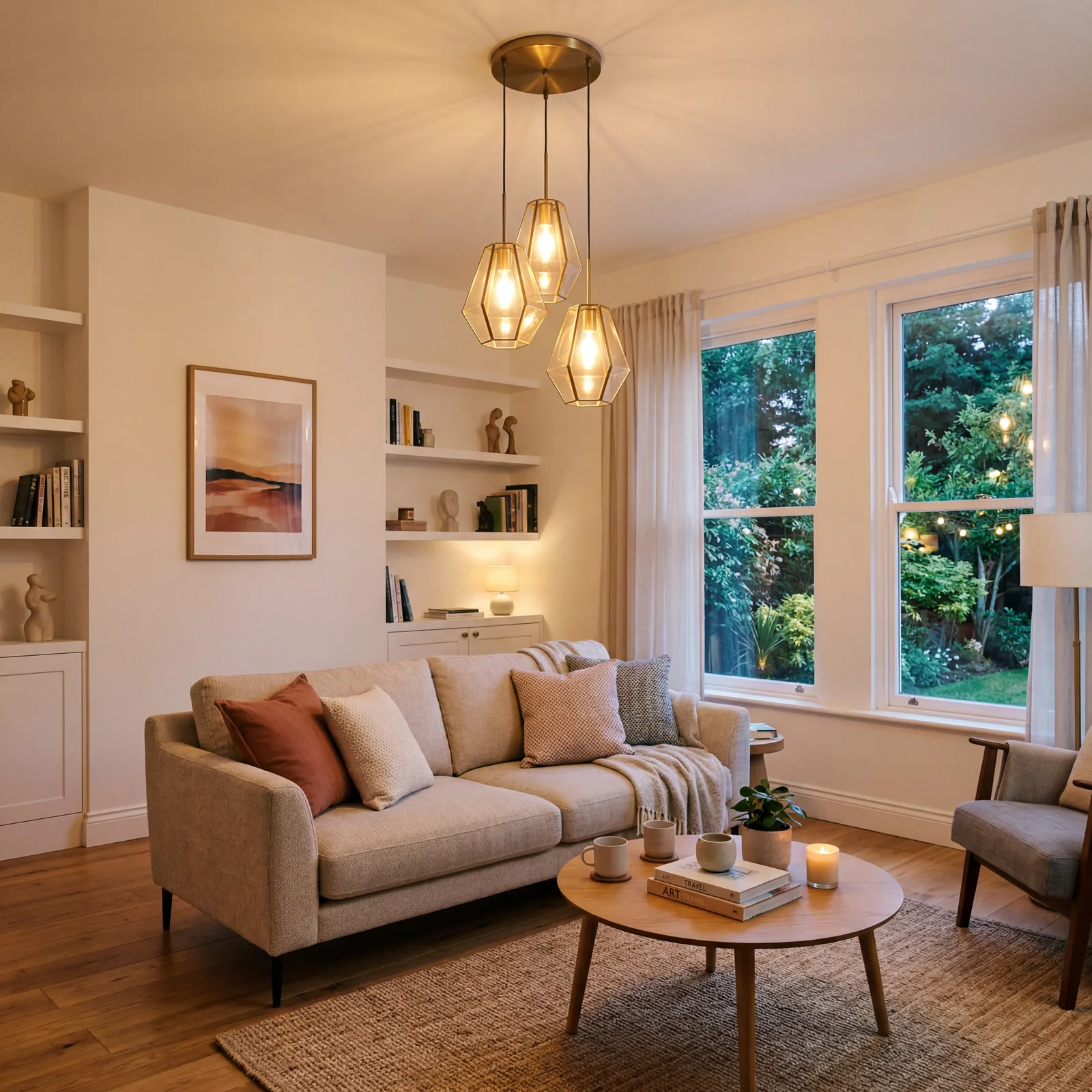
Builder-grade fixtures are the first thing interior designers remove. Buyers clock them immediately.
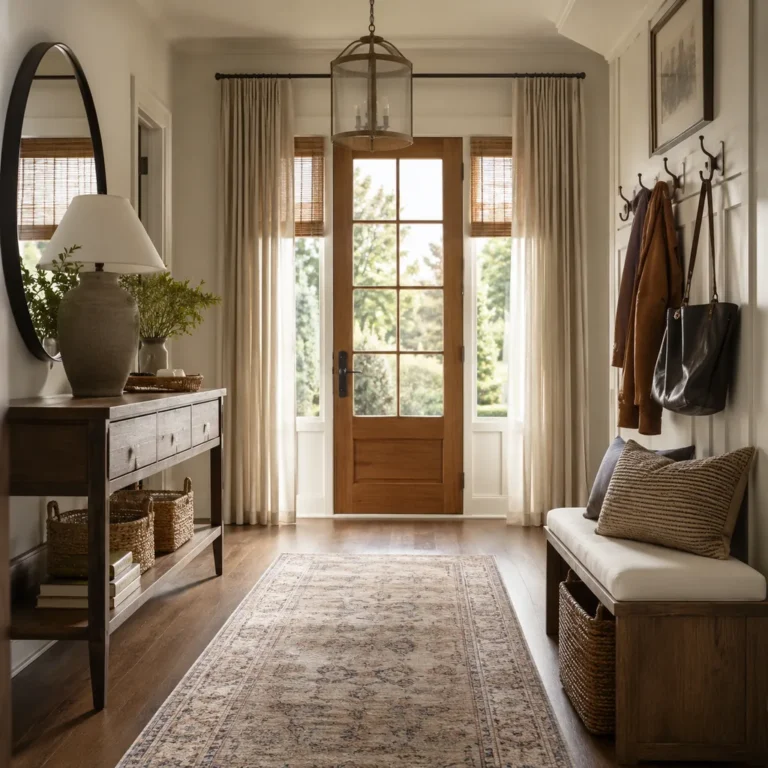
The entry chandelier and the main living room fixture are the two highest-impact swaps in the house. Both can be replaced for $80 to $200 each.
An updated fixture tells buyers the home has been cared for beyond basic maintenance.
You don’t need to electrify the whole house. Just the first room they see.
14. Power Wash the Driveway and Front Walkway
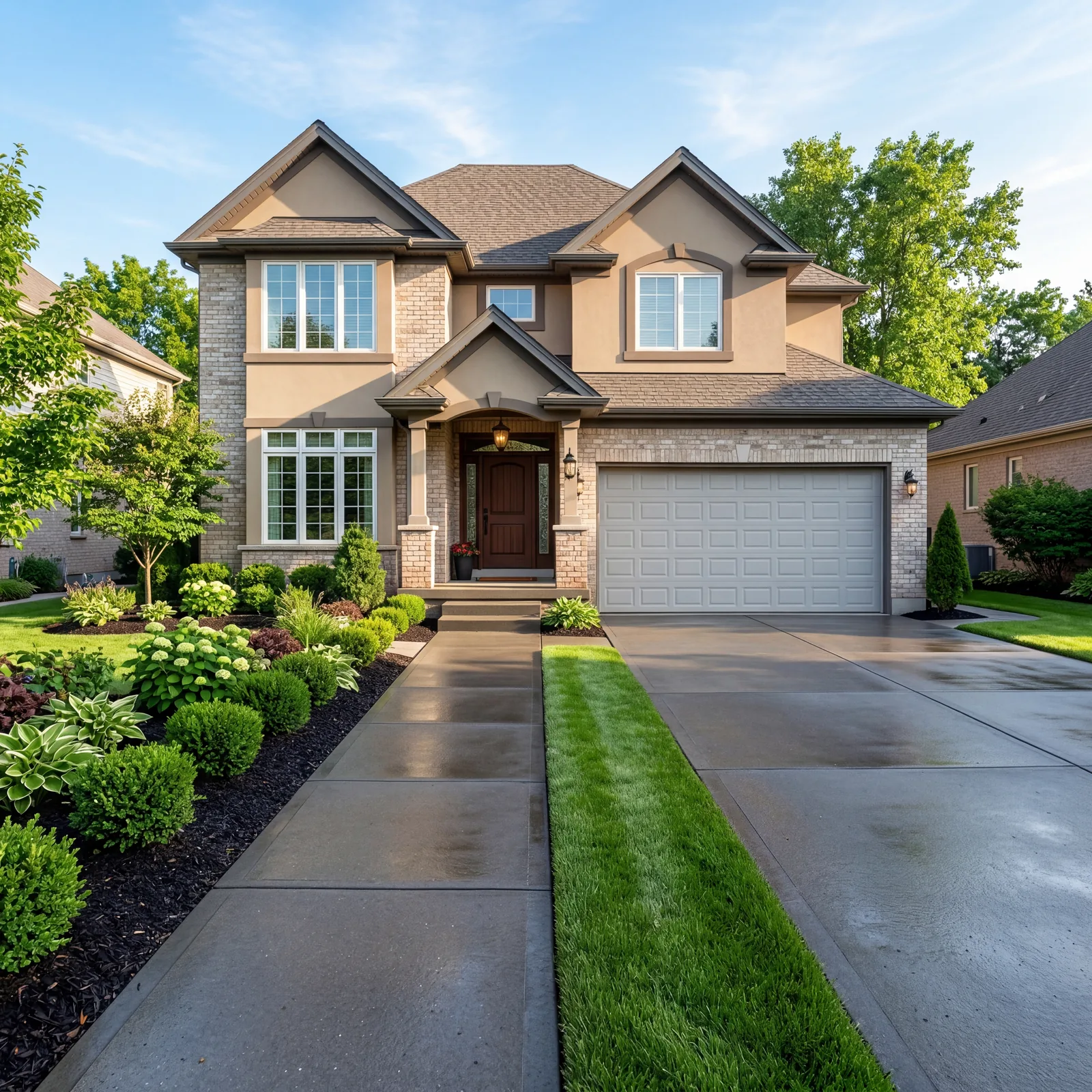
A grey, stained driveway makes the house look older than it is.
Power washing removes years of grime, tire marks, and weather damage in two hours. A rental runs $60 to $80 for half a day. Hire someone for $150 to $200.
The before and after is dramatic. The driveway goes from neglected to new.
Buyers form an opinion about a house before they get out of the car. Make sure that opinion starts clean.
The next one is one of the highest-return changes on this entire list.
13. Paint the Front Door a Classic Bold Color
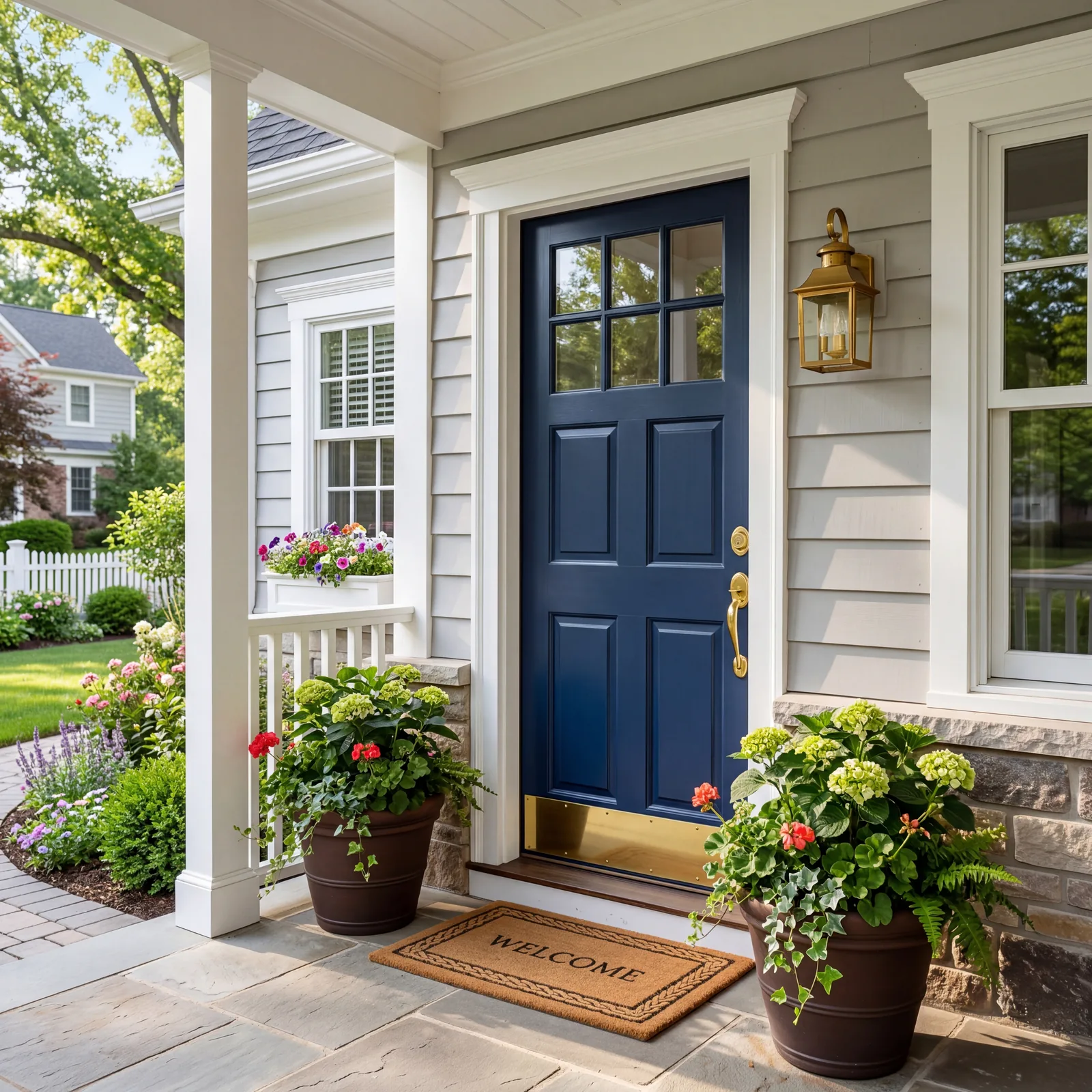
A front door in a standout color adds memory. Buyers picture telling friends “the one with the navy door.”
Classic bold colors that consistently perform well: navy blue, deep red, forest green, black. Avoid trendy colors that date quickly.
A quart of exterior paint costs $20 to $35. Four hours to prep and paint.
The front door is the face of the home. It’s the photograph that goes on every listing sheet.
12. Move Furniture Away From the Walls
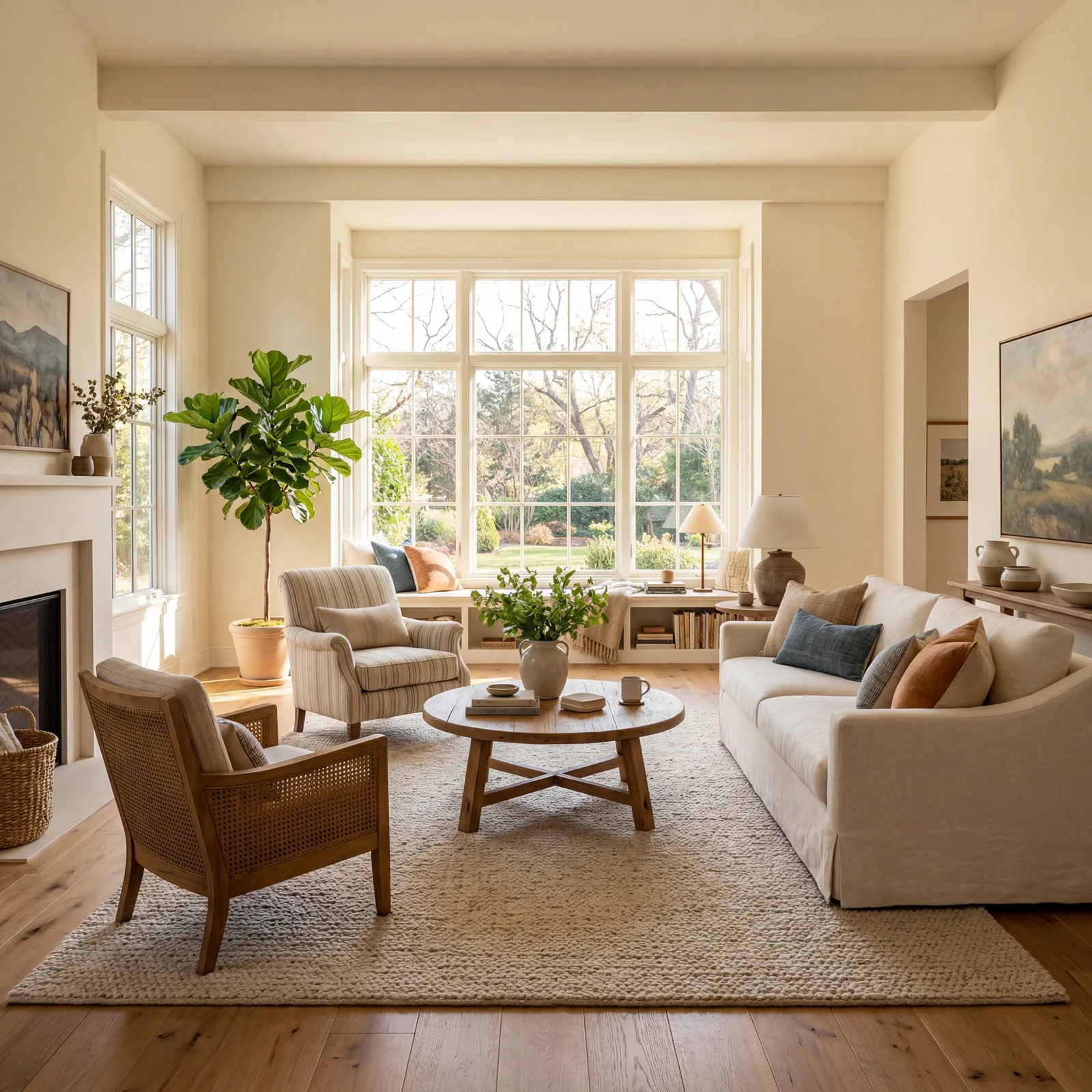
Pushing every piece of furniture against the wall doesn’t make a room feel bigger. It makes it feel like a waiting room.
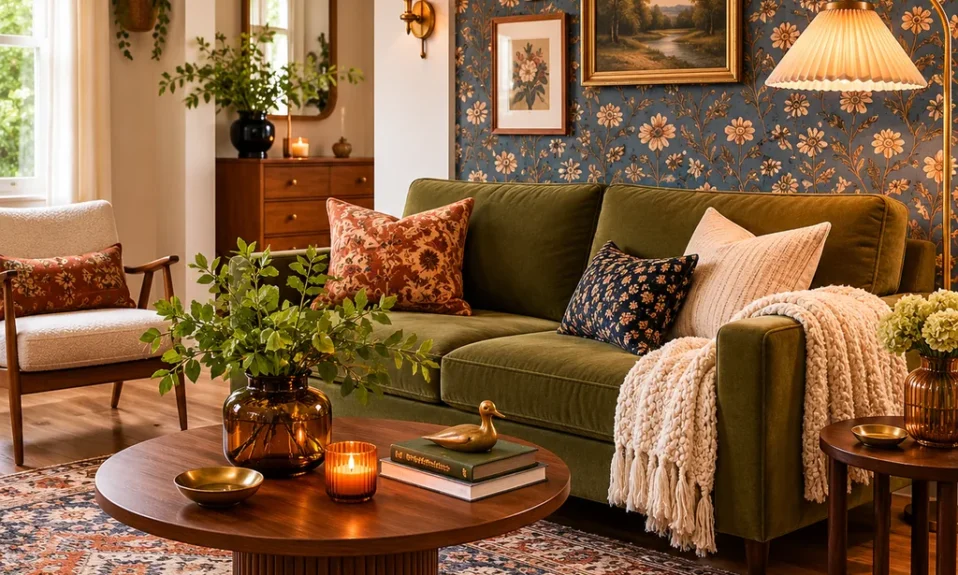
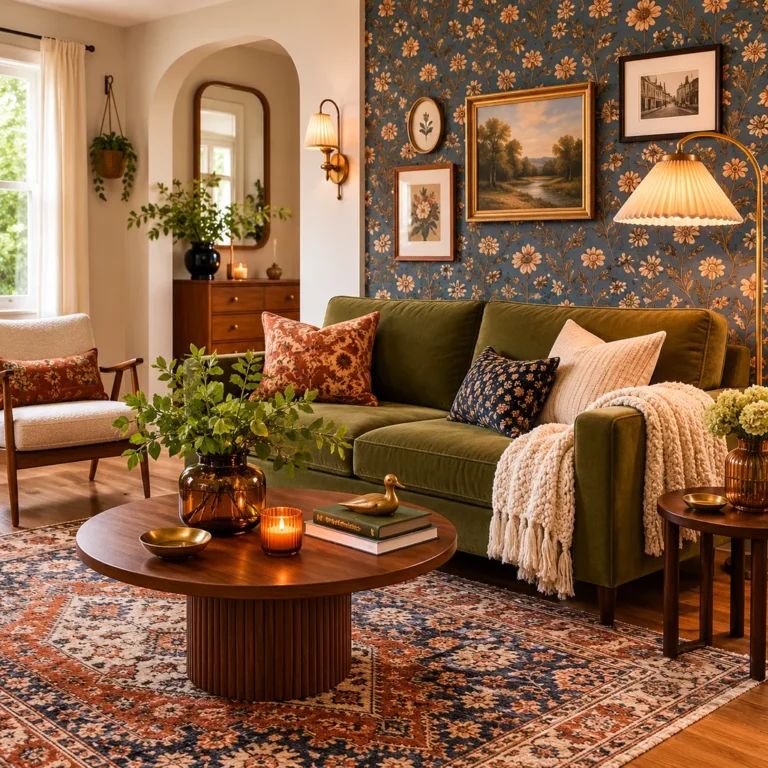
Pull sofas and chairs into groupings. Float them in the space. An area rug anchors the arrangement and defines the zone.
This is the single most common mistake in living room staging. Stagers fix it on every job.
Buyers walk into a room arranged for living and relax. They walk into furniture-against-walls and feel nothing.
11. Add One Real Plant or Fresh Flowers to Each Primary Room
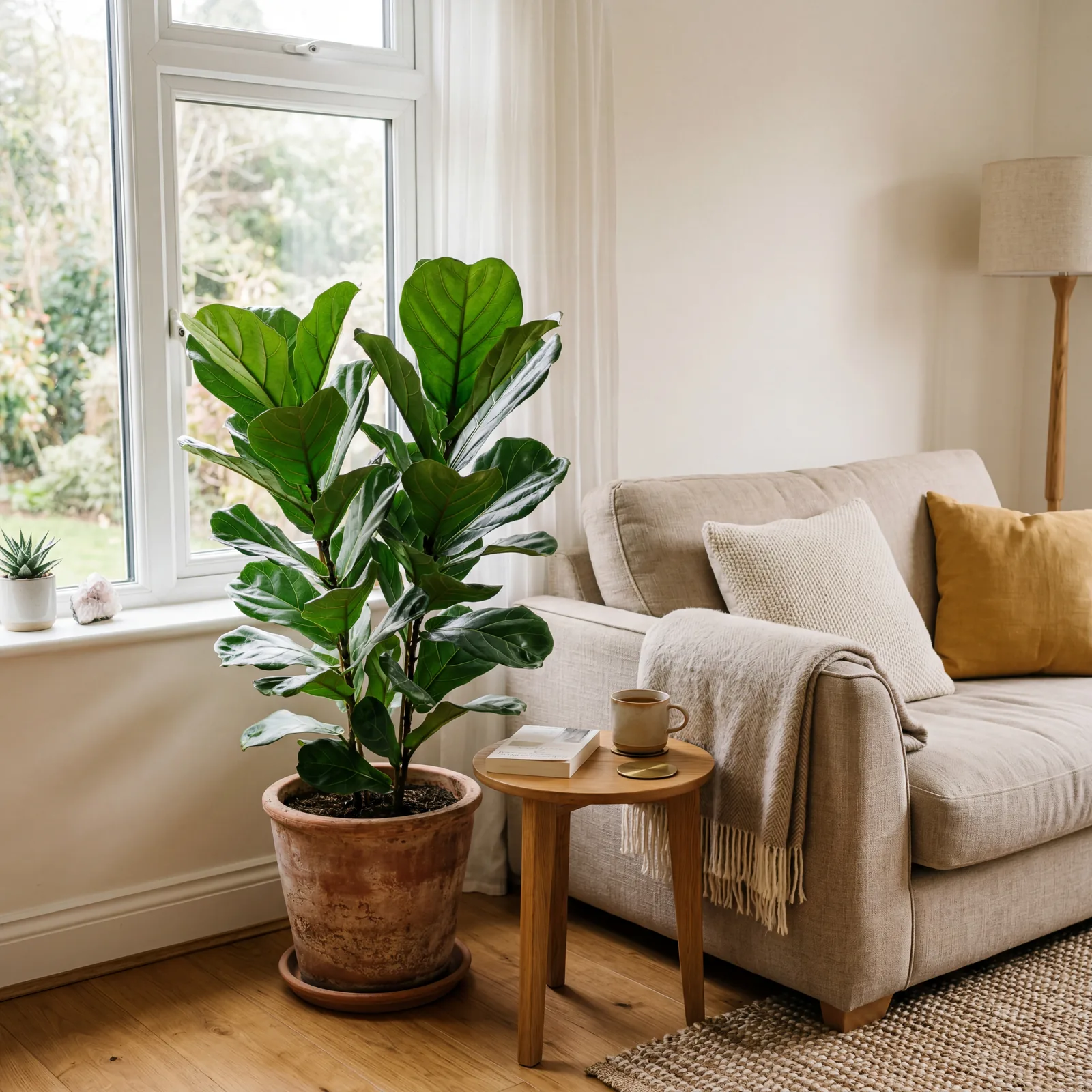
Living plants make a home feel alive in a way no decoration can replicate.
One large leafy plant in the living room and fresh flowers in the kitchen cost under $40 combined. They bring warmth, color, and life into spaces that can feel sterile after decluttering.
Buyers don’t consciously notice the plants. They just feel like the home has good energy.
Dead or dusty plants have the opposite effect. Use real ones. Maintain them.
10. Have the Carpets Professionally Cleaned Before Any Showing
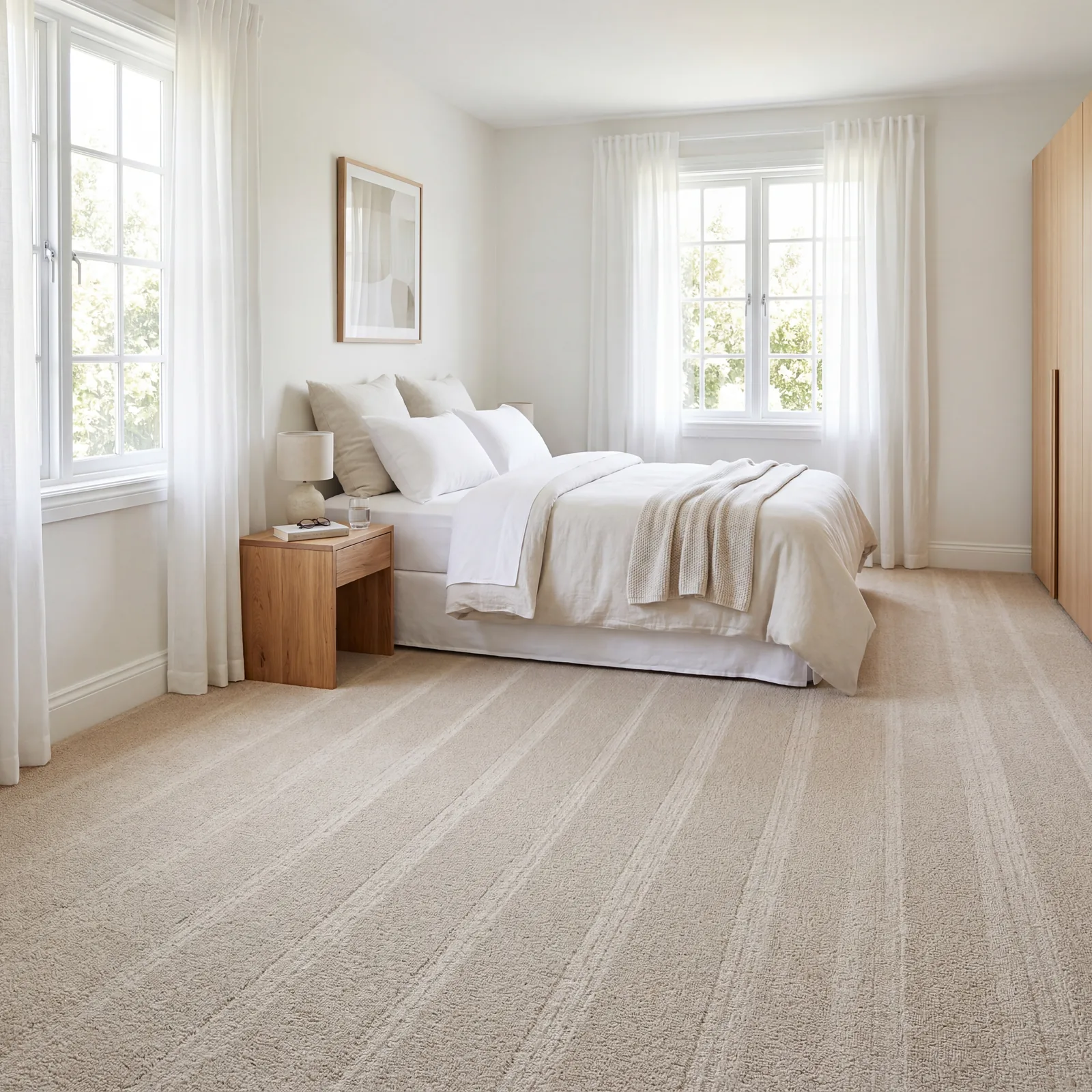
Carpet holds everything: pet hair, cooking odors, years of foot traffic.
Professional cleaning runs $120 to $250 for an average home. It removes the smell buyers can’t always name but always feel. It also extends the life of carpet that otherwise looks ready for replacement.
If cleaning doesn’t fully restore the carpet, offer a flooring credit in the listing. It’s cheaper than replacing it.
Clean carpet is one fewer reason to walk away.
9. Touch Up Every Scuff and Paint Streak on the Trim and Walls
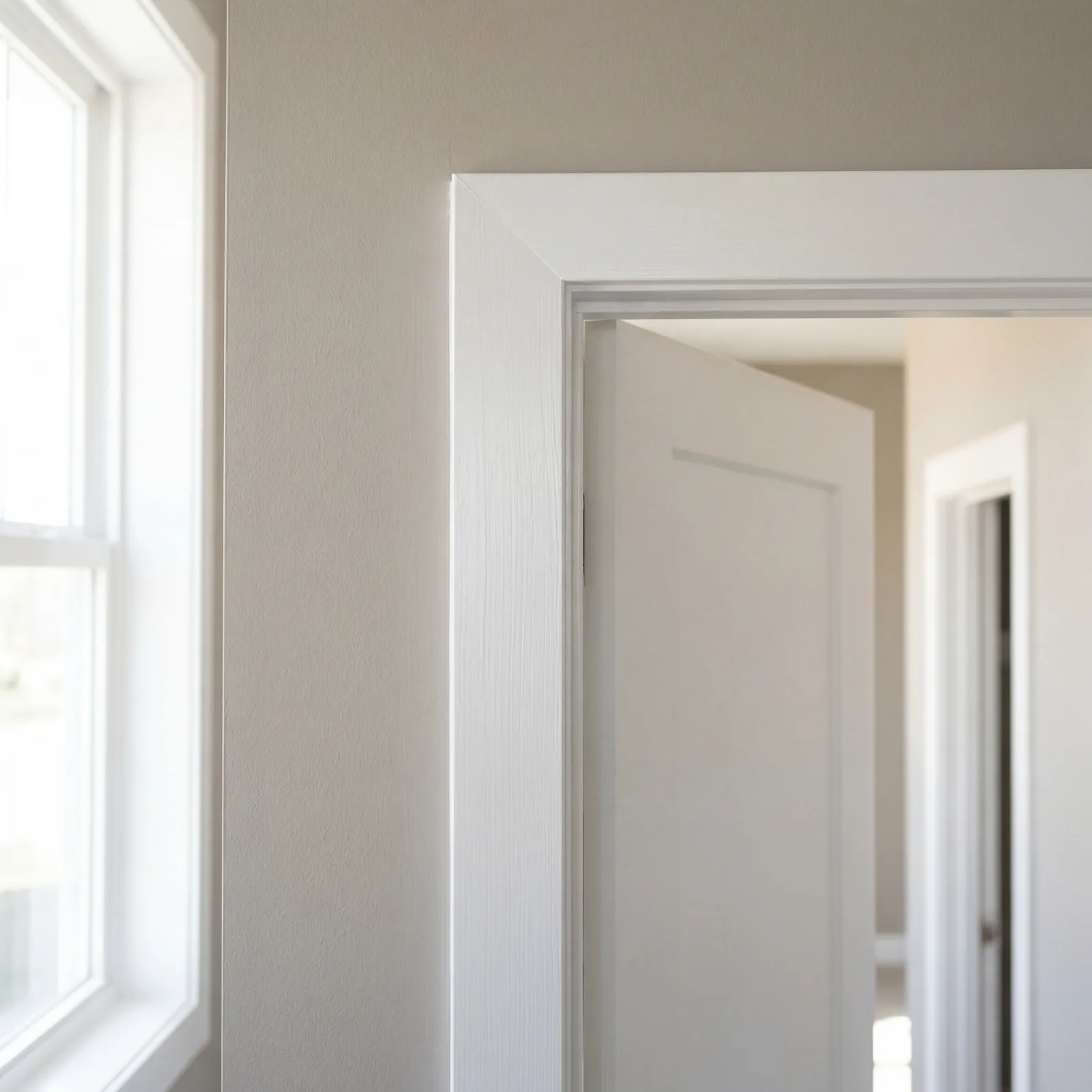
Buyers scan the walls like inspectors even when they’re not.
Scuffed baseboards, nicked door frames, and tired trim make a home feel older than it is. A quart of trim paint costs $25. Two hours fixes most of it.
Don’t repaint full walls unless they’re damaged or a polarizing color. Touch-ups on trim and doorframes are faster and more impactful per hour.
A clean edge tells a buyer the home has been maintained with attention.
This next one makes more difference than most sellers expect.
8. Stage the Primary Bedroom Like a High-End Hotel Room
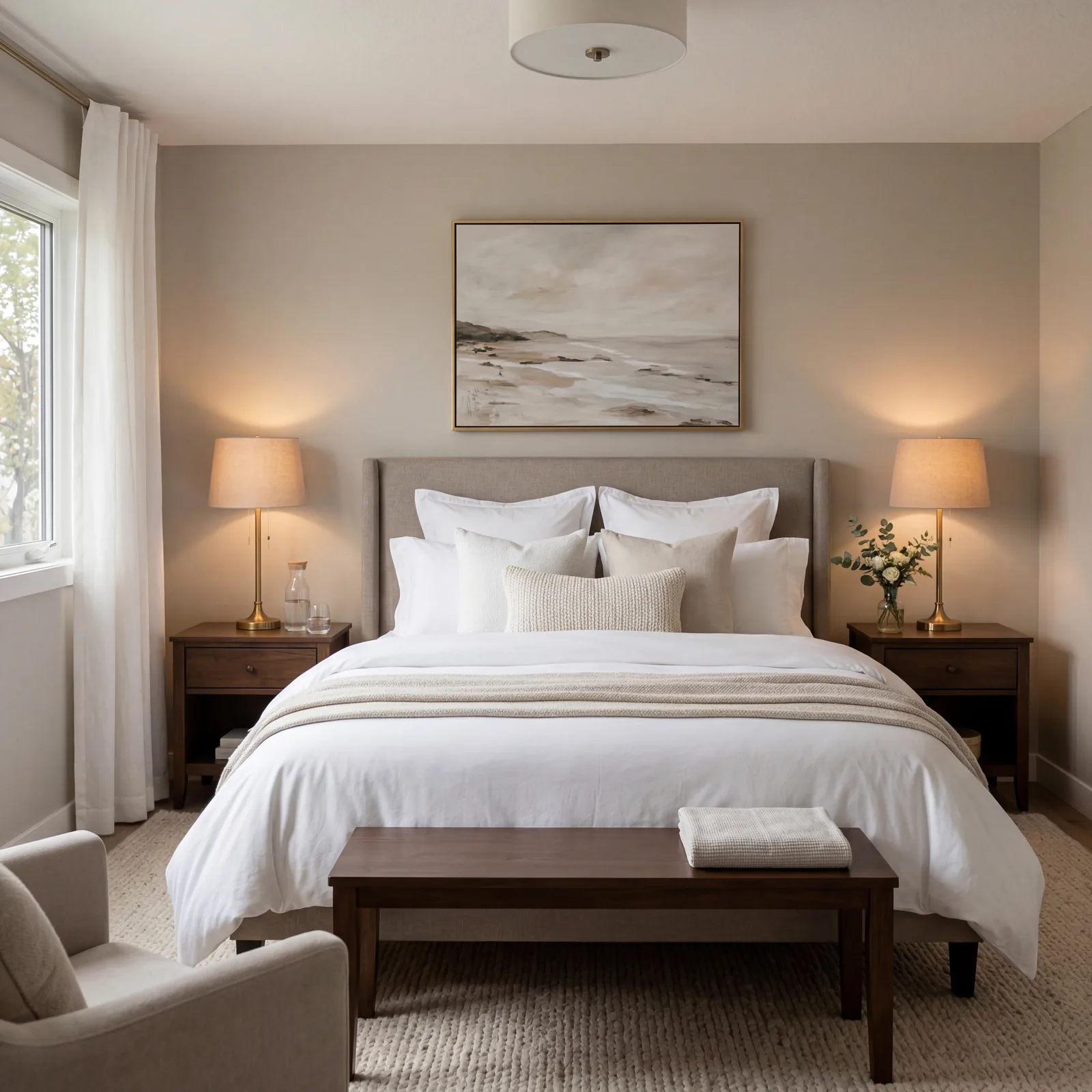
The primary bedroom is where buyers decide if this is home. Give them something to fall into.
Crisp white bedding, two matching nightstands, two small lamps, and a clean pillow arrangement create a room that photographs beautifully and shows even better.
Pull out the personal knick-knacks, the mismatched pillows, and anything sitting on the mirror. One piece of simple wall art above the bed is enough.
Buyers should feel like they’re checking into somewhere luxurious. Then they realize they could live here.
7. Repaint the Interior in a Warm White or Soft Greige
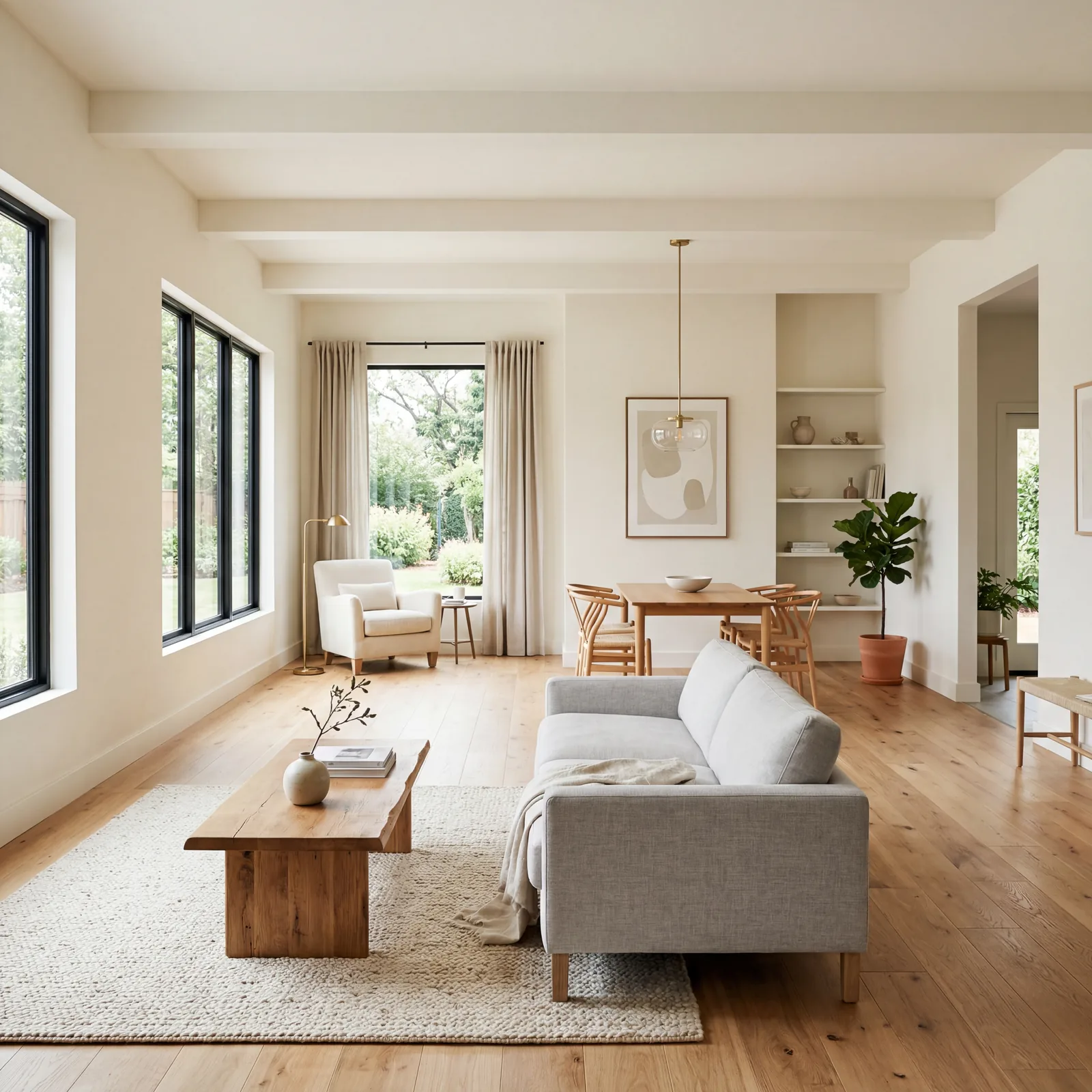
Paint is the highest-return renovation in real estate. No exceptions.
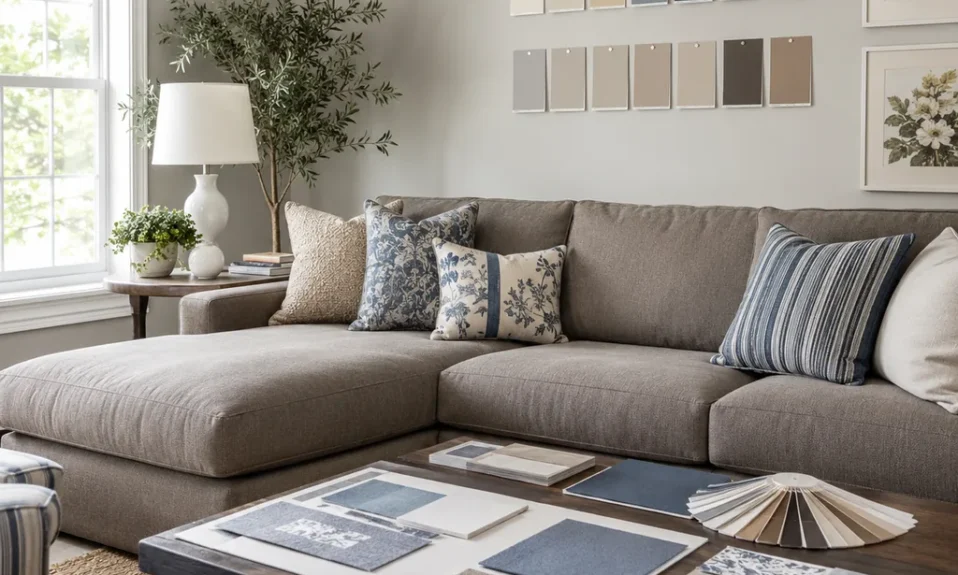
A full interior repaint in Sherwin-Williams Accessible Beige (SW 7036) or Benjamin Moore White Dove (OC-17) runs $1,500 to $3,500 depending on size. It returns that investment multiple times in offer price.
Bold color is personal. Neutral is universal. A buyer’s imagination runs free in a warm, neutral space.
Paint is always cheaper than a price reduction.
6. Stage the Outdoor Living Area as a Usable Room
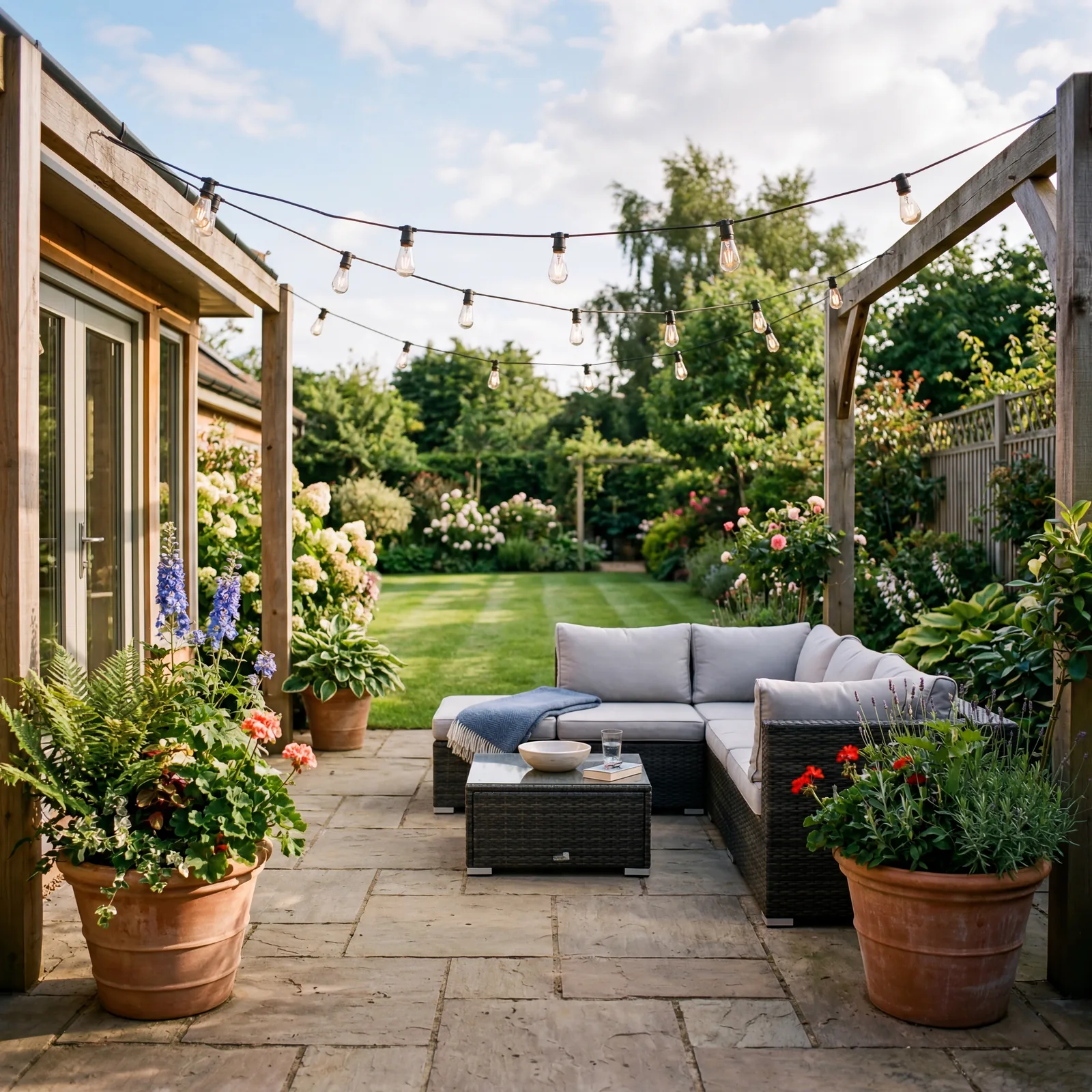
Most sellers treat their outdoor space as an afterthought. Most buyers consider it an extension of the home.
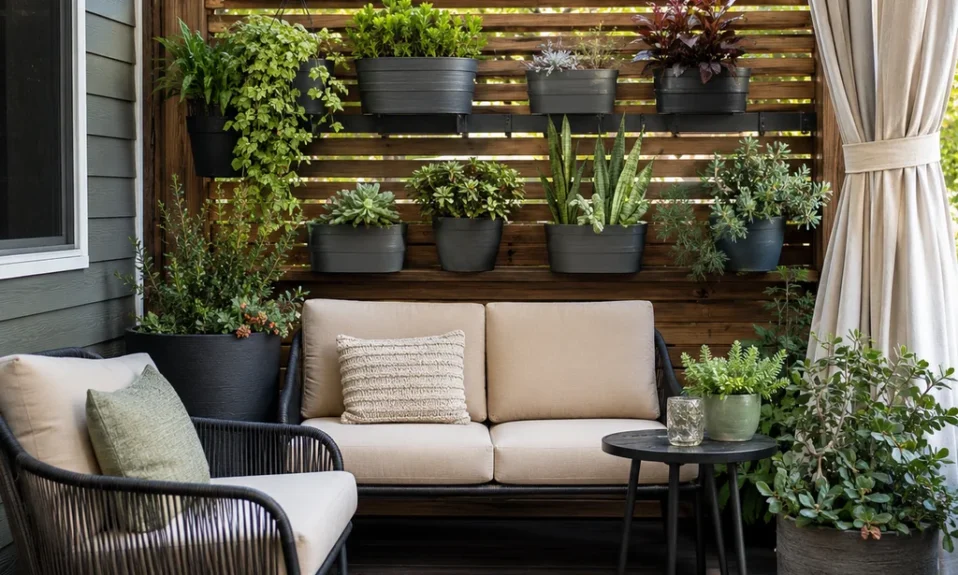
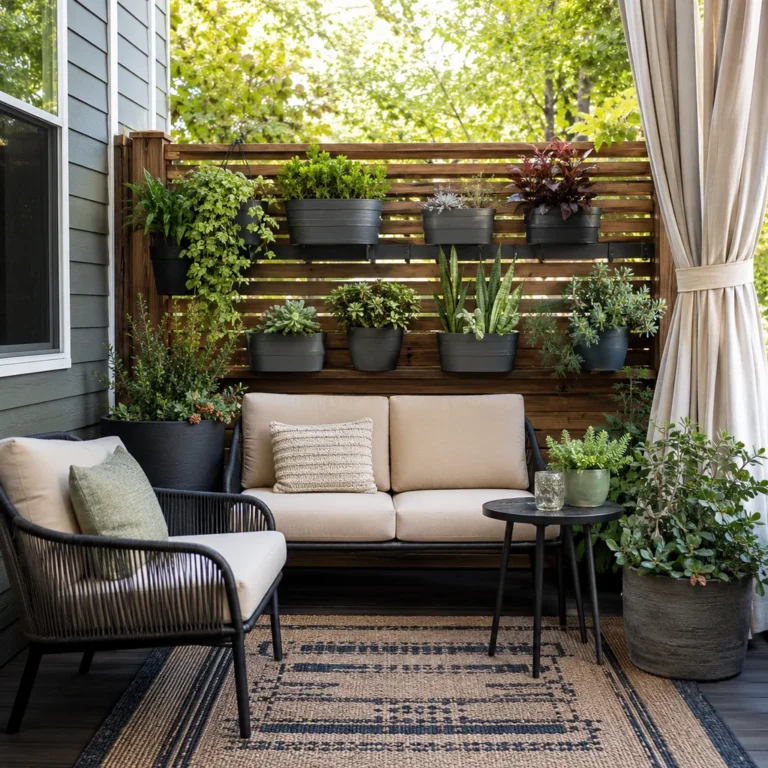
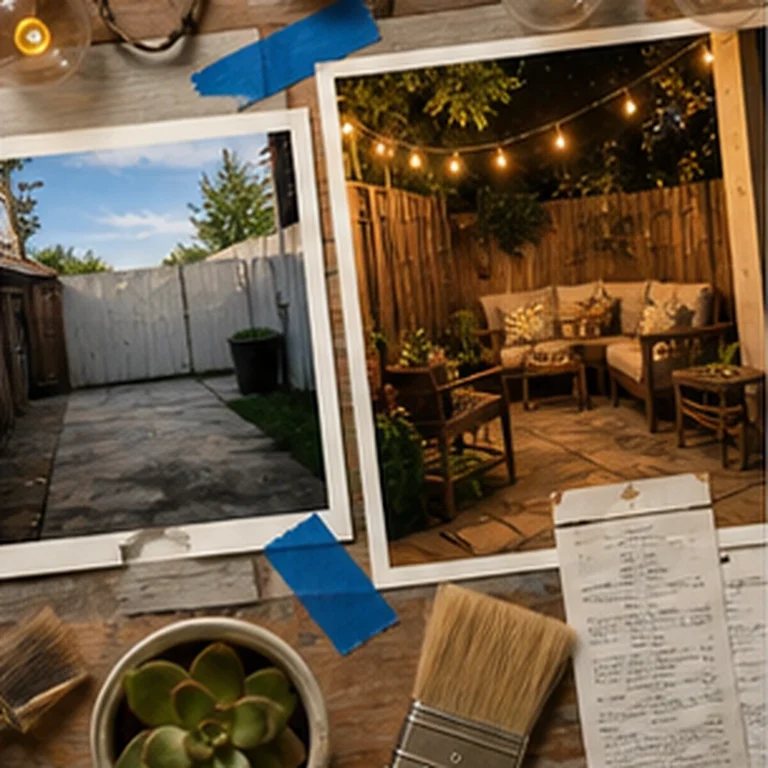
A clean patio set, two potted plants, and outdoor string lights cost under $200 total. They turn a concrete slab into a room buyers can imagine using every evening.
Power wash the deck or patio surface. Remove any broken or worn furniture. Add a simple outdoor rug if the surface is plain.
Outdoor staging consistently adds value that exceeds its cost. It’s the most underused lever on this list.
5. Replace the Toilet Seat in Every Bathroom
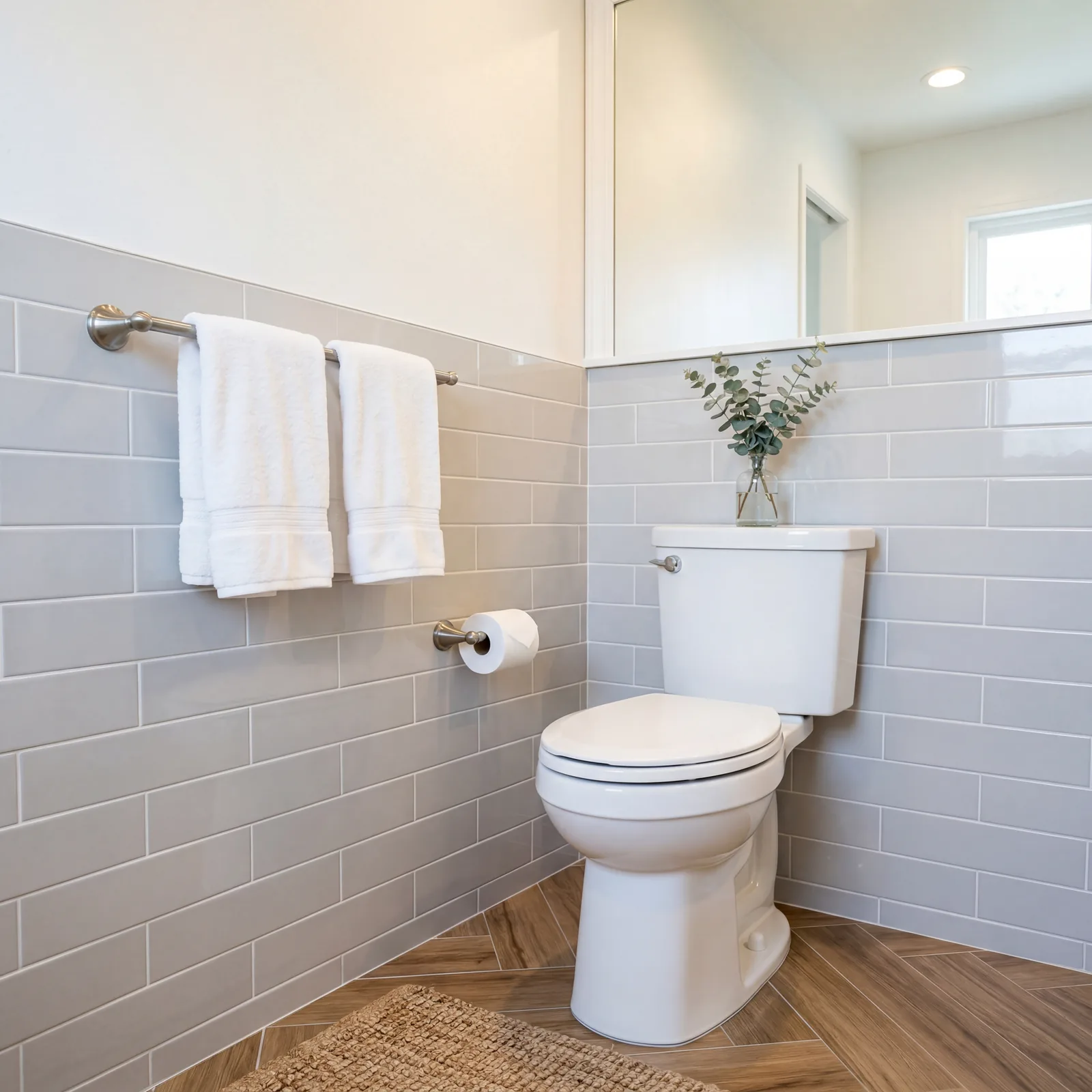
Toilet seats age in ways that are hard to explain and impossible to miss.
Yellowing, staining, and worn hinges signal neglect more viscerally than almost any other detail in the home. Buyers don’t discuss it. They just feel it.
A replacement seat costs $25 to $40 at any hardware store. It takes 10 minutes to install.
It’s the cheapest upgrade with the highest disgust-prevention value on this entire list.
4. Remove 30 to 40 Percent of Your Total Furniture Before the First Showing
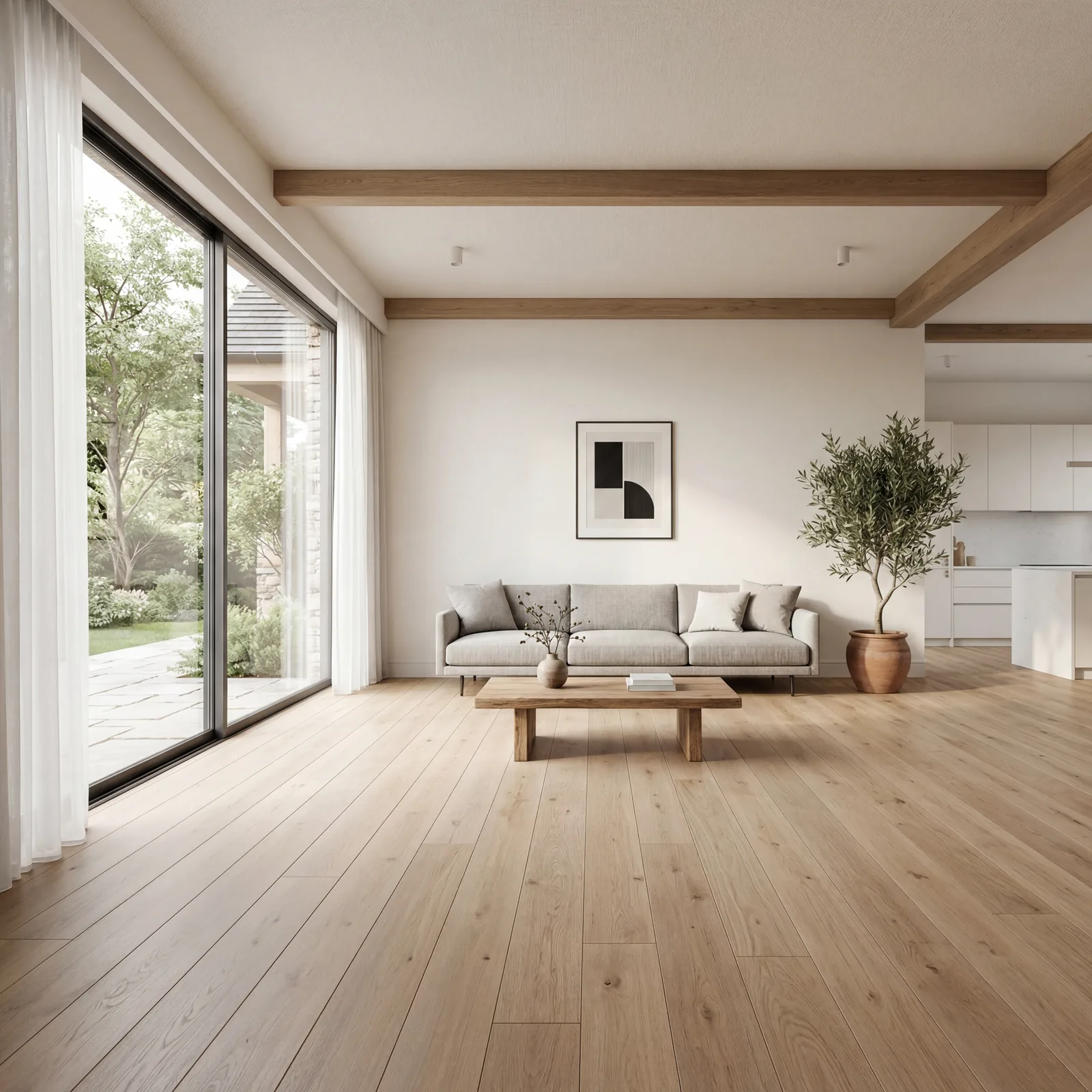
Buyers buy space. Not furniture.
A home filled with the family’s full complement of sofas, armchairs, and sideboards looks smaller than it is. Remove a third of everything. Put it in storage or a pod.
Storage pods run $50 to $150 per month. The average home sells faster by 3 to 5 weeks after decluttering at this scale.
You can’t charge more for a home that feels full. You can for one that feels expansive.
3. Make the Kitchen Feel Larger Than It Is
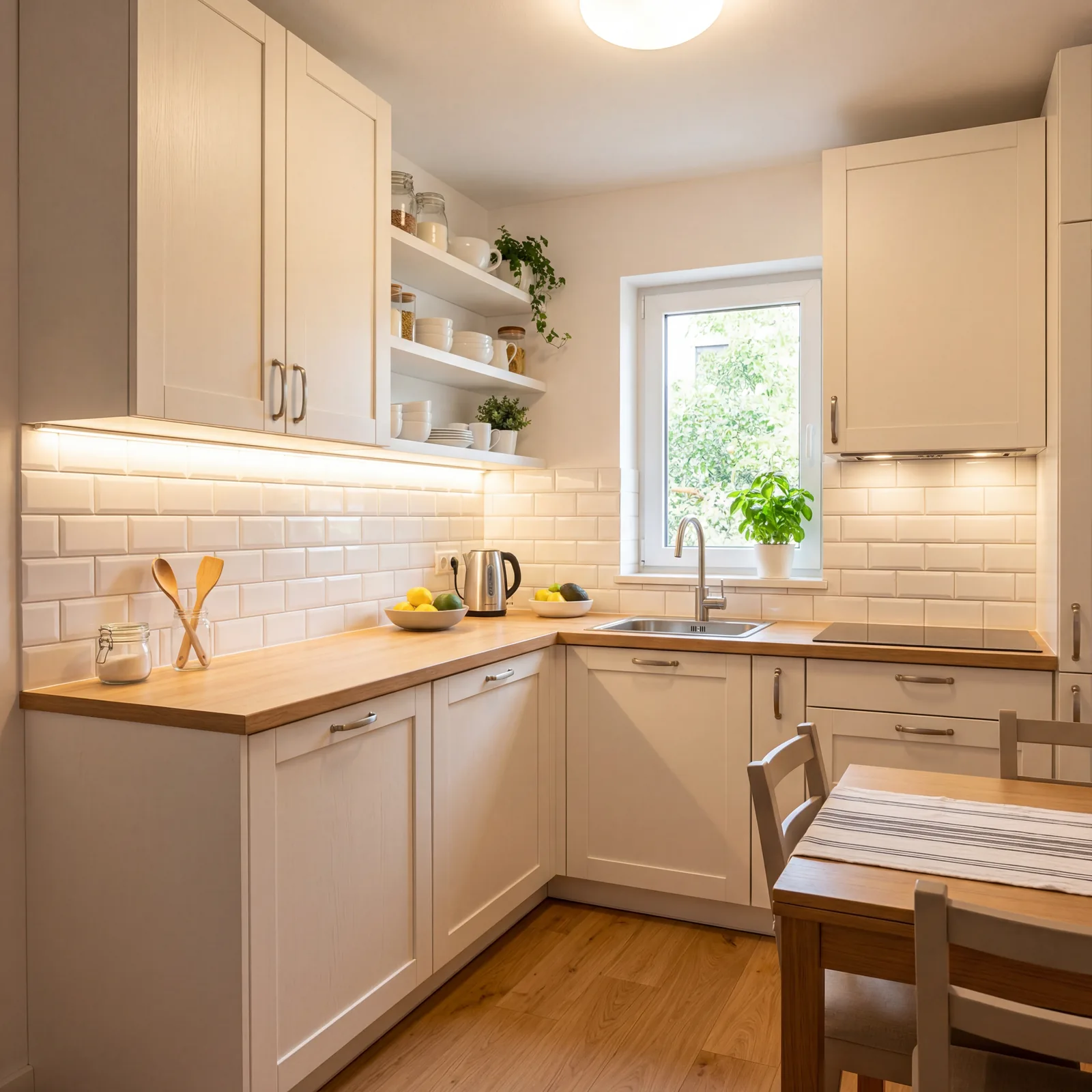
The kitchen sells the house. Every agent knows this.
Remove everything from the countertops except three items. Add under-cabinet lighting if it’s not there already. Plug-in LED strips cost $25. Replace any dim bulbs in the range hood with bright warm LEDs. Clear the refrigerator of magnets.
Buyers spend more time in the kitchen than any other room during a showing. Every visual impression is amplified.
A kitchen that feels spacious and bright gets offers. One that feels cramped and dark gets questions.
2. Get Professional Photography Before the Listing Goes Live

Buyers see photos before they see your home.
Most of your showings are decided in 30 seconds based on listing photos. A dark, cluttered, poorly angled photo of your best room tells buyers to keep scrolling. Professional listing photography runs $200 to $400 and typically includes twilight shots and floor plans.
Agents who skip professional photography save $300 and lose thousands.
It’s bad. But it doesn’t come close to what’s waiting at #1.
1. Eliminate Every Source of Odor Before the First Showing
The Fastest Way to Kill a Sale
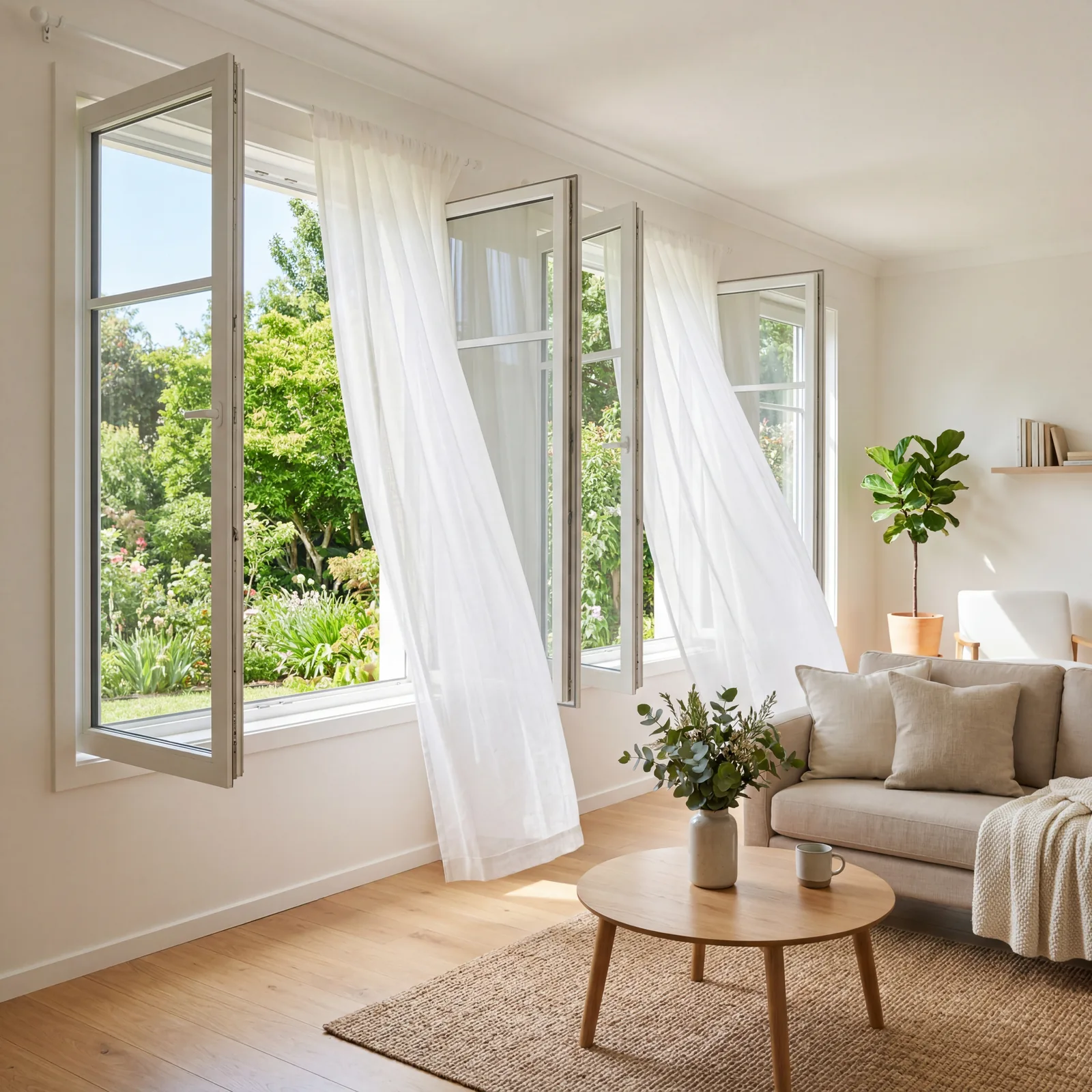
Buyers decide in the first seconds whether they want to be inside your home. Smell decides faster than any other sense.
Pet odor, tobacco, strong cooking smells, and mustiness are the four most common silent deal killers in residential real estate. A buyer can’t unknow what they’ve smelled. They can overlook dated fixtures. They can’t overlook the feeling that the home is contaminated.
Professional odor treatment runs $150 to $300. Air purifiers help but don’t replace it. Candles and diffusers make it worse. Buyers know you’re masking something, and it raises every red flag at once.
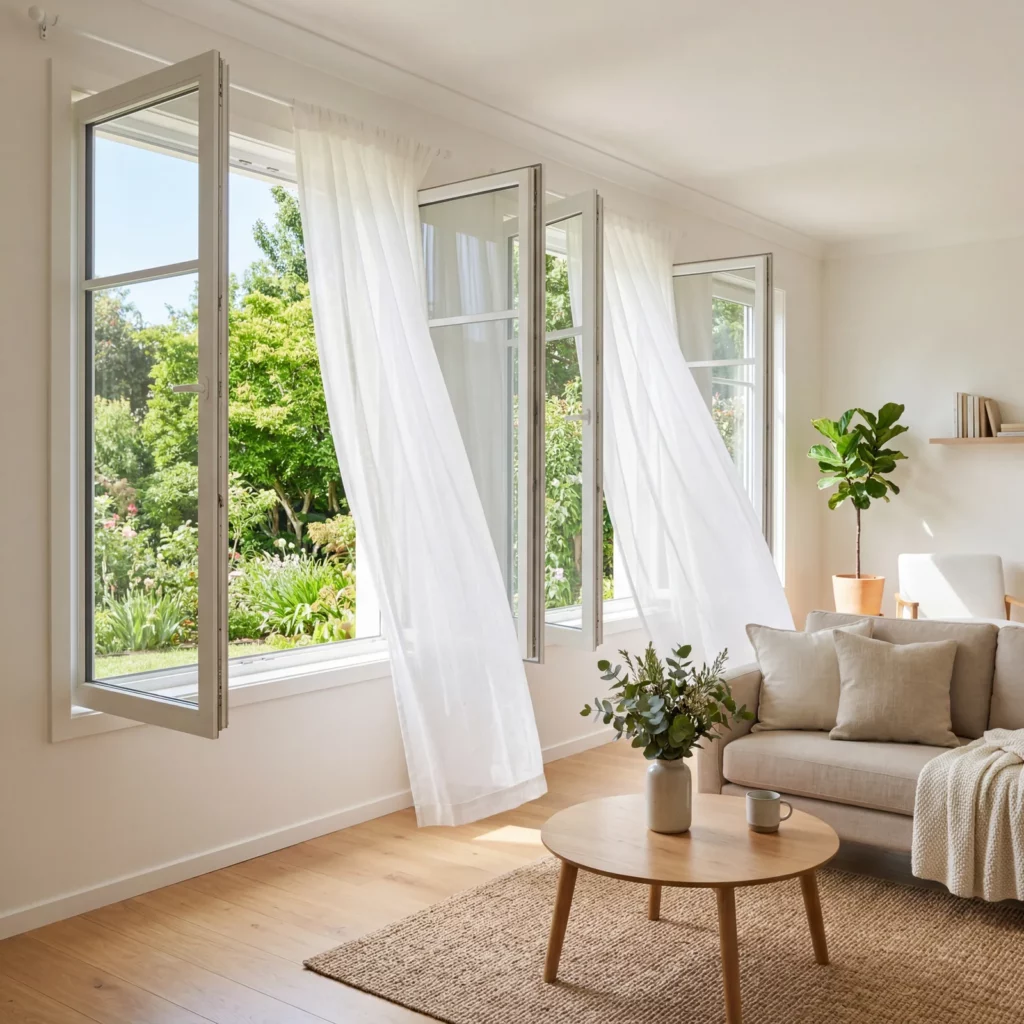
Open every window you can for 24 hours before showings. Steam clean fabric furniture. Have carpets treated. Wash every curtain and soft furnishing.
A retired real estate agent from Ohio told me that in 30 years, the number one reason buyers walked away from otherwise perfect homes was smell. “They could never explain it,” she said. “They just said something felt off.”
Something was. And the sellers never knew.
Now walk through your home room by room with fresh eyes. There’s a good chance this one is already working against you — and you’ve stopped noticing it.
Worth Knowing Before You List
Most of these take a weekend and cost under $300 combined.
The difference between a home that sits and a home that sells in two weeks is almost never the price. It’s the presentation.
Which one surprised you most? Share this with someone who’s getting ready to sell — it’s the list their agent should have handed them on day one.