
27 Foods That Spoil Faster When Stored in Your Fridge Door
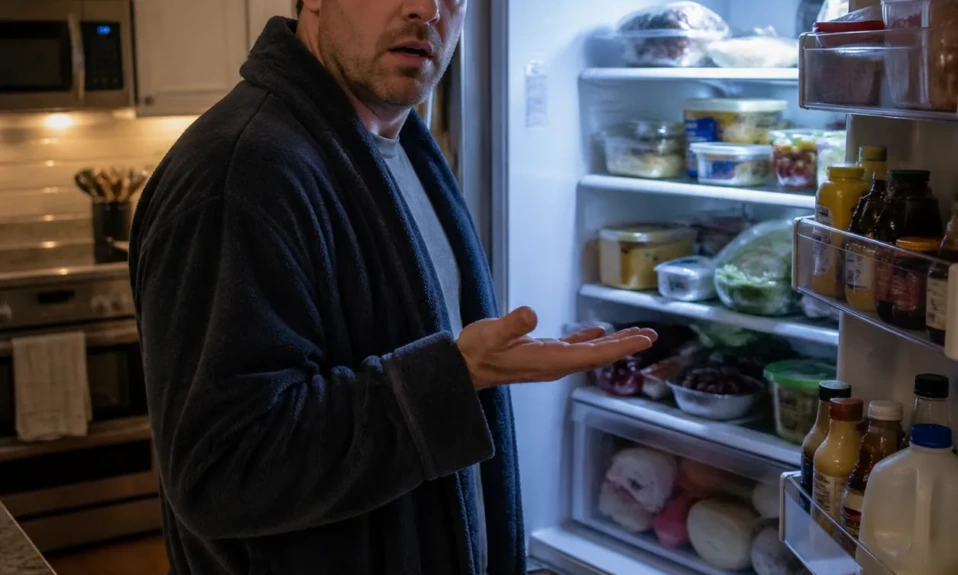
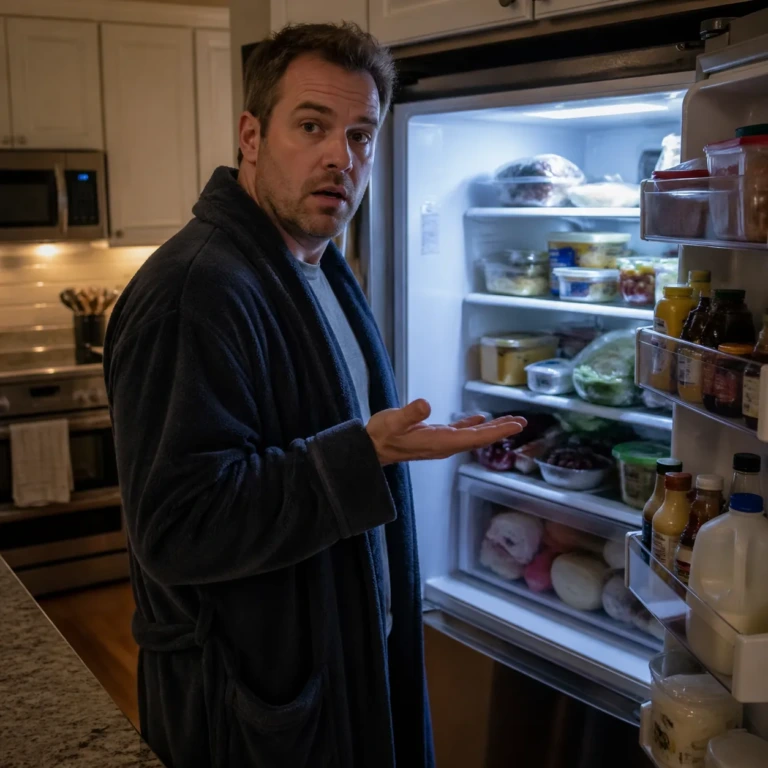
Your fridge door is easy to reach. It is also the warmest, jumpiest part of the fridge. These are the foods that usually belong deeper inside.
27. Fresh Herbs
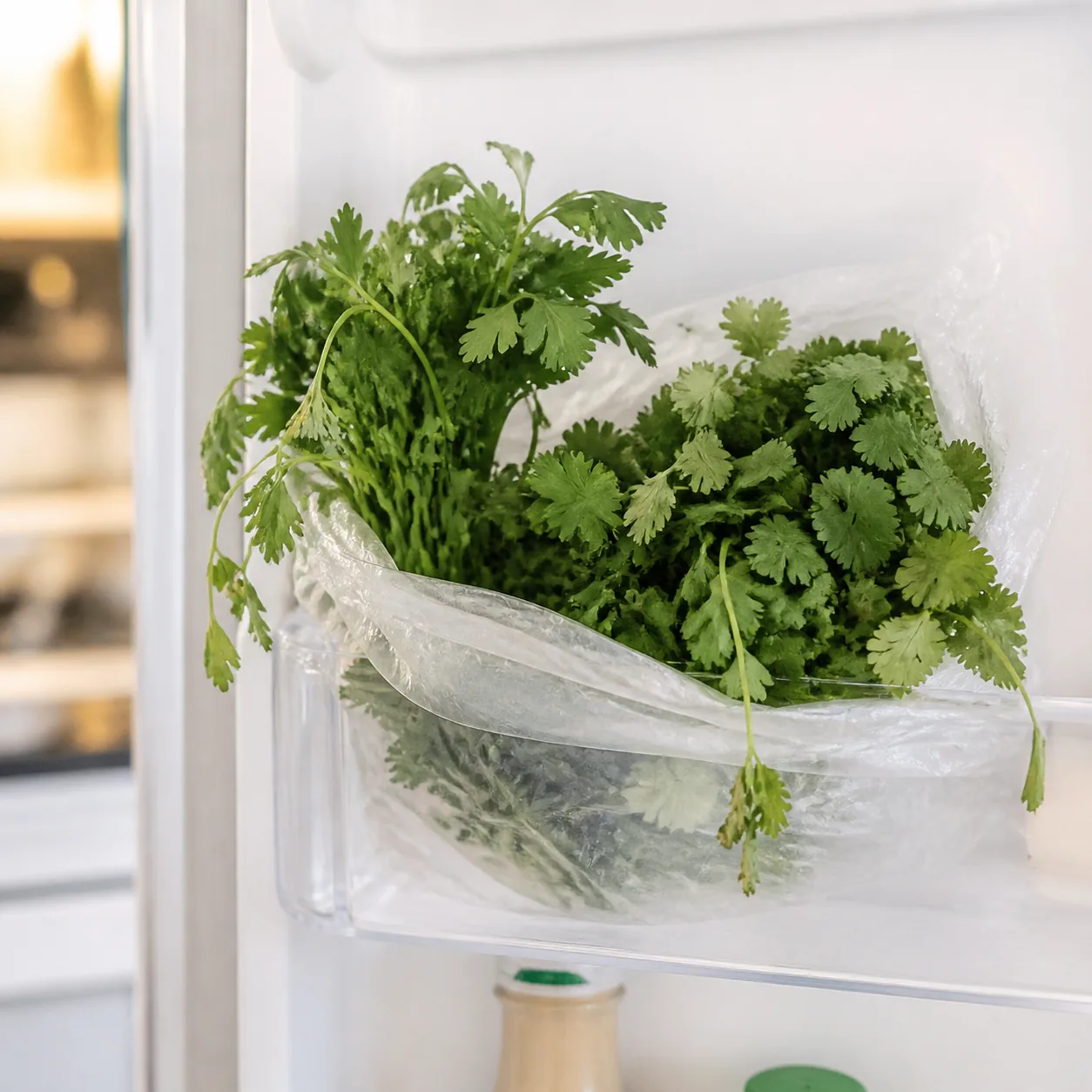
Fresh herbs look harmless in the door.
They are light, small, and easy to tuck beside the bottles.
That is exactly how they get forgotten. Warm air, dry edges, and a loose bag can turn parsley, cilantro, and dill limp faster than you planned.
Herbs need gentle storage. The door is not gentle.
26. Half-and-Half
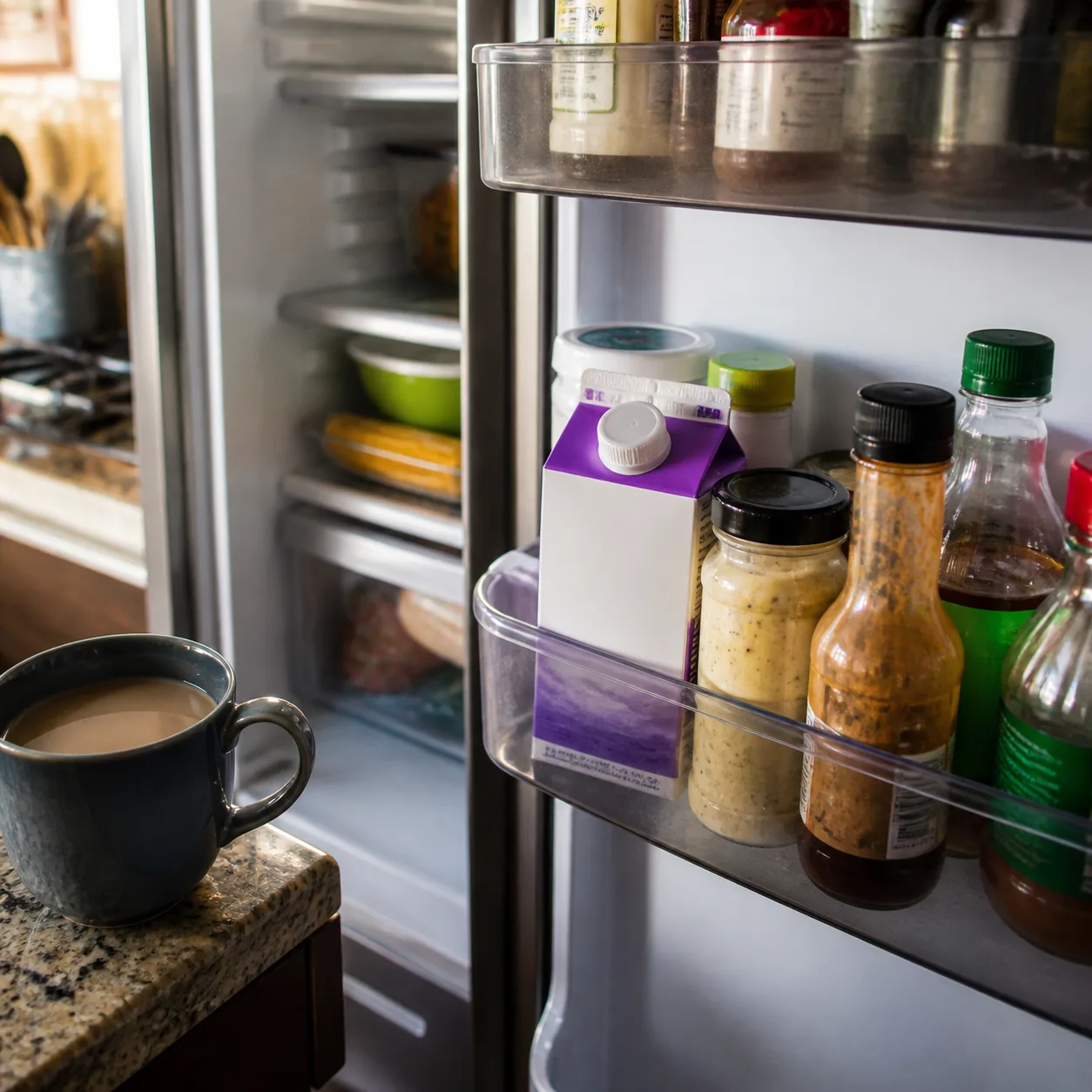
Half-and-half gets punished by habit.
You grab it every morning, so the door feels obvious.
But that little carton is still dairy. A few warm blasts every day can shorten the window before it smells off, tastes flat, or curdles in coffee.
Move it to the main shelf. Your coffee will notice first.
25. Cut Vegetables
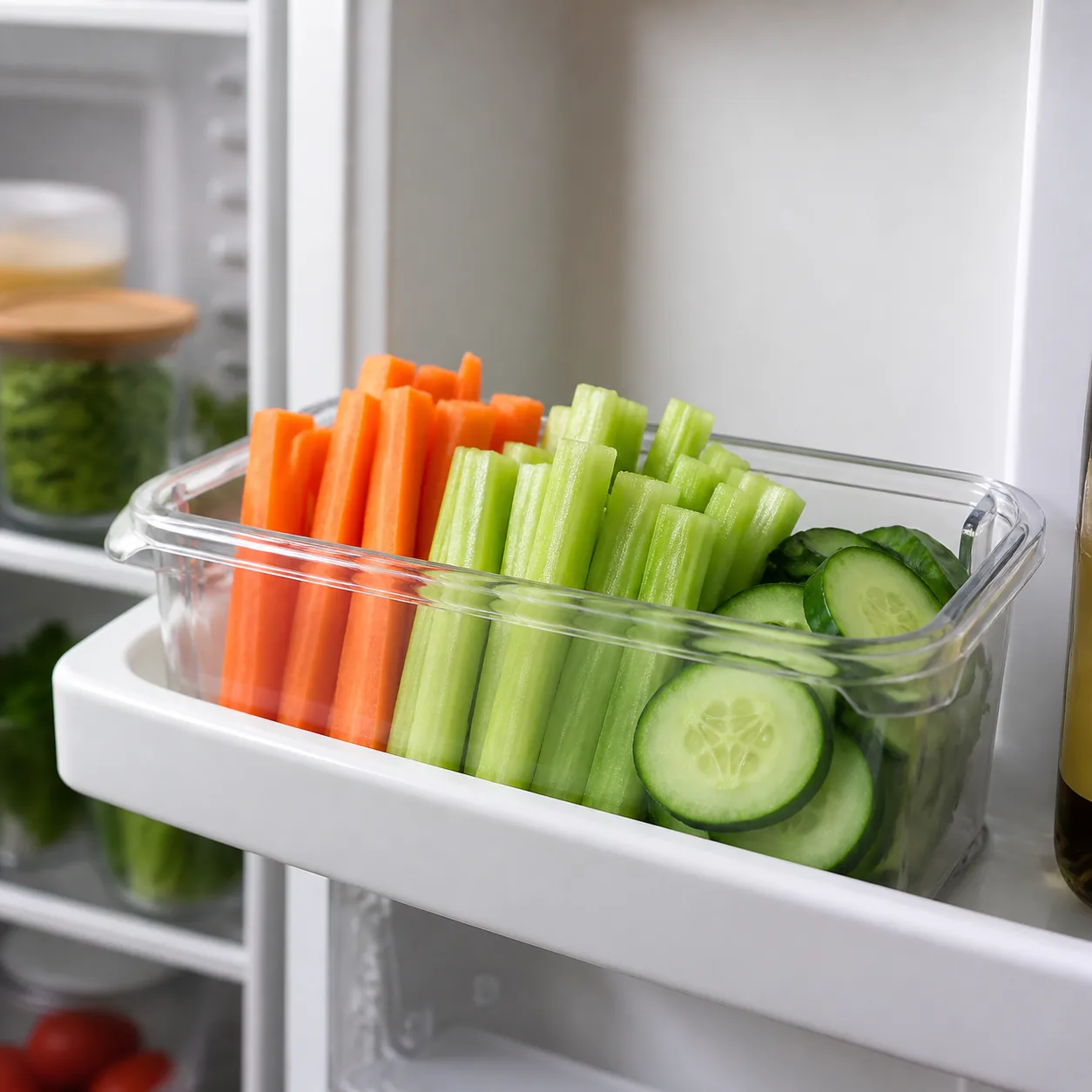
Cut vegetables feel like the responsible snack.
That does not make them sturdy.
Once carrots, celery, cucumbers, or peppers are washed and sliced, they dry out faster and pick up fridge odors more easily. The door adds extra air movement every time it opens.
Put the snack box inside. It will still be easy to find.
24. Eggs
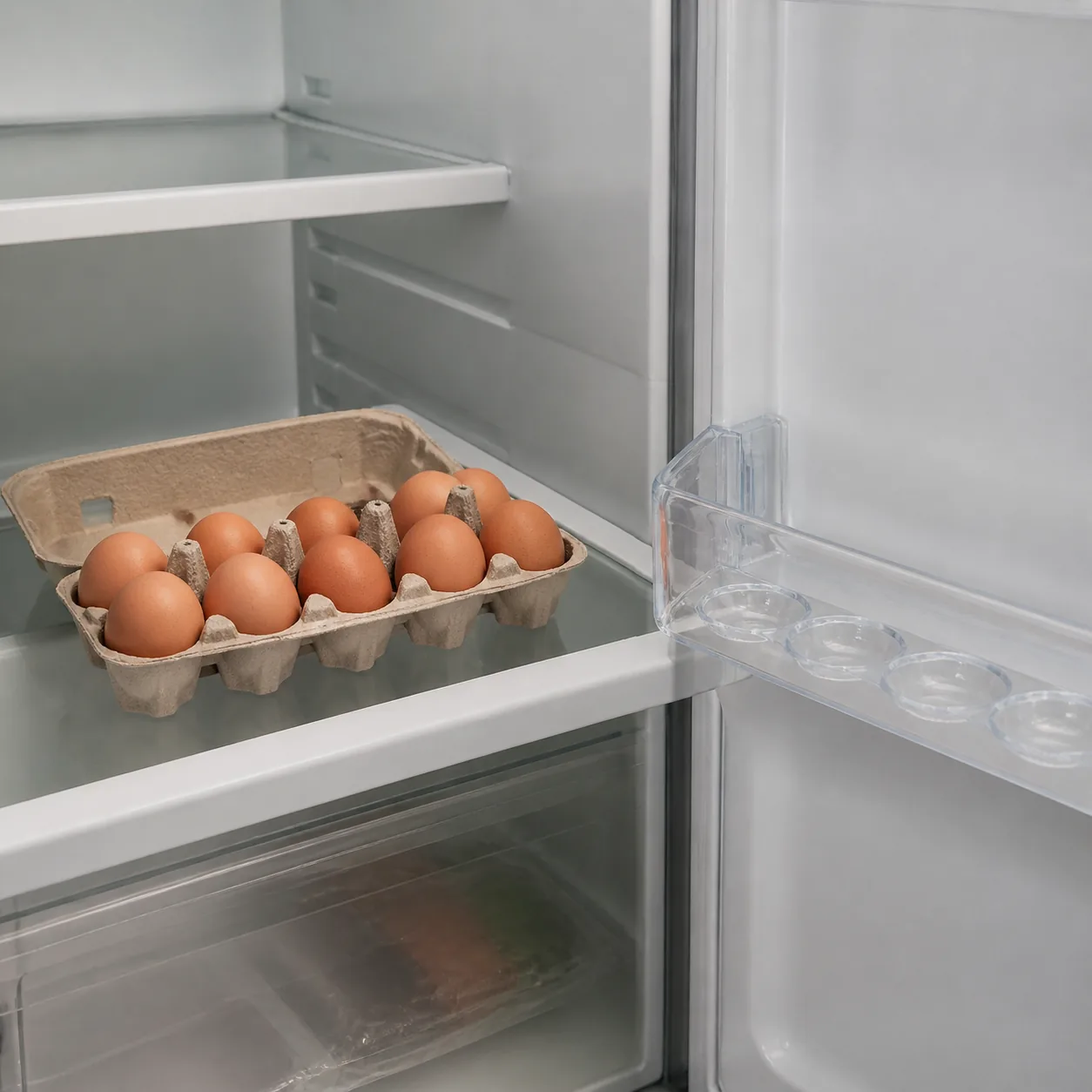
Those built-in egg cups are a trap of design.
They make the door look like the egg section.
The FDA says eggs should stay in their carton in the refrigerator itself, not in the door. The carton helps protect them, and the main compartment keeps them colder.
The fridge came with egg cups. The eggs did not agree to use them.
23. Liquid Egg Whites
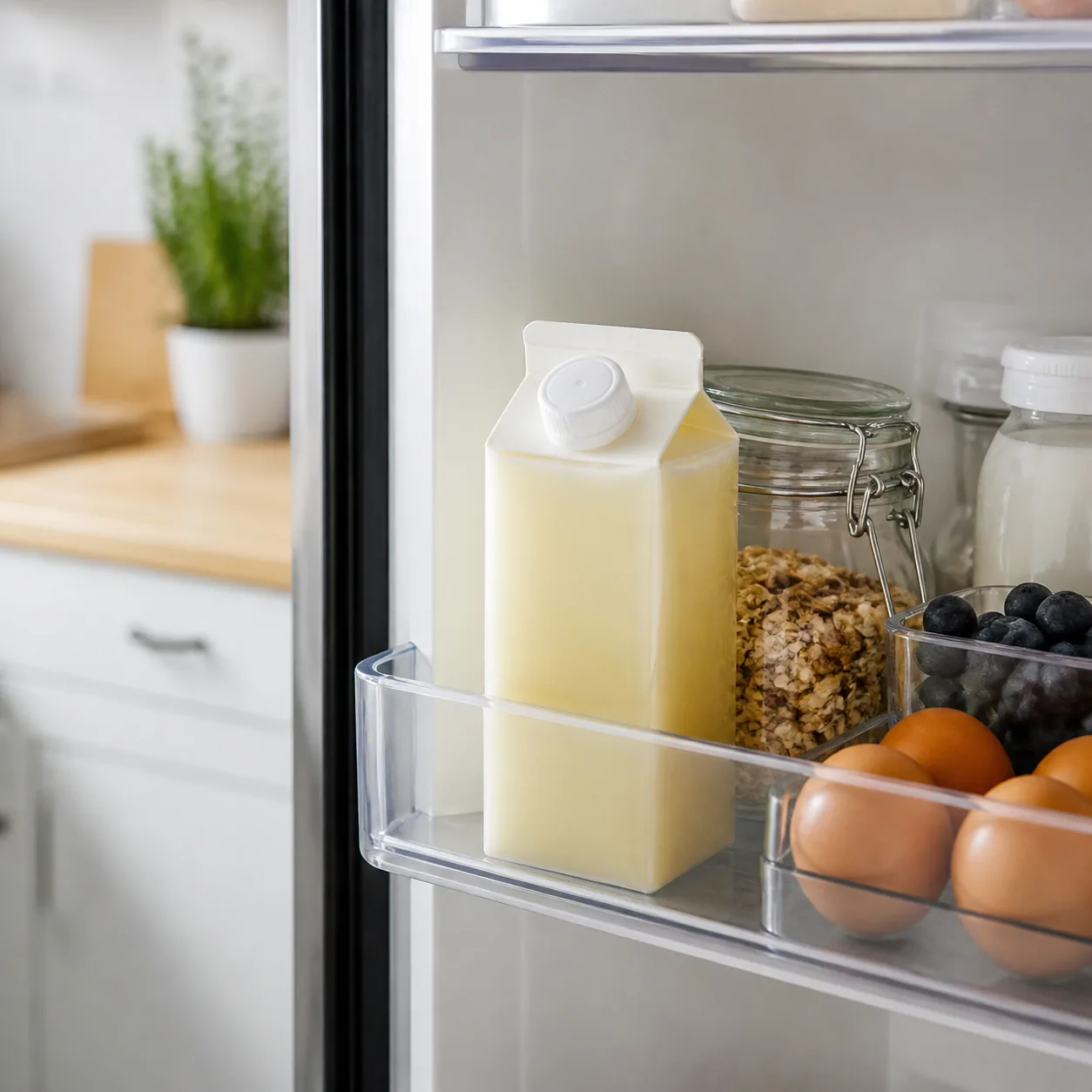
Liquid egg whites are easy to forget.
They look like a drink carton. They behave like eggs.
Once opened, they need cold, steady storage and a short timeline. The door is the spot most likely to warm up every time someone looks for a snack.
Put them beside the eggs, not beside the ketchup.
22. Yogurt Cups
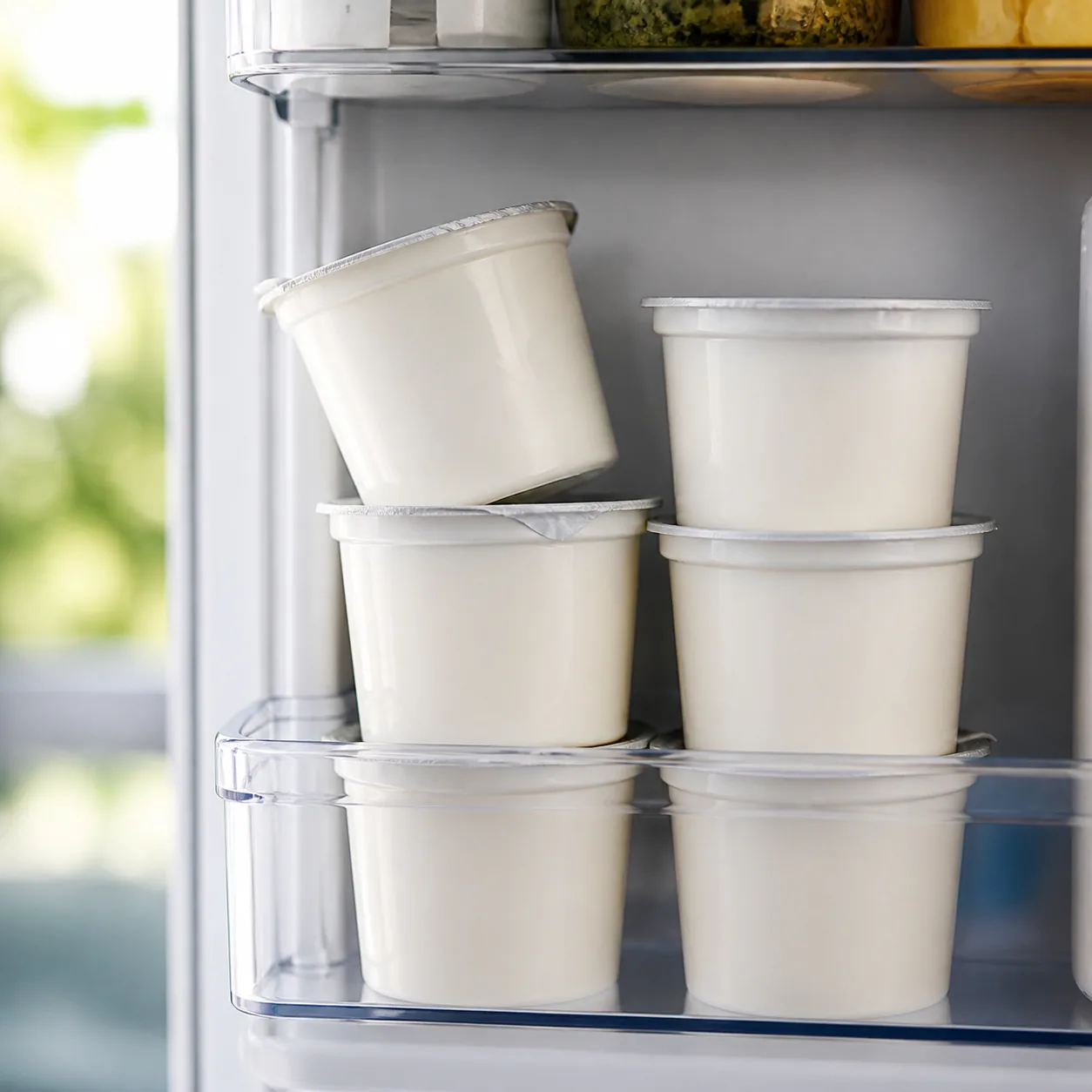
Yogurt seems sturdy because it is already tangy.
That does not mean it likes temperature swings.
A door-stored yogurt cup can separate faster, taste sharper, and lose that clean texture you expected at breakfast.
The main shelf keeps yogurt boring. Boring is exactly what you want here.
21. Sour Cream
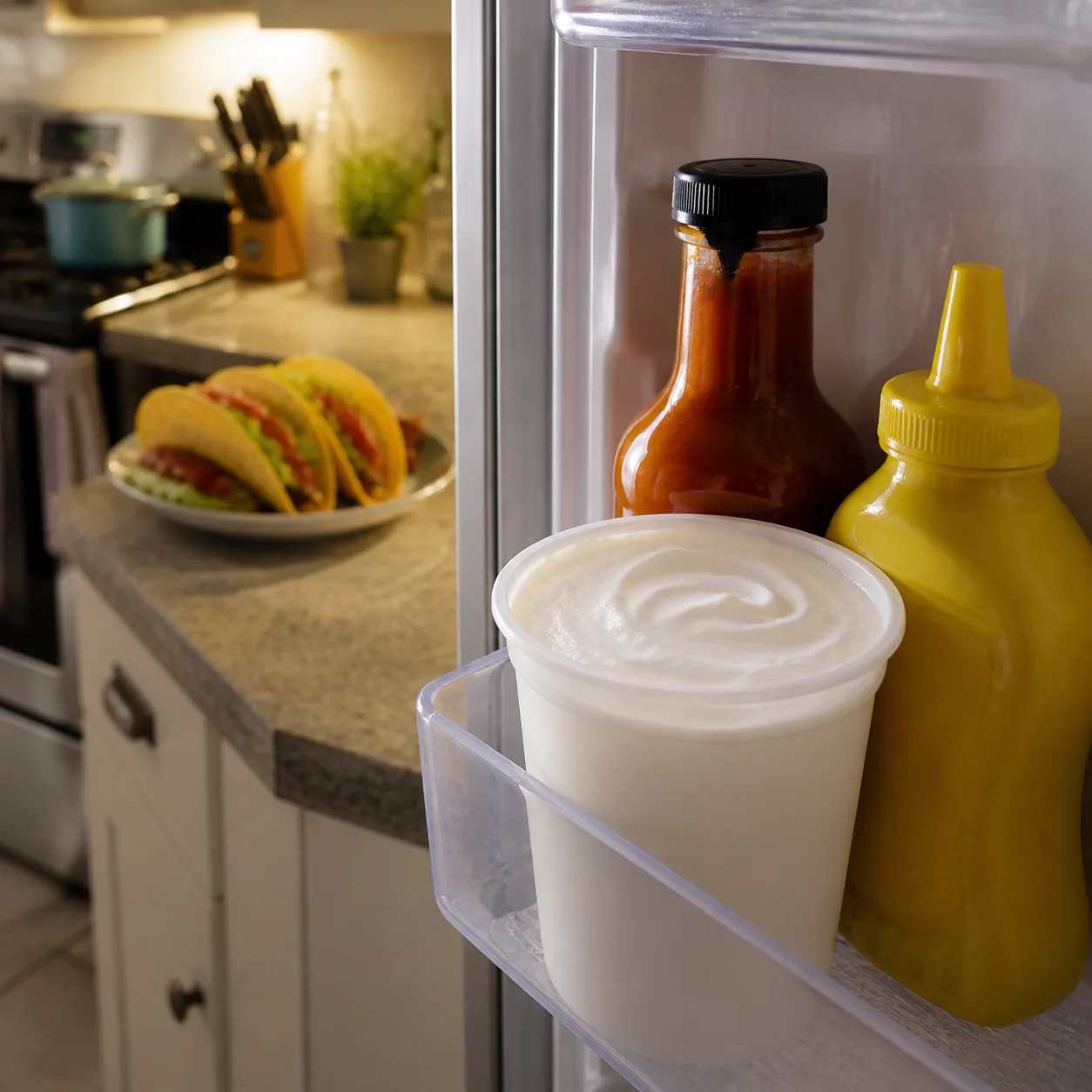
Sour cream already has a confusing name.
It should not smell like a dare.
Warm door air can speed up watery separation and shorten the good-tasting window after opening. That matters if you only use a spoonful at a time.
The colder shelf buys you a few more taco nights.
20. Cottage Cheese
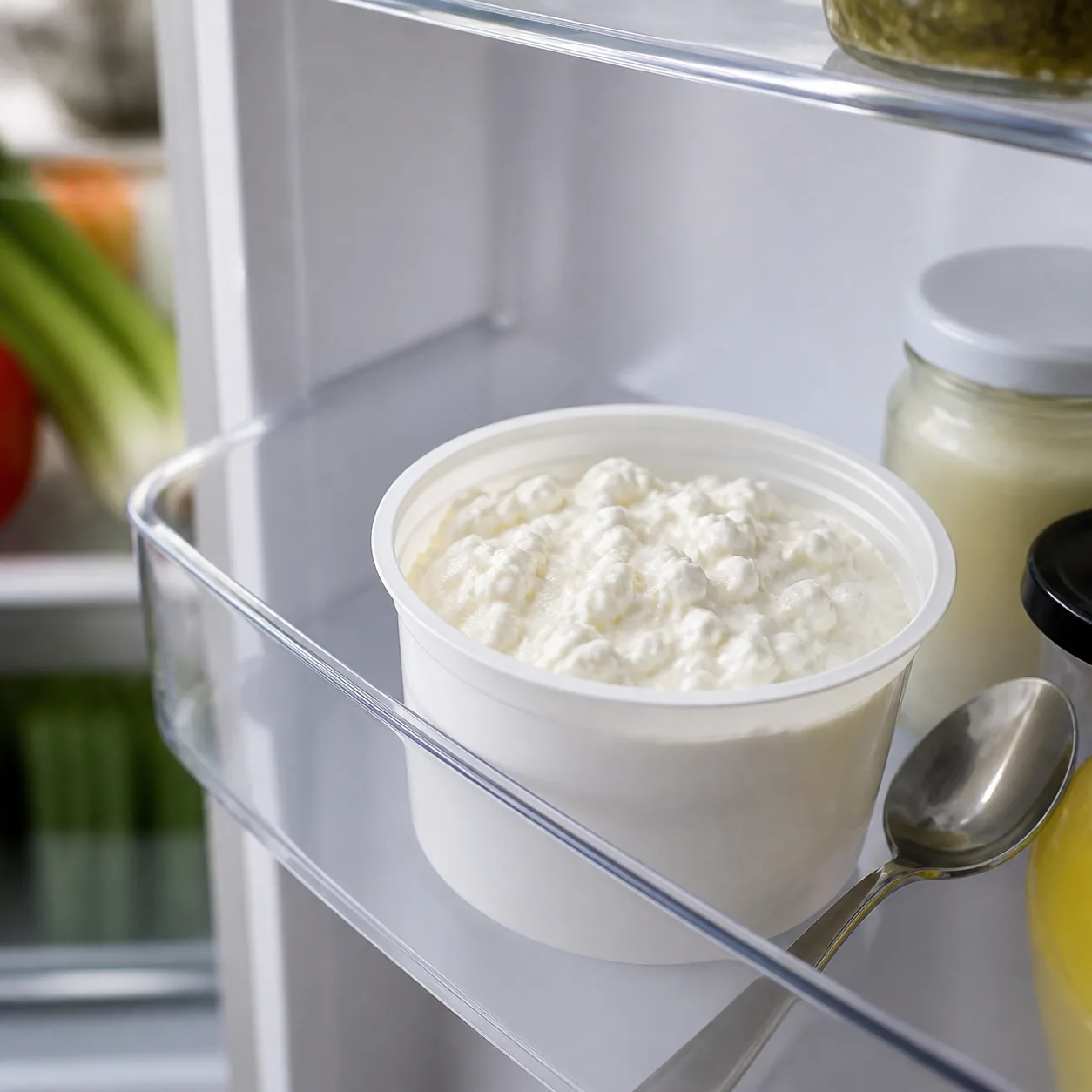
Cottage cheese is not a door food.
It is soft, wet dairy in a tub that gets opened, closed, and opened again.
Door storage can make it watery faster and less pleasant long before the date on the lid. If it smells wrong, looks wrong, or tastes wrong, do not negotiate with it.
The back shelf is kinder.
19. Soft Cheese
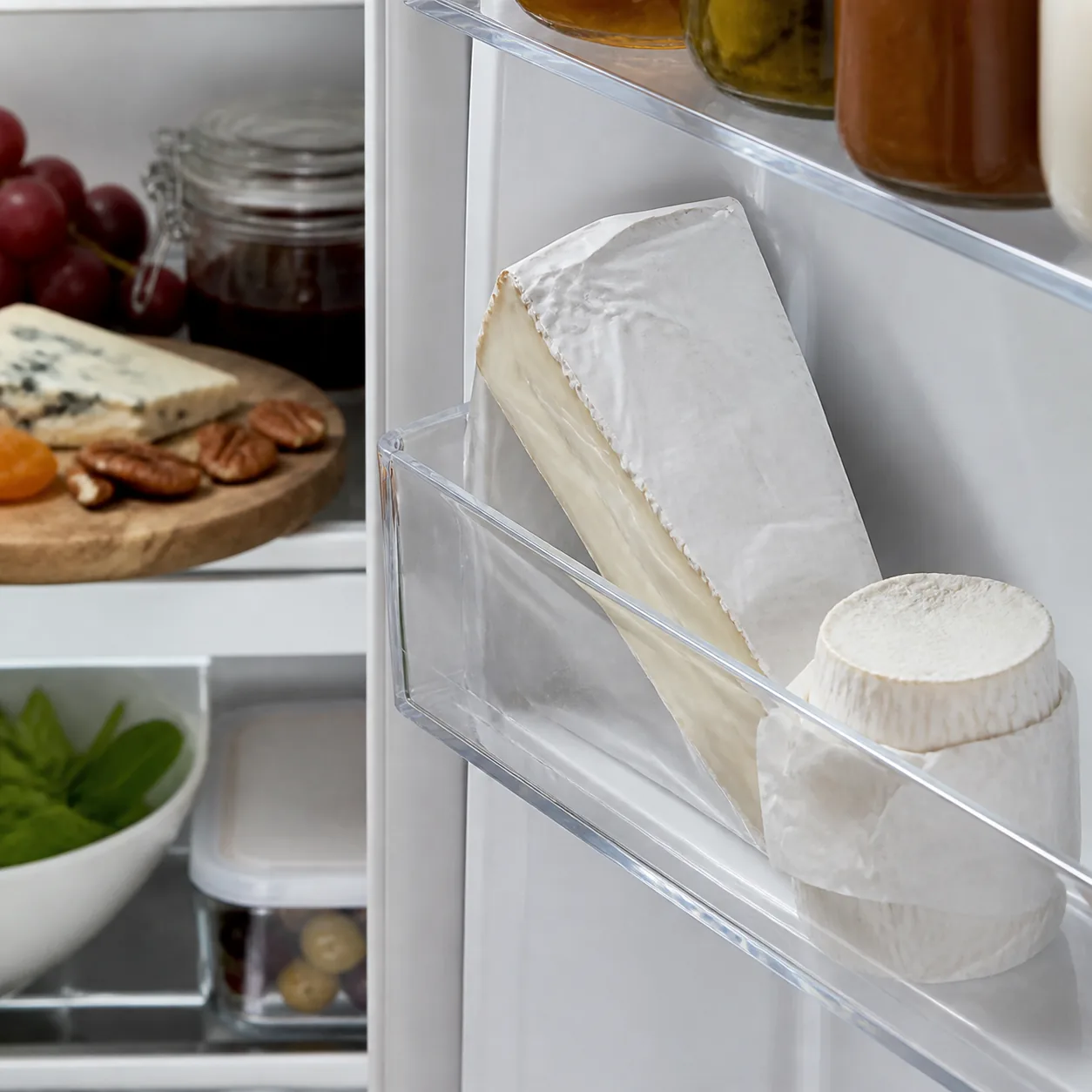
Soft cheese is where the door gets expensive.
Brie, goat cheese, ricotta, and similar cheeses do not have the same staying power as hard blocks.
They prefer steady cold and careful wrapping. The door adds movement, warmer air, and more chances for the package to get bumped open.
Fancy cheese should not live like a condiment.
18. Fresh Mozzarella
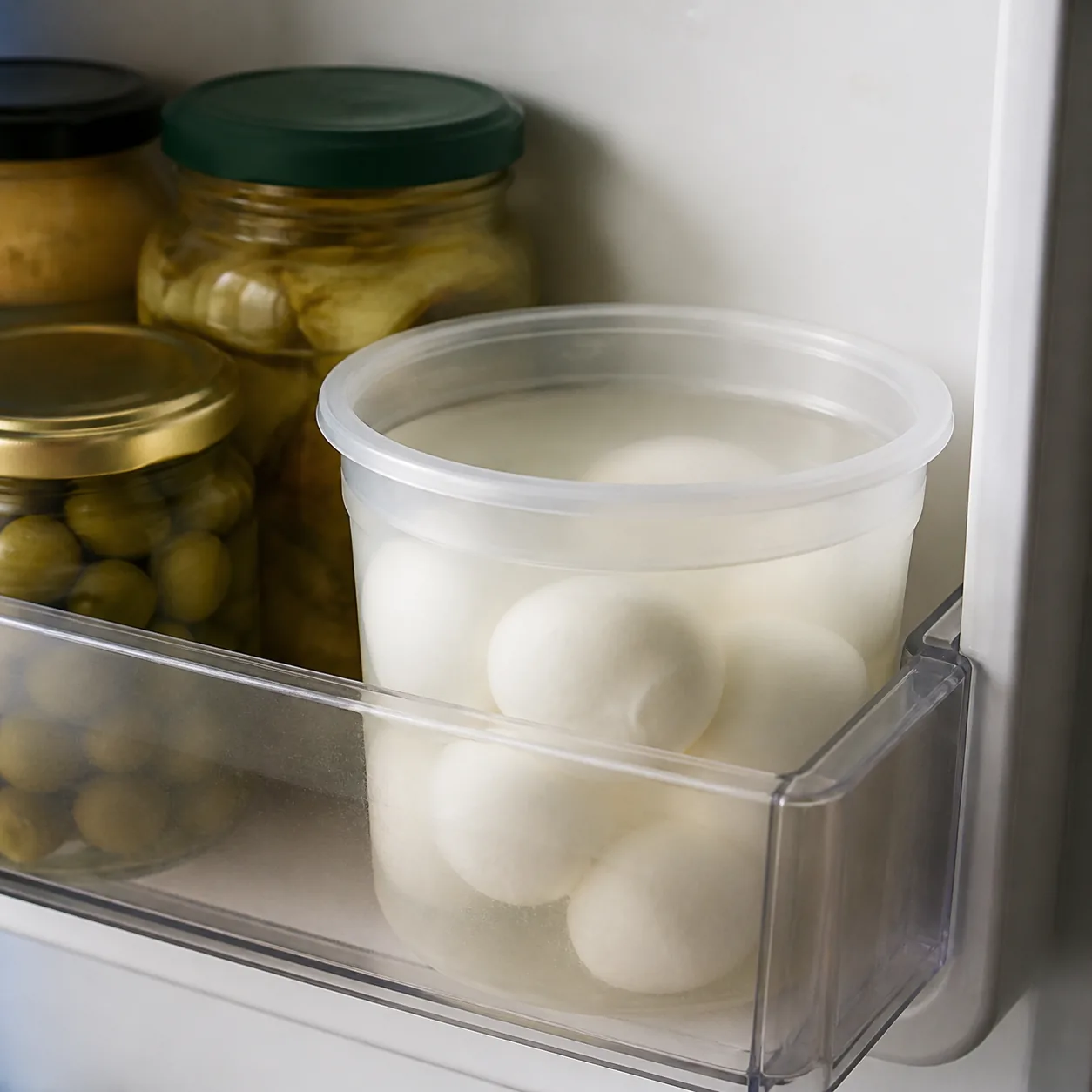
Fresh mozzarella looks sealed and safe.
That little tub is still delicate.
The cheese sits in liquid, and once opened, freshness drops quickly. Door swings do not help the texture, the smell, or the clean mild taste.
Keep it cold enough that dinner still feels intentional.
17. Shredded Cheese Bags
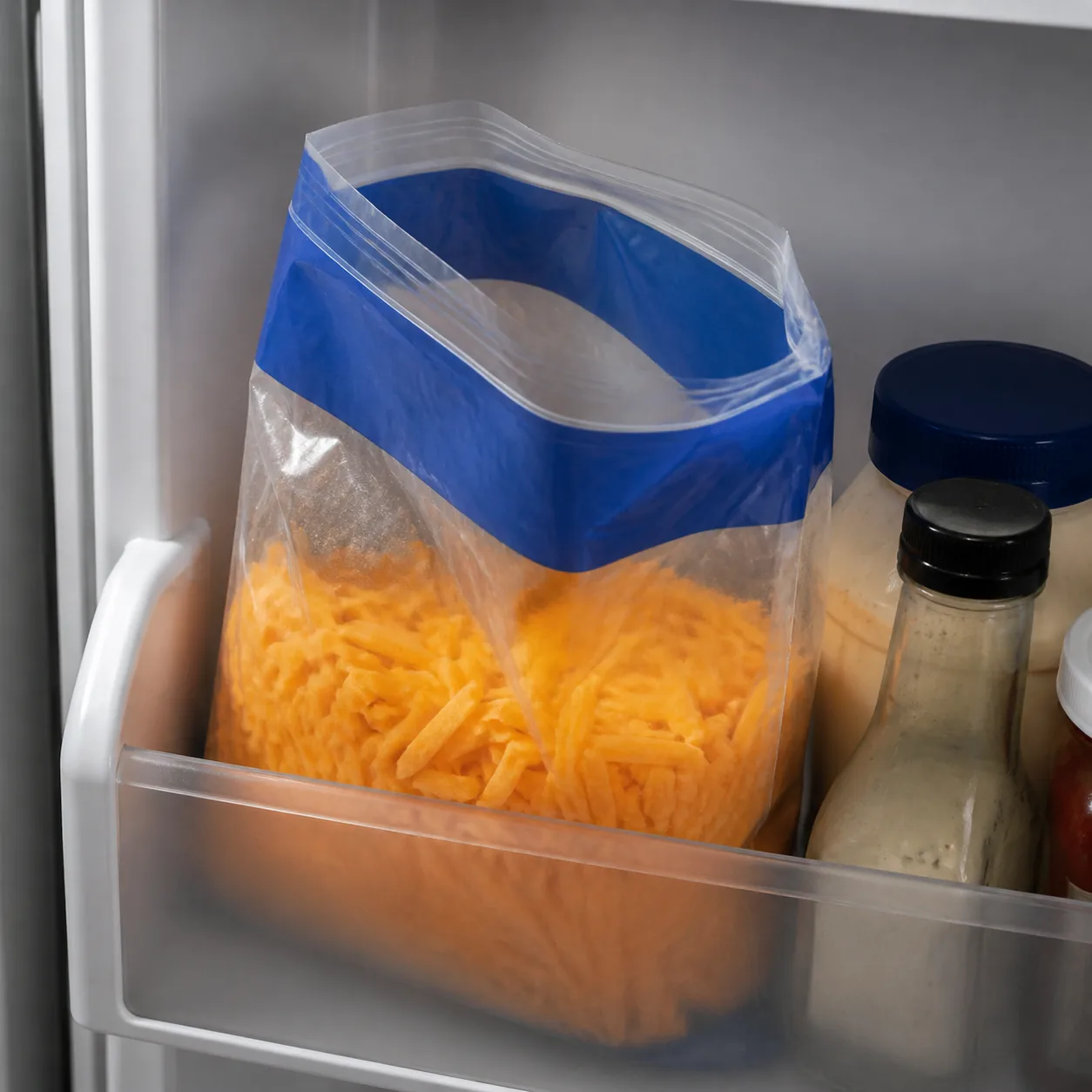
Shredded cheese has more surface area than a block.
That is the quiet problem.
More surface means more opportunity for drying, clumping, and mold once the bag is opened. A door bin also gets jostled every time the fridge closes.
The cheese drawer exists for a reason.
16. Deli Meat
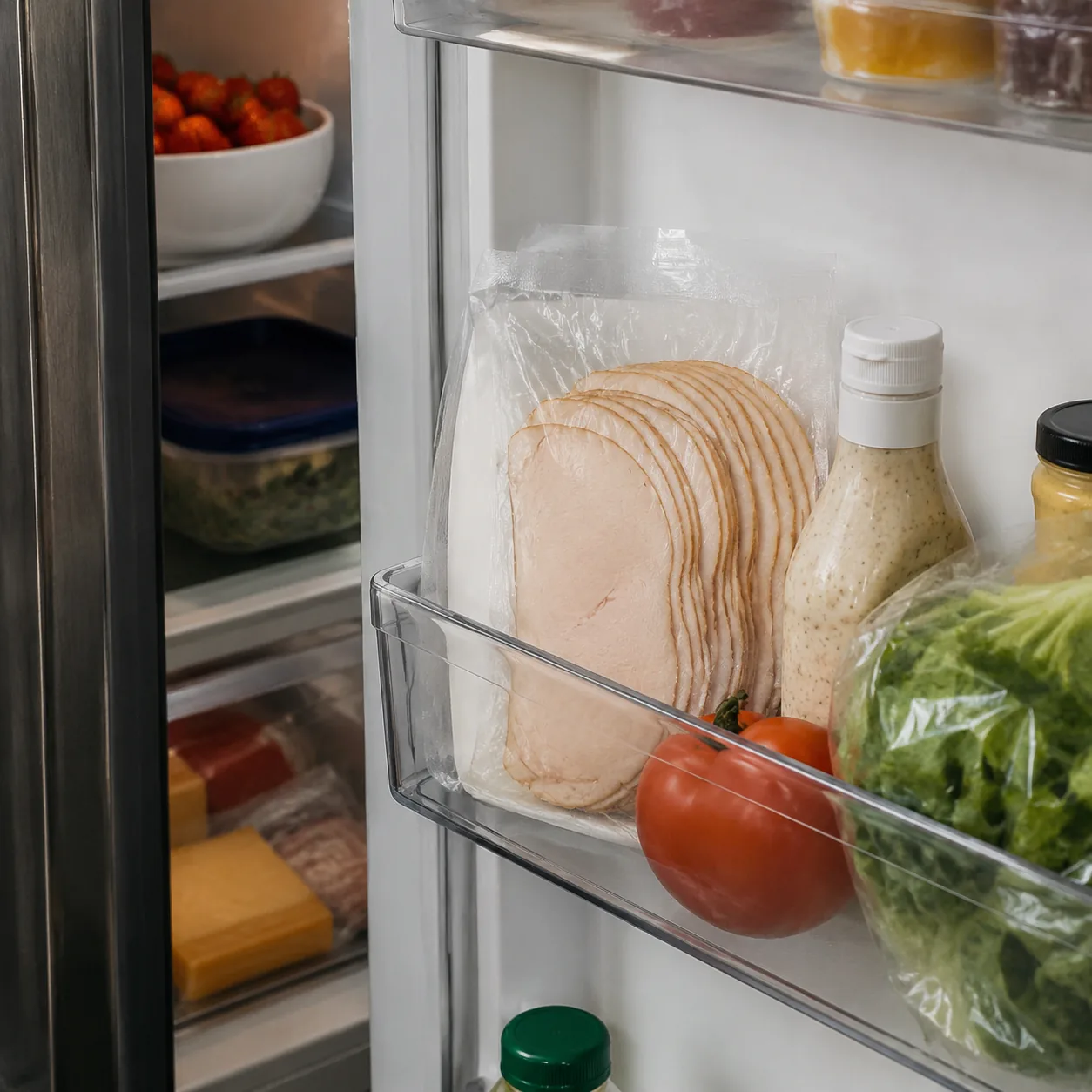
Deli meat should not be stored like mustard.
It is ready-to-eat meat, which means you are not cooking away mistakes later.
Once opened, it needs steady refrigeration and a short memory. Door storage adds warmth and movement to something that already has a limited clock.
Lunch meat belongs inside the fridge, not on the swinging shelf.
15. Smoked Salmon
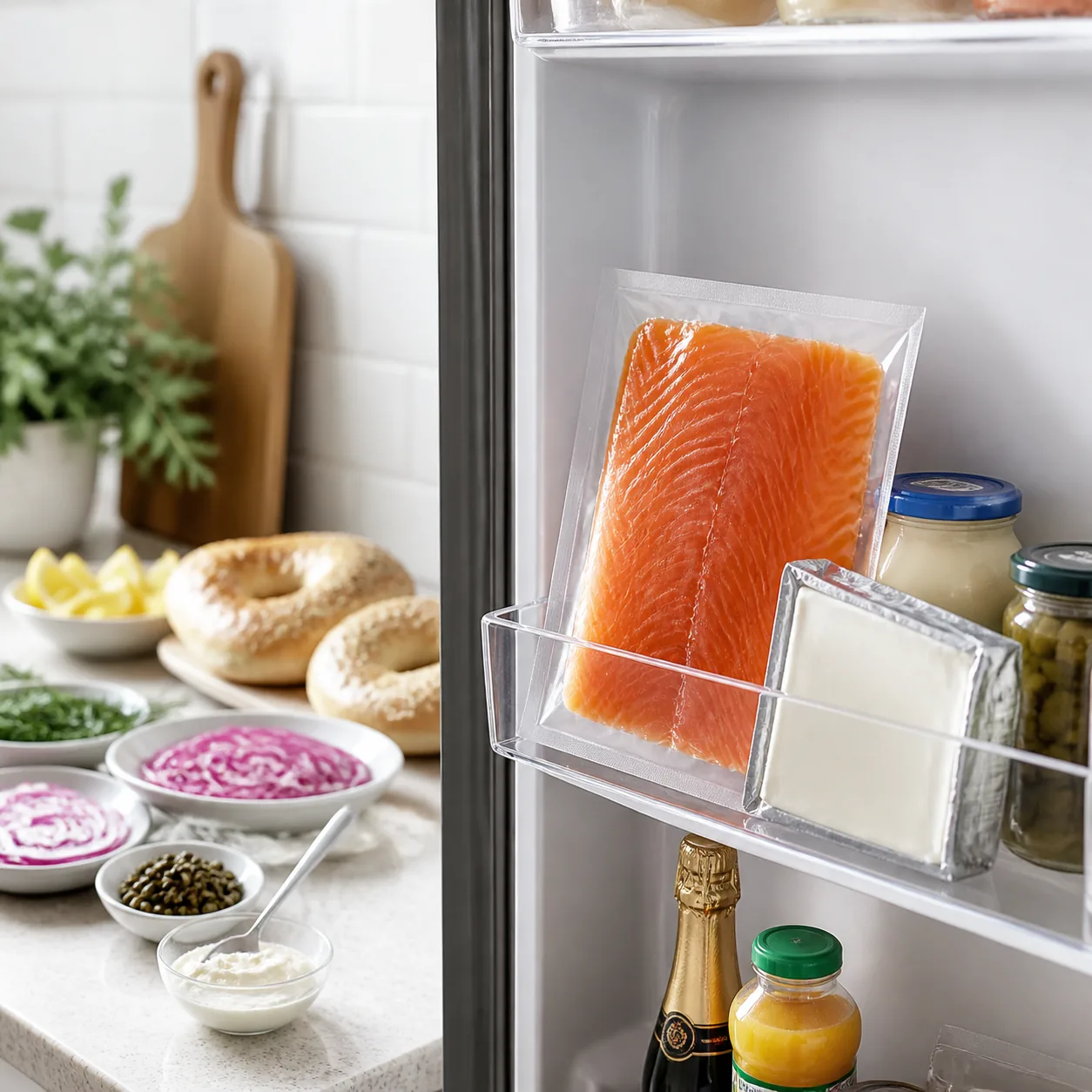
Smoked salmon feels special.
It is also fragile.
That thin package can warm quickly in the door, especially during a long breakfast hunt. Fishy, slimy, or sour is not a flavor profile. It is a warning.
Put it in the coldest stable area you have.
14. Raw Chicken
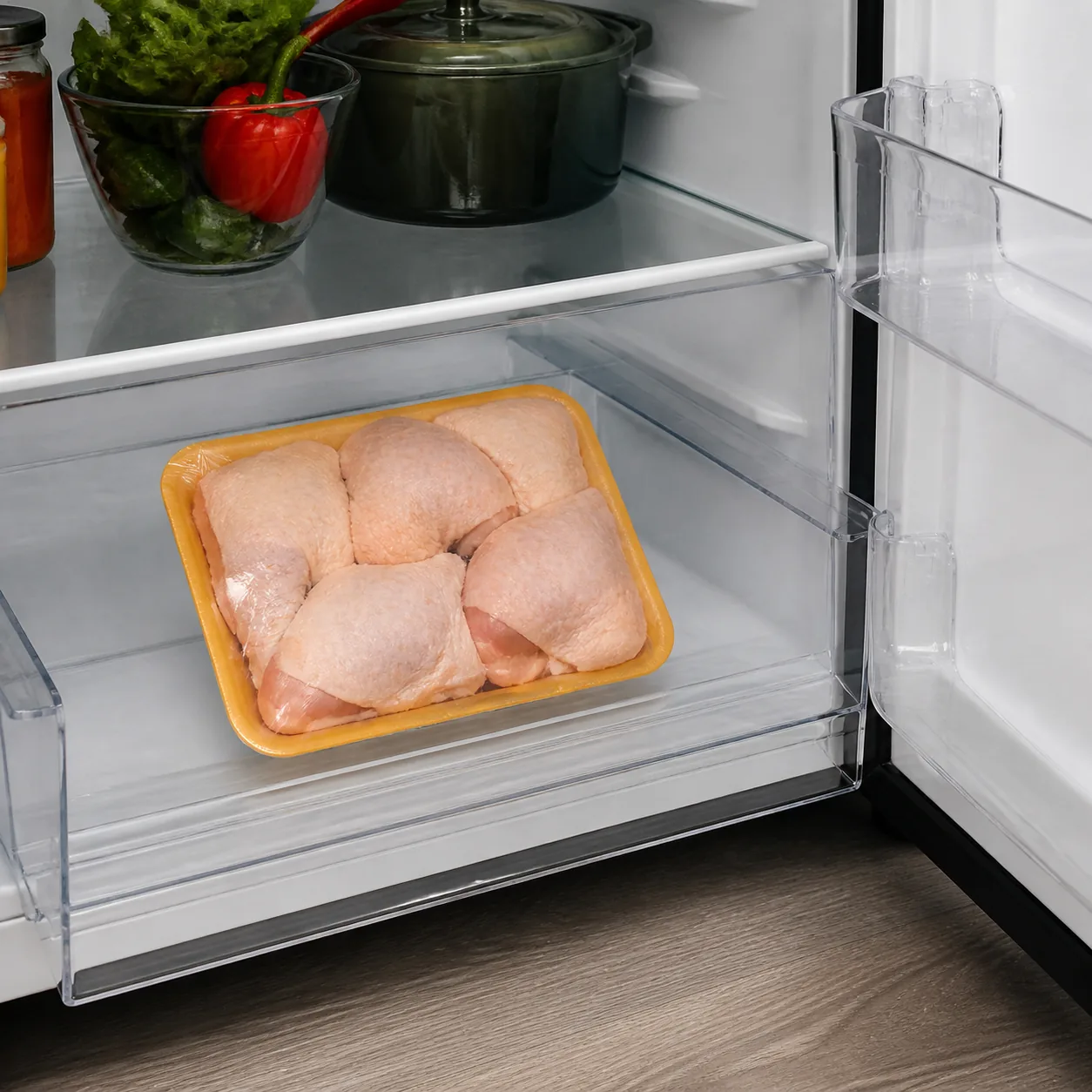
Raw chicken is the clearest no.
It does not belong in the door for temperature or spill reasons.
Every door swing moves it. Every leak becomes a bigger problem. Raw poultry should be sealed and stored low, where drips cannot land on food you eat straight from the fridge.
This is not about freshness. It is about not making the whole fridge a project.
13. Ground Beef
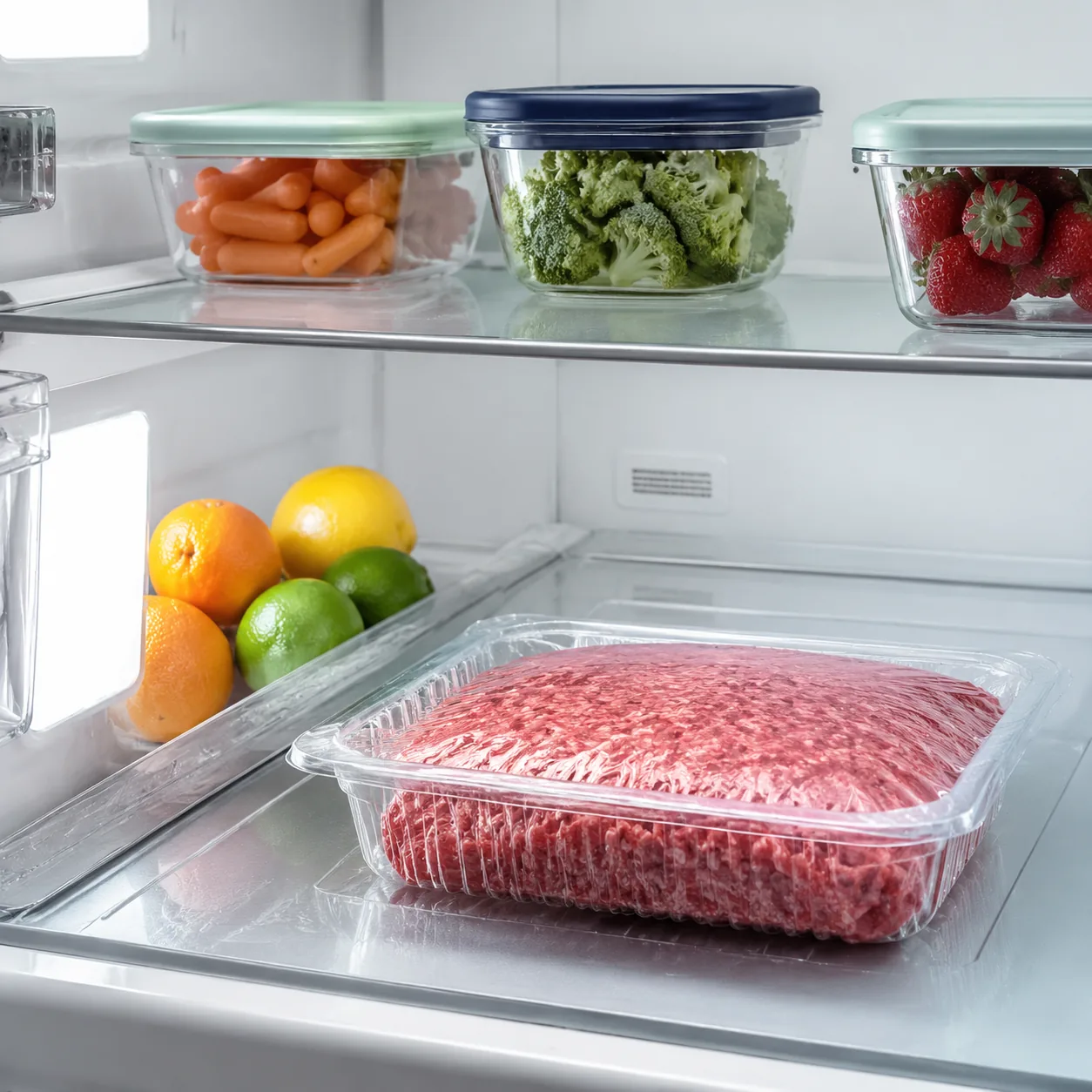
Ground beef has no patience.
It spoils faster than big cuts because more of the meat has been exposed during grinding.
The door is warmer and less steady, which is exactly the opposite of what you want. Keep it sealed, low, and cold.
The door is for sauces. Not dinner in raw form.
12. Fresh Fish Fillets
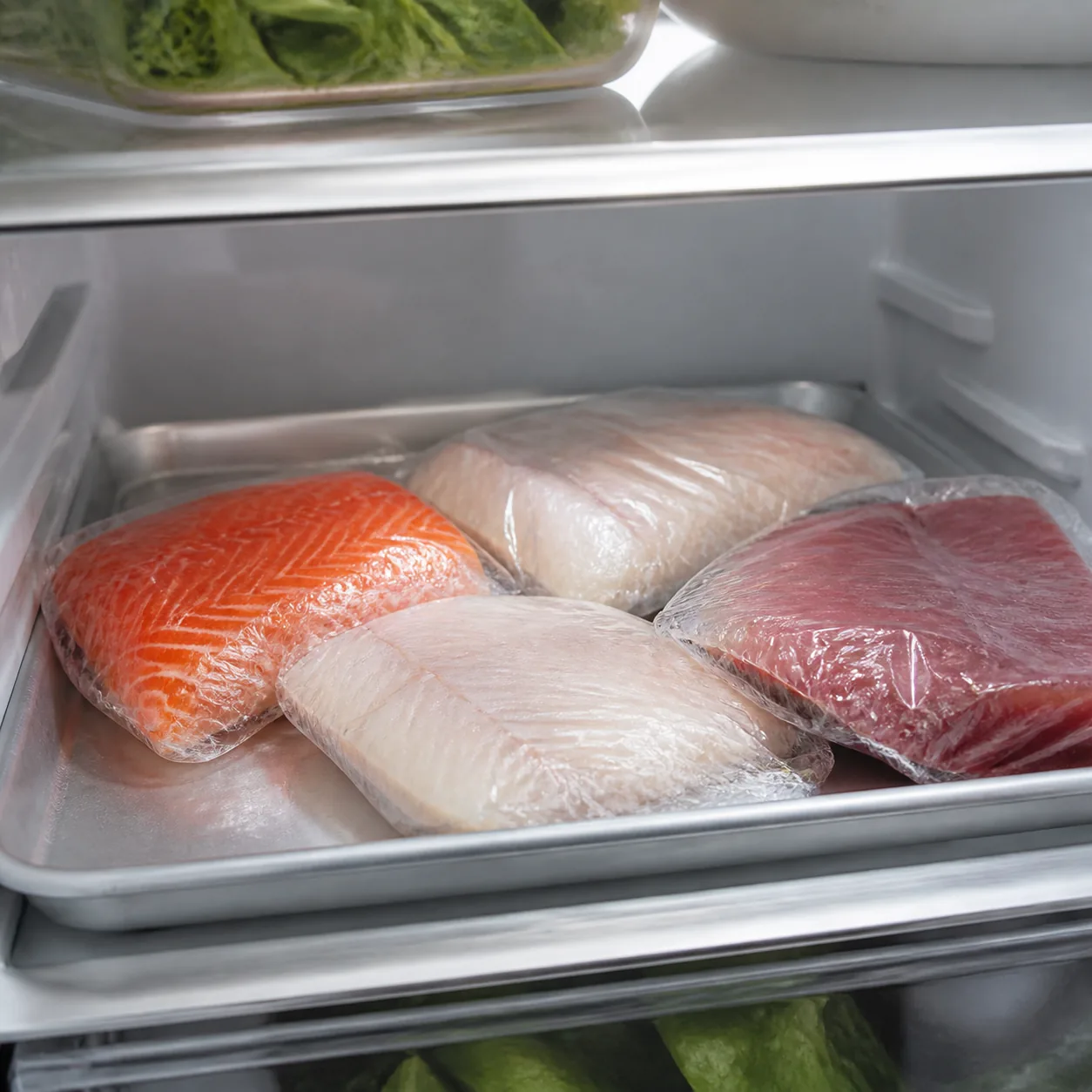
Fresh fish gives very little warning.
One day it smells clean. The next day it announces itself from across the kitchen.
The door makes that timeline worse. Fish needs the coldest steady spot available, ideally sealed and kept over a tray.
If anything deserves the back shelf, it is this.
11. Thawing Meat
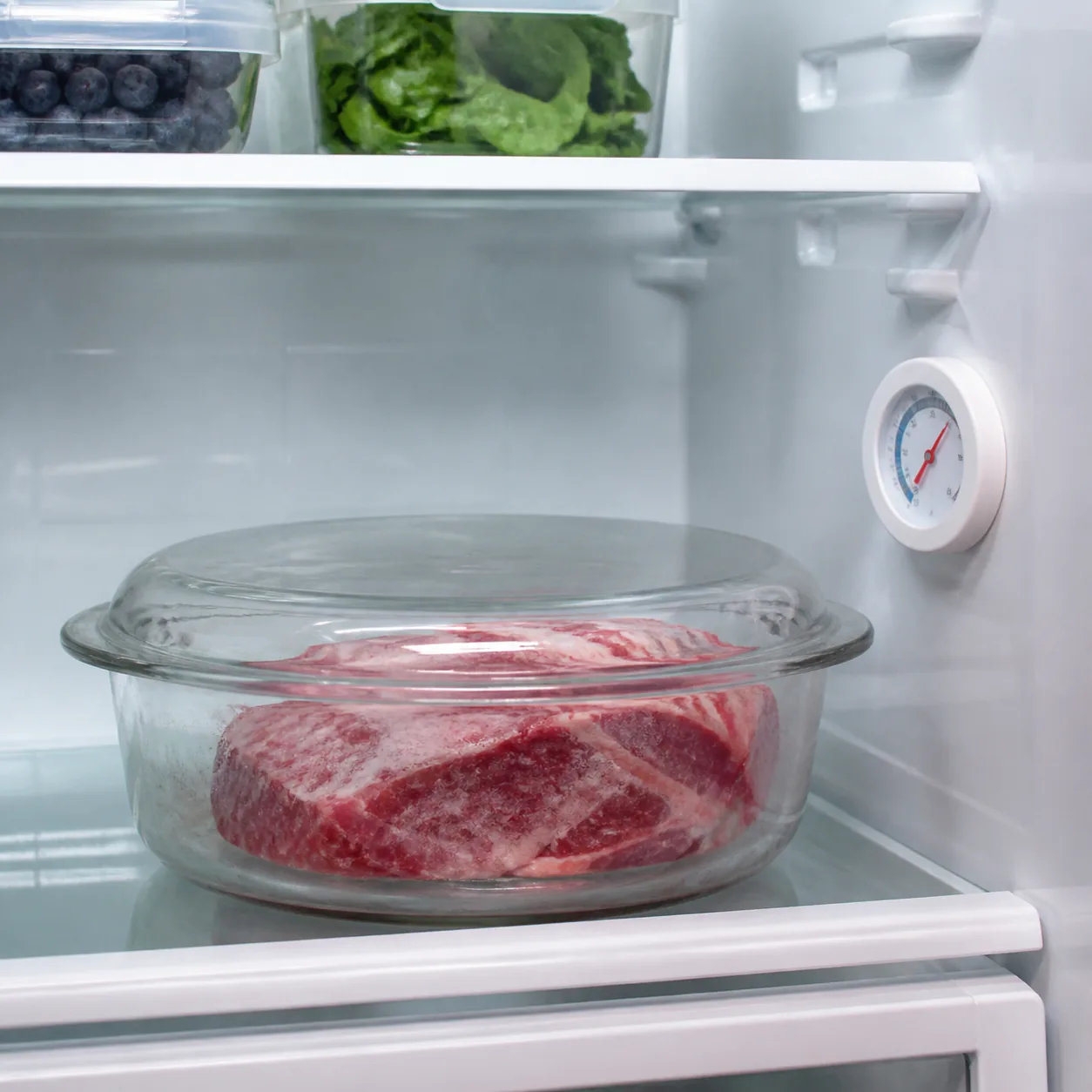
Thawing meat is already on a schedule.
The door turns that schedule into a guess.
Food safety guidance says thawing meat belongs in the refrigerator, not on the counter. Inside the fridge should mean steady cold, not the warmest shelf that opens fifty times a day.
Thaw it low. Thaw it covered. Thaw it away from the door.
10. Leftovers
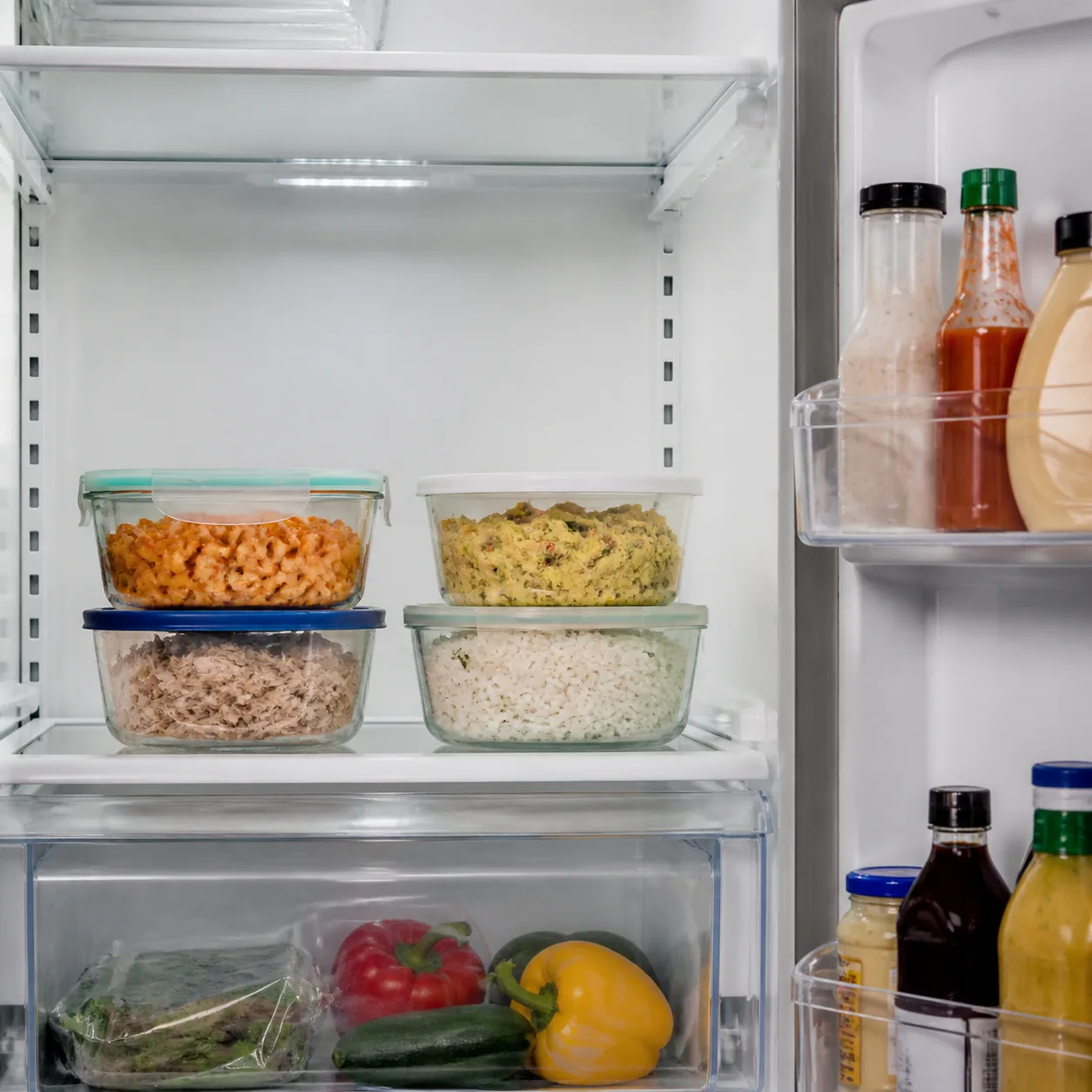
Leftovers are not as harmless as they look.
They have already been cooked, handled, served, cooled, and packed away.
The fridge door adds another little stress test every time it opens. If you want tomorrow’s dinner to still be tomorrow’s dinner, give it the main shelf.
The door is where good intentions go to get forgotten.
9. Cooked Rice
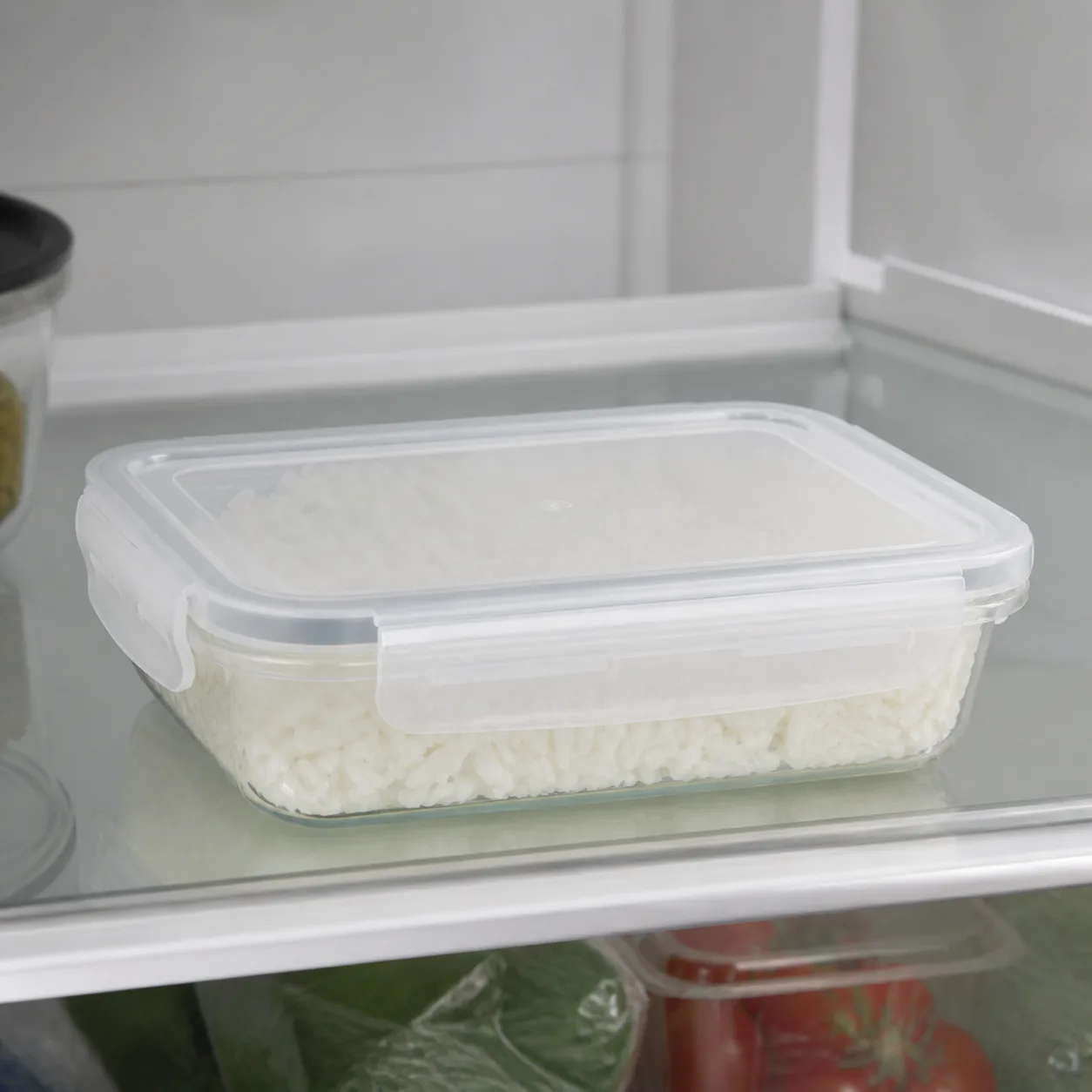
Cooked rice fools people because it looks plain.
Plain does not mean risk-free.
Rice needs prompt cooling and steady cold once stored. Door storage is a bad match because the container warms faster than you think and gets overlooked behind bottles.
Treat rice like a real leftover, because it is.
8. Pasta Salad
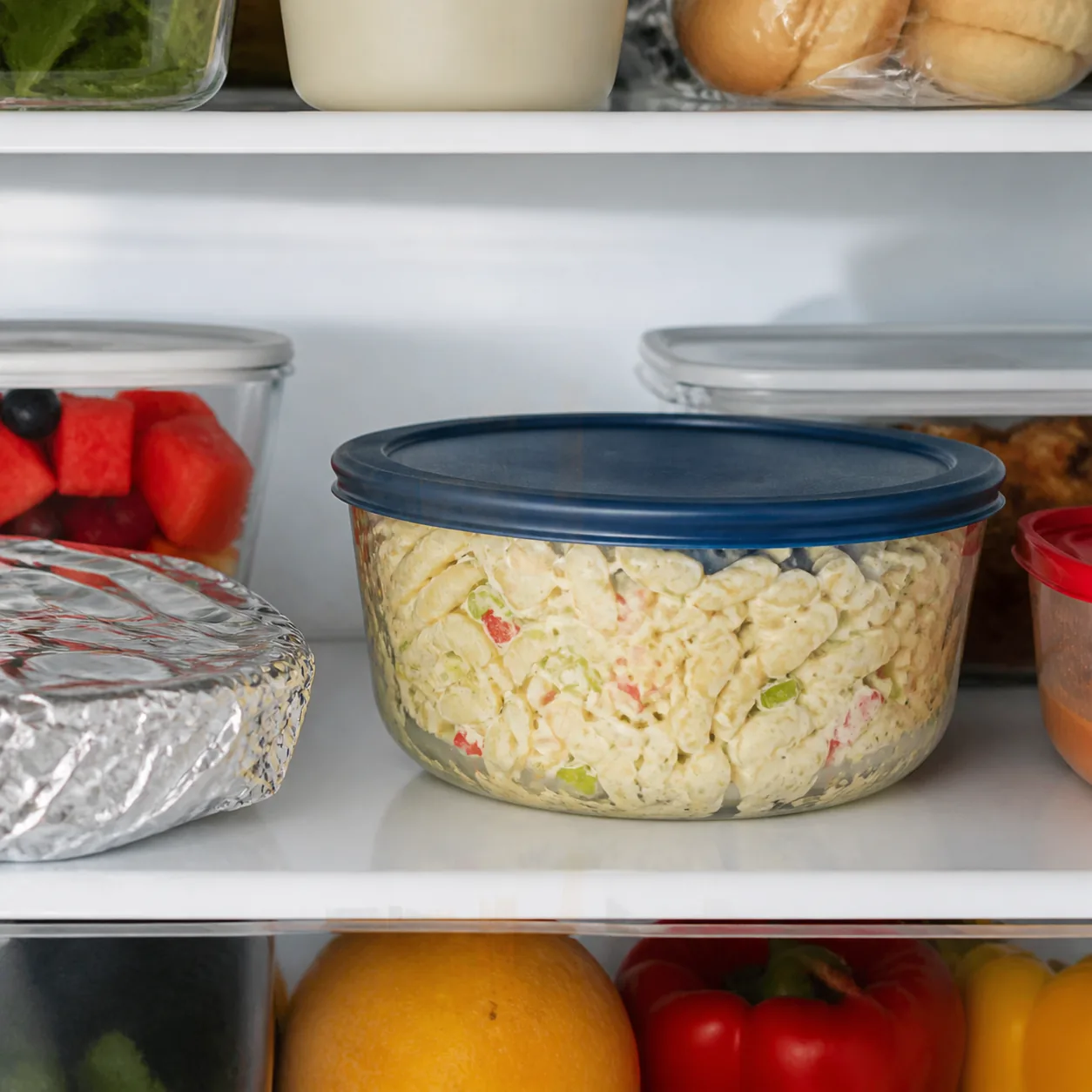
Pasta salad has too many moving parts.
Mayo, dairy, chopped vegetables, cooked pasta, and serving spoons all meet in one container.
That makes steady refrigeration more important, not less. The door is fine for the unopened dressing bottle. It is not the right place for the finished salad.
Picnic food should not live in the warmest corner.
7. Opened Baby Food
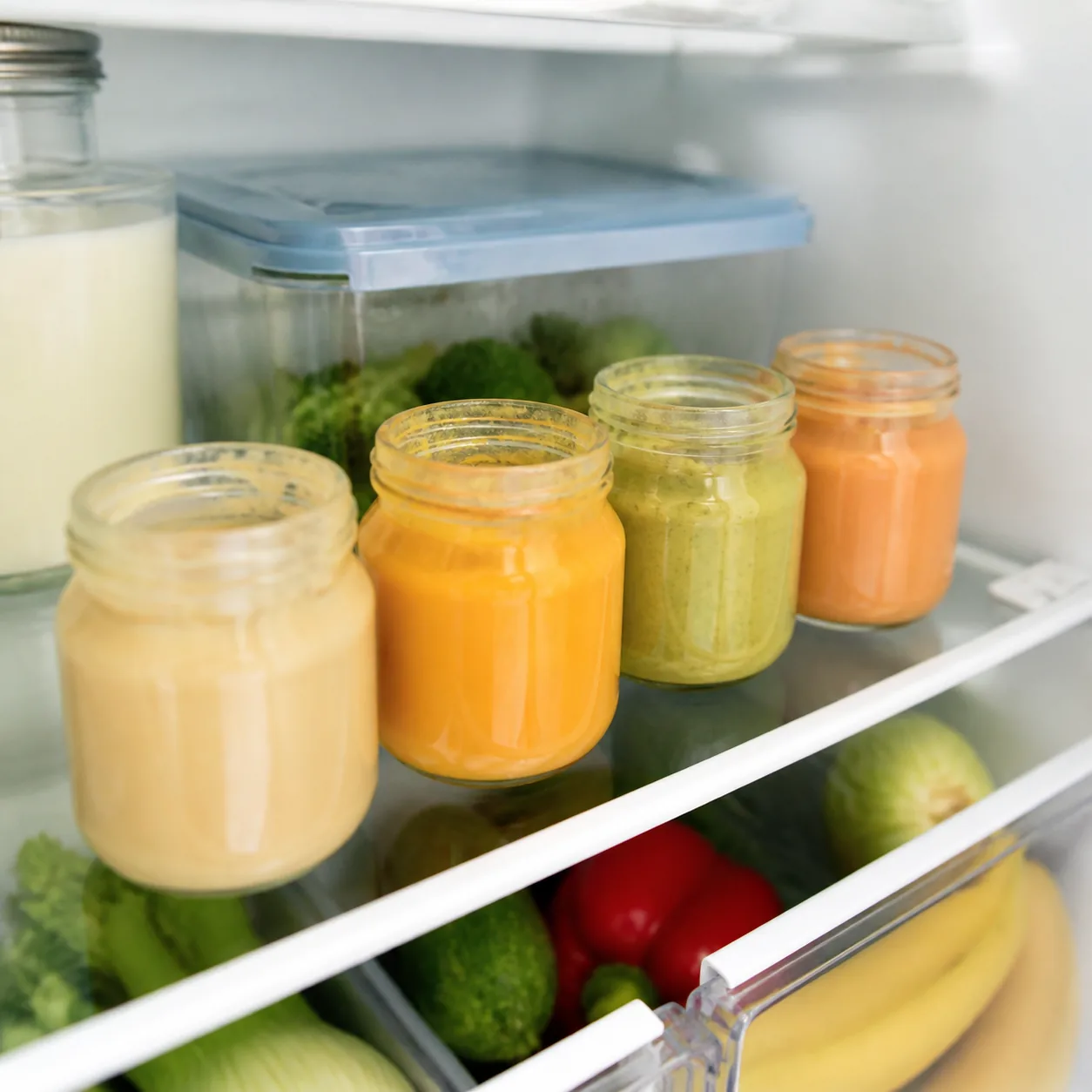
Opened baby food deserves the cautious shelf.
It is usually used in small amounts, then saved for later.
Once opened, it should be handled like a perishable food, especially if a spoon has touched it. Door storage adds warmth to something meant for the smallest person in the house.
This one is not worth gambling with.
6. Fresh Juice
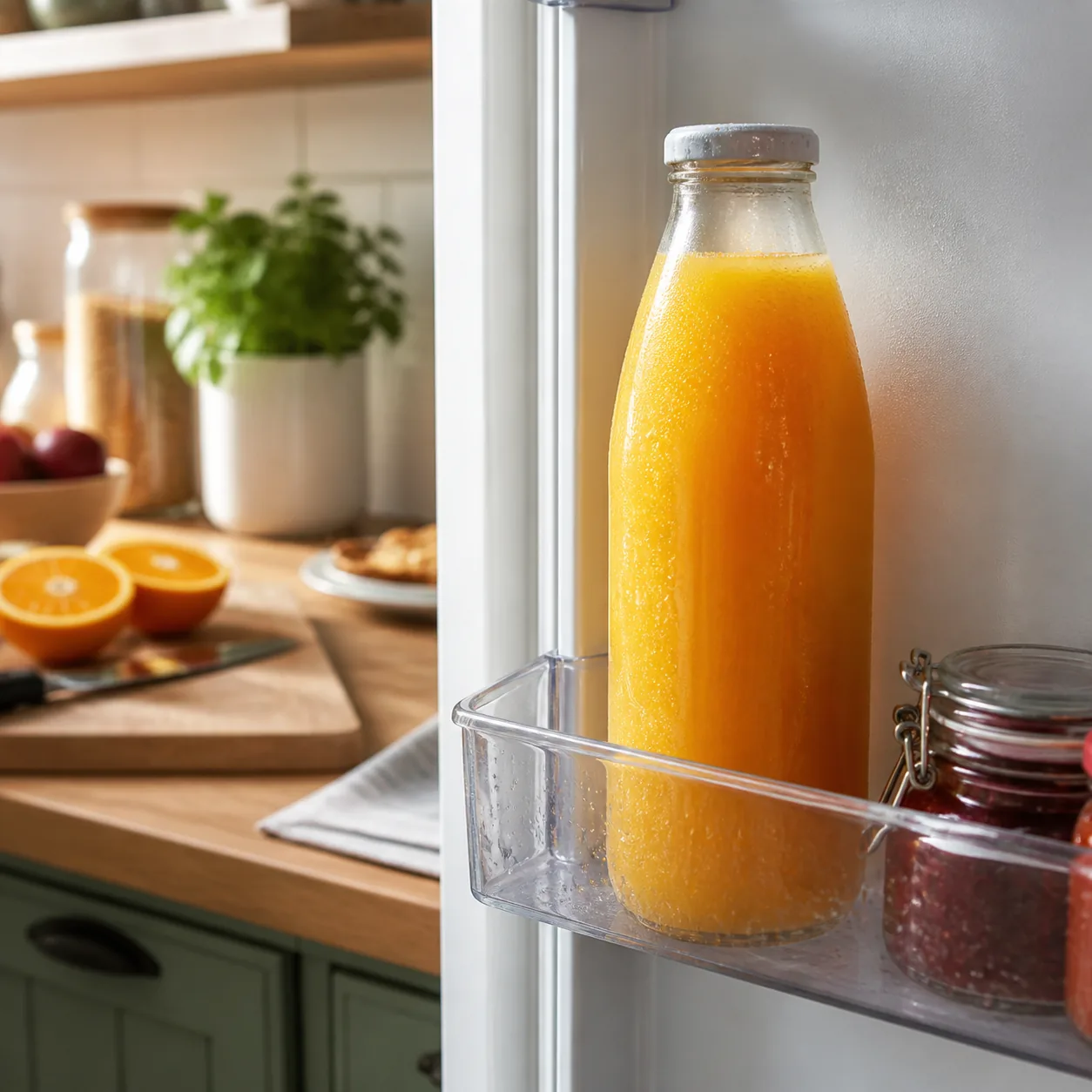
Fresh juice is not the same as shelf-stable juice.
Once opened, it can change quickly.
The flavor dulls, the smell shifts, and the bottle warms every time the door opens. Pasteurized juice is more forgiving than raw fresh juice, but both last better with steadier cold.
The door makes juice convenient. The back shelf keeps it fresher.
5. Cut Fruit
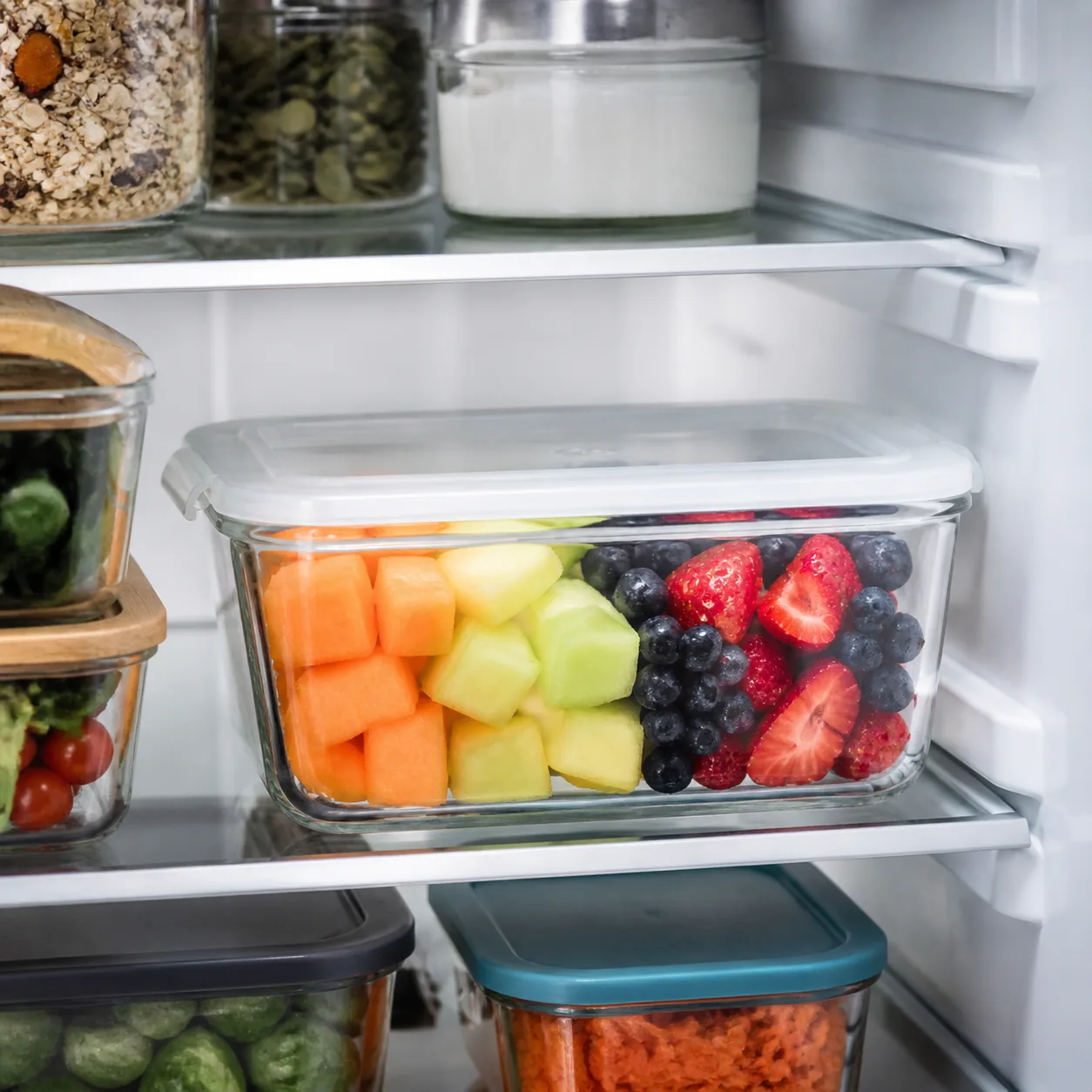
Whole fruit can be tough.
Cut fruit is not.
Once melon, berries, pineapple, or grapes are washed and cut, they become a ready-to-eat food with more exposed surface. The door warms them and shakes them every time someone looks for a drink.
That fruit cup needs a real shelf.
4. Hummus
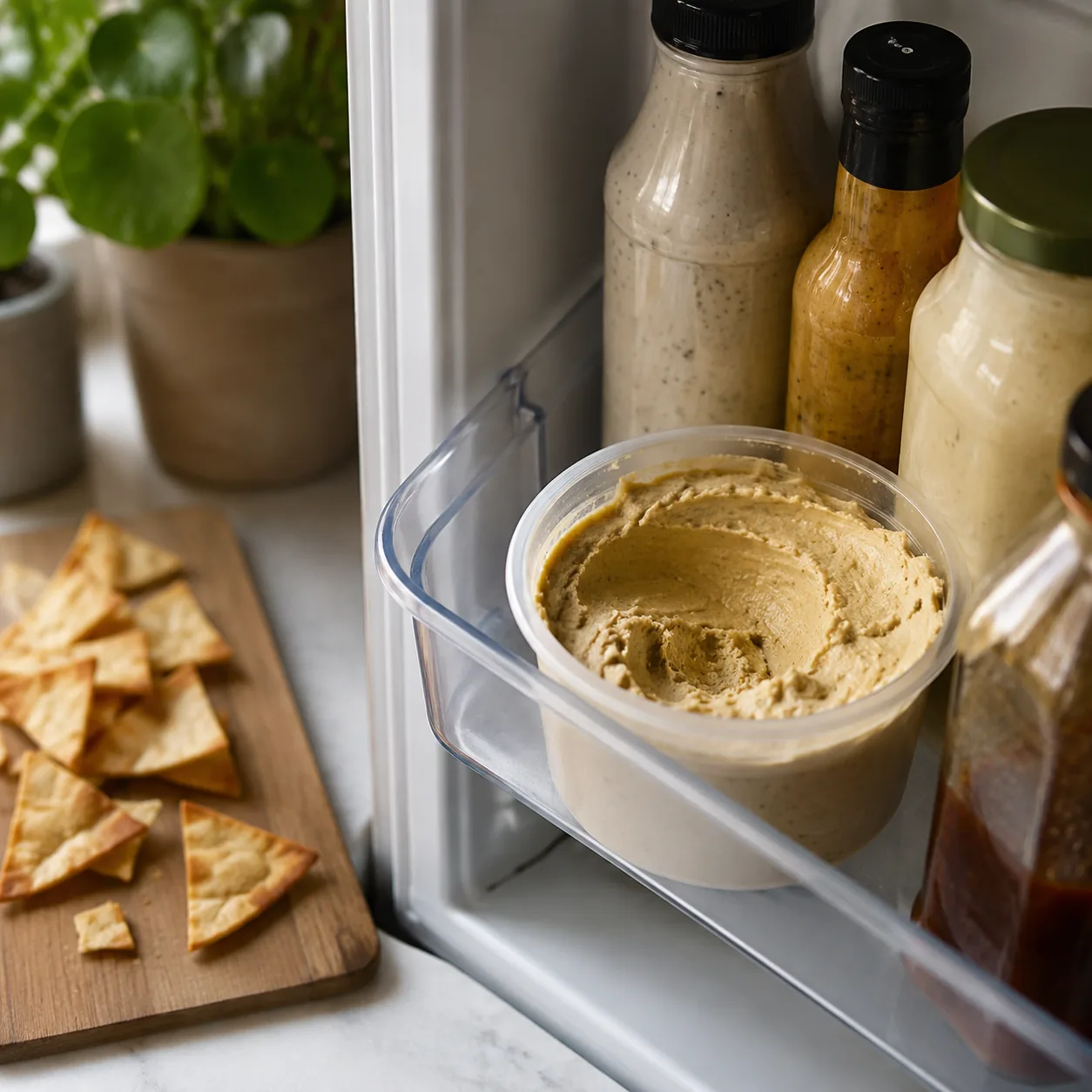
Hummus gets opened by optimists.
Then it sits for days while everyone says they will eat healthy tomorrow.
An opened tub keeps better with steady cold and a clean lid. In the door, it gets warmer, bumped around, and forgotten behind taller bottles.
Healthy snacks still need proper storage.
3. Pesto
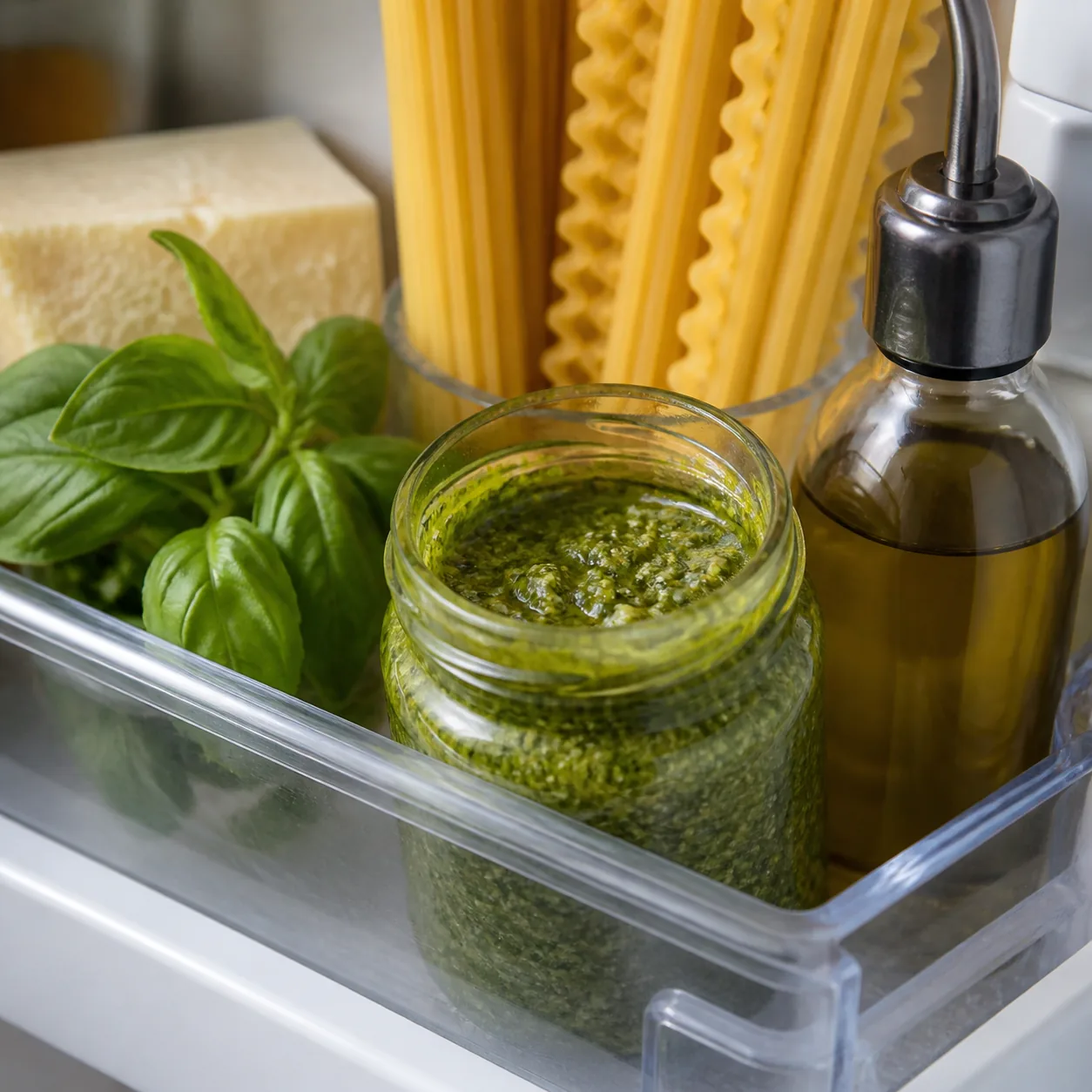
Pesto looks protected under that layer of oil.
Do not trust the shine too much.
Fresh pesto, especially homemade or refrigerated versions, can lose color, flavor, and freshness quickly after opening. The door is not the place for a tiny jar that already spoils quietly.
If it smells off, the pasta can survive without it.
2. Guacamole
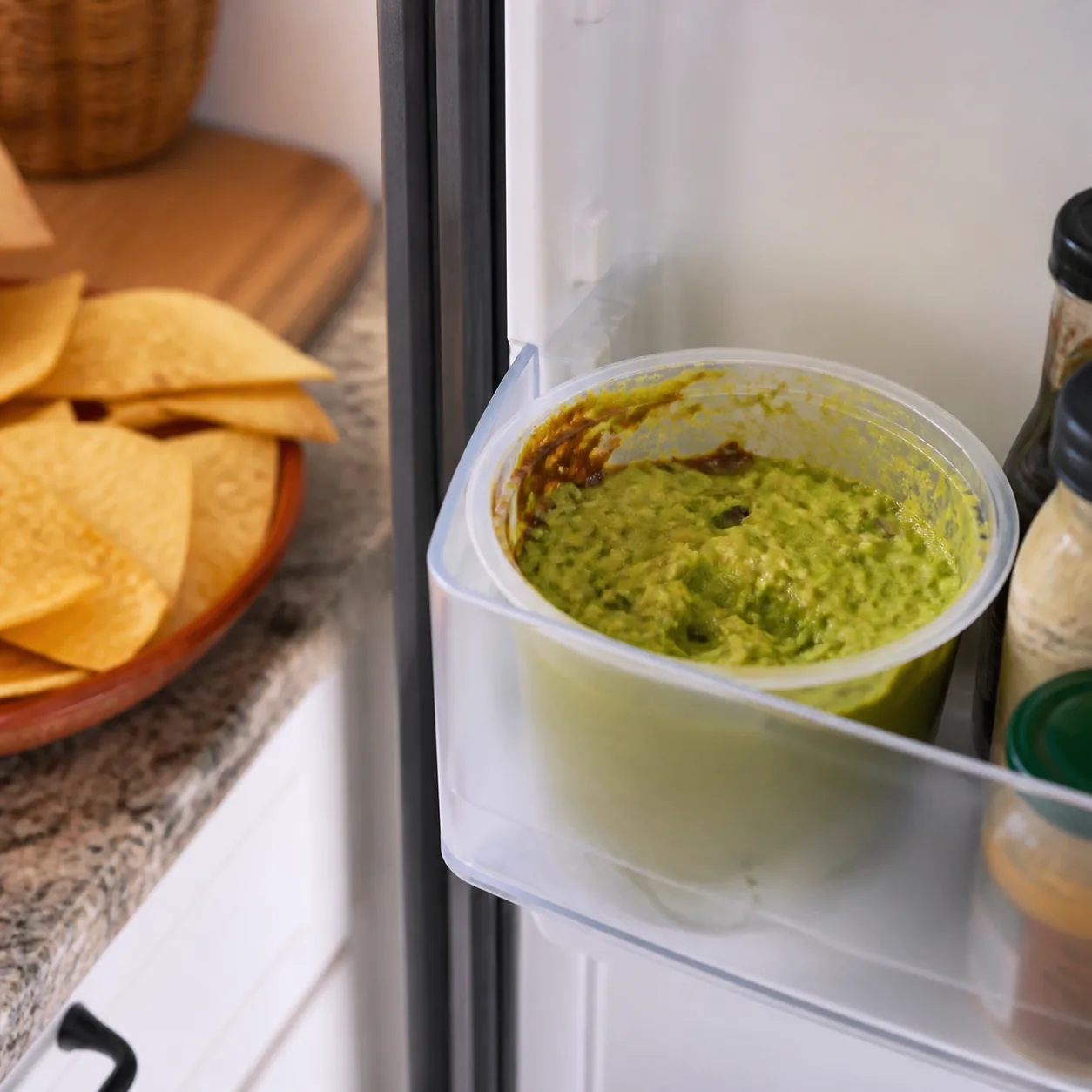
Guacamole barely needs help going bad.
The door gives it help anyway.
Warm air, oxygen, and a loose lid are the perfect recipe for brown edges and sad texture. It may not always be unsafe immediately, but it gets unappealing fast.
Guacamole is already dramatic. Do not give it the door.
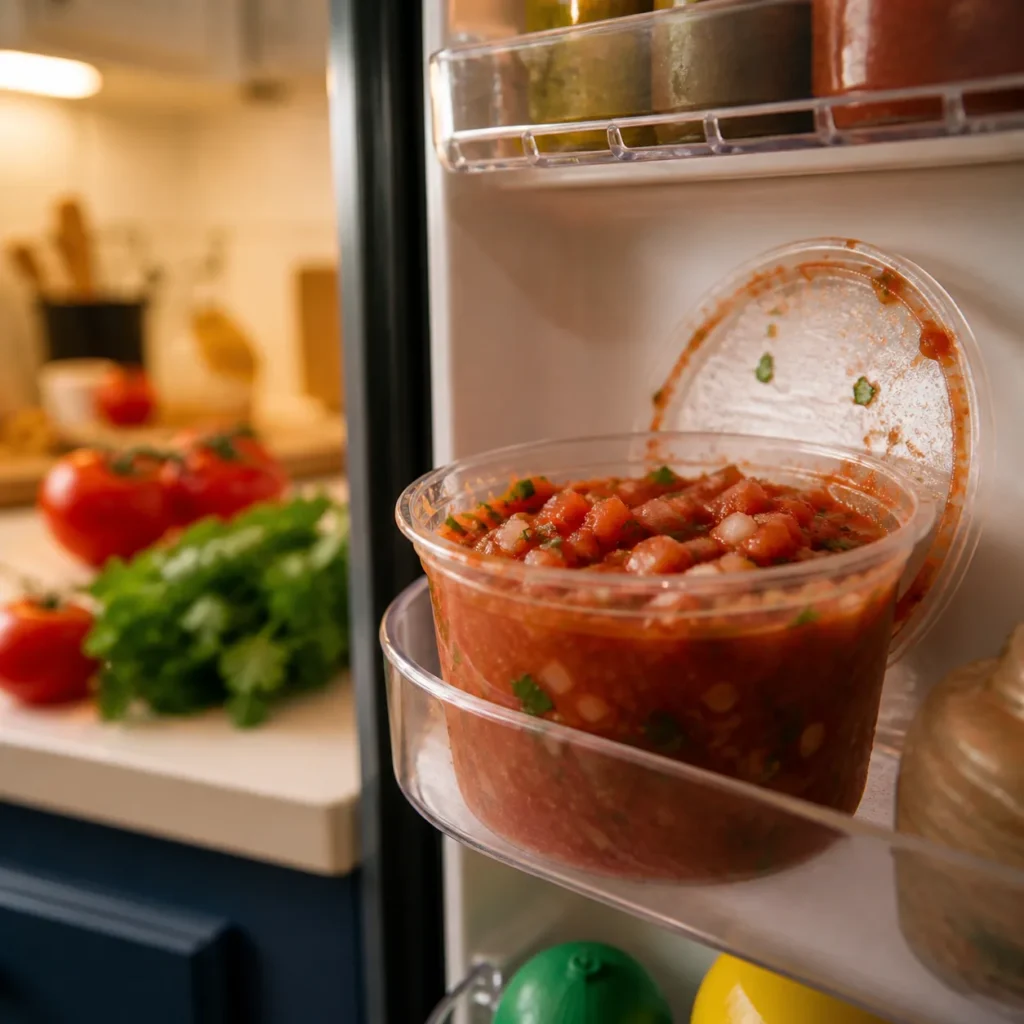
1. Fresh Salsa
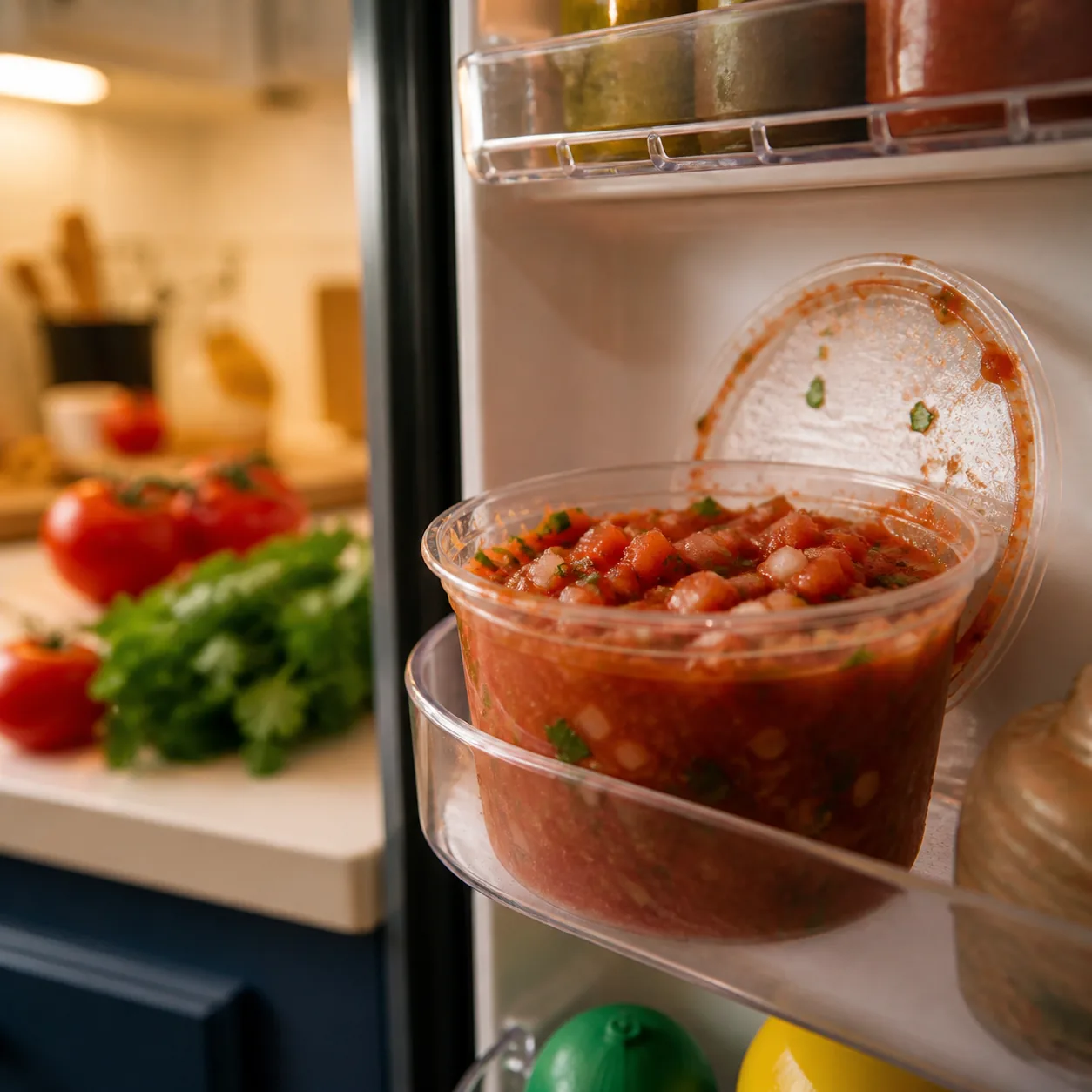
Fresh salsa is the one that tricks the most people.
Jarred shelf-stable salsa feels like a condiment. Fresh refrigerated salsa is closer to chopped produce in a tub.
Once opened, it has tomatoes, onions, herbs, liquid, and a spoon going in and out. The door can shorten the good window fast.
The bottle of hot sauce can stay in the door. The fresh salsa should move inside.
What Actually Belongs in the Fridge Door?
The fridge door is best for foods that tolerate temperature swings better.
Think ketchup, mustard, pickles, bottled sauces, soda, and sealed drinks.
Perishable foods need the main compartment, where the temperature stays steadier. Keep your refrigerator at 40°F or below, and use a fridge thermometer if you are not sure.
The door is convenient. The cold shelf is cheaper.